HUD Announces Treatment First Toolkit, Putting Harm Reduction on Notice
- Categories
- Drug Epidemic
In partnership with the Office of National Drug Control Policy (ONDCP) and the Department of Health and Human Services (HHS), the U.S. Department of Housing and Urban Development (HUD) announced the new “Best Practices Toolkit: Addressing Homelessness and Addiction Through Treatment First.”
This first-of-its-kind resource provides communities with practical and proven strategies to help Americans transition from homelessness and addiction to recovery and self-sufficiency.
This toolkit advances a “Treatment First” model that prioritizes coordinated and accountability-driven engagement in evidence-based treatment and recovery support services to ensure access to effective, comprehensive, and evidence-based care necessary for homeless individuals.
“It’s a policy change many of us who have spent time on the frontlines serving the homeless have been arguing for,” Senior Fellow Michele Steeb recently told NTD News.
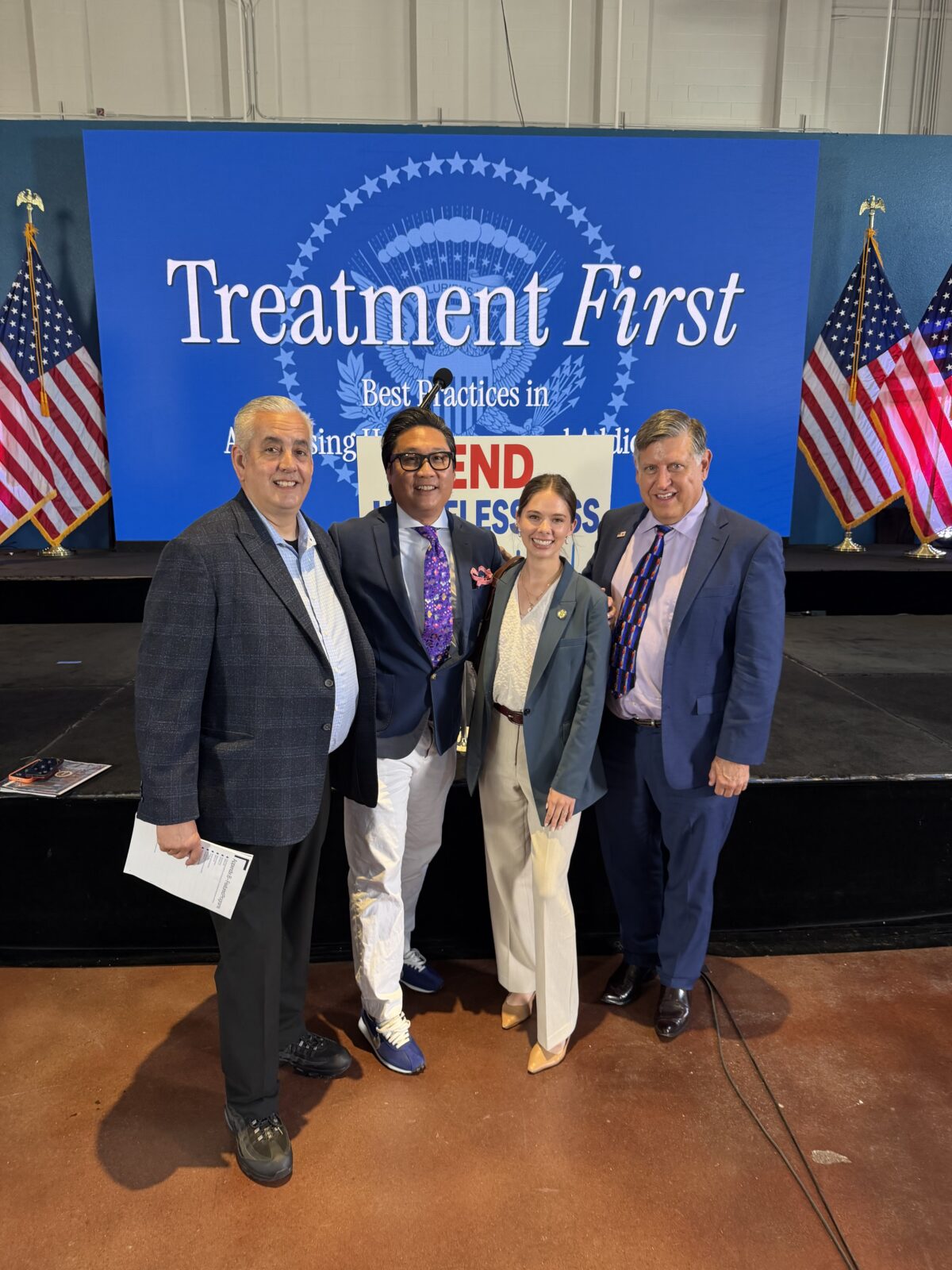
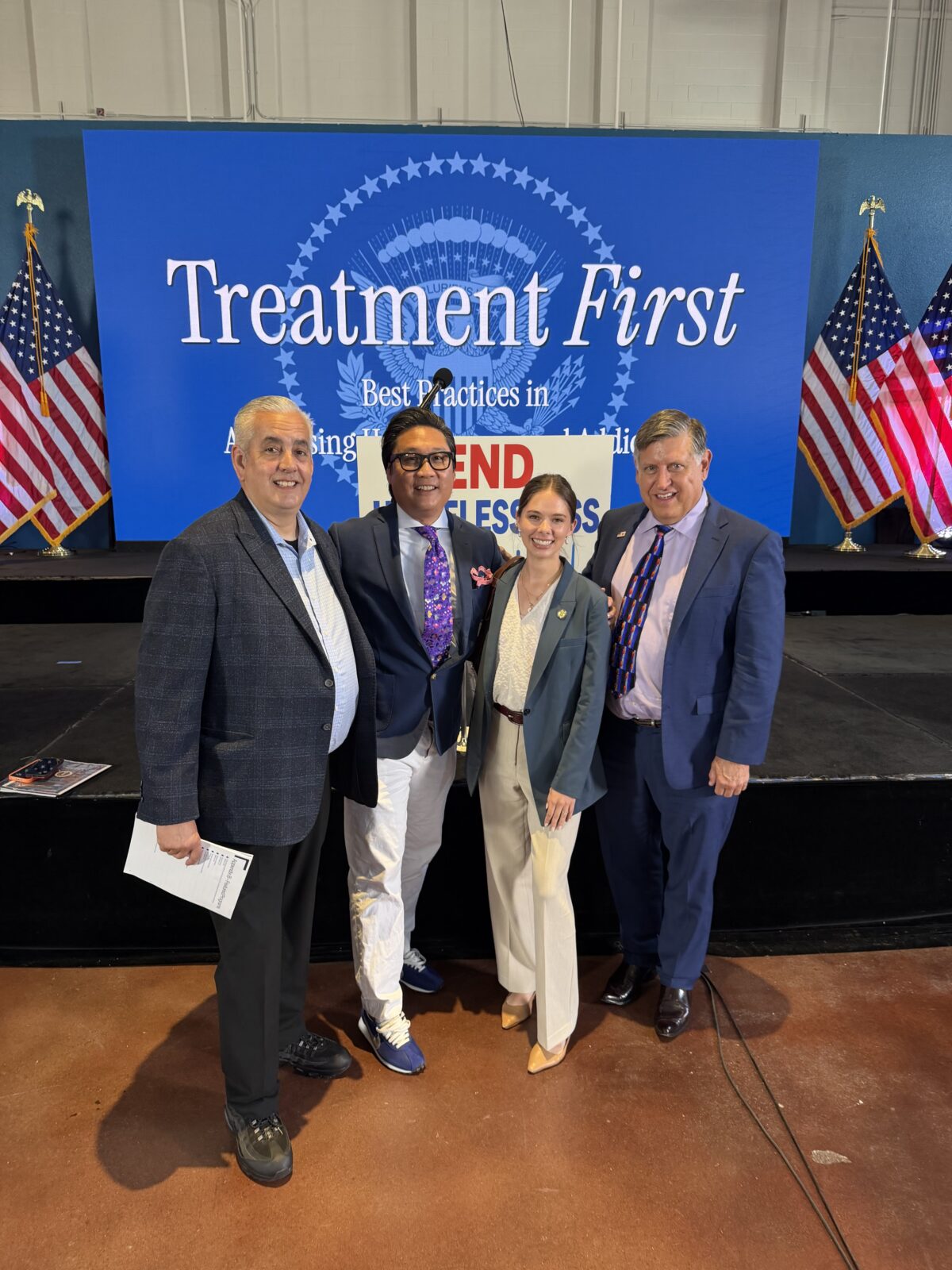
Senior Fellows Tom Wolf and Jonathan Choe were present representing Discovery Institute’s Fix Homelessness initiative.
Harm reduction is an approach to public health that seeks to reduce the negative effects of drug addiction by providing clean supplies. It is a key feature in many public health systems nationwide, including those with the largest populations of homelessness, like Seattle and Los Angeles.
But when does looking out for someone’s safety become enabling destructive behavior?
What harm reduction looks like in practice is free handouts of drug paraphernalia — meth pipes, foil, syringes and injection equipment, and various other materials that facilitate the easy use of drugs. Instead of prioritizing recovery, the status quo across the nation has become abandoning the addicted to their drug of choice.
By changing this approach and providing cities with a new and improved tool bag that prioritizes treatment and recovery, the federal government is changing the tide toward a better future for the entire nation.
Check out our investigations on harm reduction: