Fix Homelessness How to rebuild human lives
Category

Mental Illness

homeless-person-passed-out-on-sidewalk-Kevin-Dahlgren
Image courtesy of Kevin Dahlgren

When Ideology Overrules Common Sense

For years, the political left has controlled the conversation around homelessness, addiction, and mental illness in most major West Coast cities. They control the nonprofits. They control the bureaucracies. They control the county commissions, the grant systems, the academic language, and most of the policy decisions. And yet the crisis keeps getting worse. That should tell us something. At some point, we have to stop judging these policies by their intentions and start judging them by their results. Because no matter how compassionate the language sounds, the outcome is obvious to anyone willing to walk the streets: more tents, more overdoses, more untreated mental illness, more open-air drug use, more crime, more suffering, and more people slowly dying in public. Read More ›


Screenshot-2026-05-08-101823

Seattle Mayor Accused of Pushing Homeless Drug Addicts Out of Downtown Ahead of FIFA World Cup

Jonathan Choe and Brandi Kruse give an inside look into the open-air drug use, mental illness, and sale of drugs/stolen goods plaguing downtown Seattle streets and parks — problems city leaders now appear eager to move out of sight before hundreds of thousands of visitors arrive. An estimated ~750,000 people are expected to visit Seattle during the FIFA World Cup beginning in June 2026. In preparation, Seattle Mayor Katie Wilson is accused of pushing homeless encampments and activity out of the downtown core and into surrounding areas. Former Mayor Bruce Harrell faced criticism for similar tactics, including downtown sweeps and distributing visitor maps highlighting “safe” routes for tourists to avoid areas overwhelmed by homelessness, drug use, and crime.

Screenshot-2026-04-21-114914

Homeless Woman Found Living in Trash-Filled Box Truck for Years

No One Should Be Living This Way A homeless woman living in a trash filled box truck was rescued in Seattle’s Ballard neighborhood. Outreach group We Heart Seattle forced the city to intervene, exposing this biohazard in the community. This shocking scene also spotlights King County’s broken affordable housing network. Critics say it prioritizes chronically homeless drug addicts over people who seek clean and sober housing.

Photo-Apr-13-2023-10-17-58-AM
Photo courtesy of Kevin Dahlgren

Why Housing First Isn’t the Answer to Seattle’s Homelessness Crisis

I’ve spent years working directly with Seattle’s homeless population, not studying them from university offices, or analyzing data sets from a comfortable distance, but on the streets, in the encampments, doing street-level engagement and intervention. When I read yet another opinion piece (“Homelessness in Seattle: We can’t unsee it.” Dec. 28, 2025) attributing our homelessness crisis primarily to housing costs, I have to ask: Are we really going to continue trusting consultants and researchers over what our own eyes tell us?

The December piece by Walter Hatch follows a familiar pattern in academia: Start with a conclusion, in this case, that “it’s a housing problem,” then find data to support it. However, those of us working on the ground are aware of a critical fact that these analyses consistently overlook: There’s a fundamental distinction between the “crisis population” living in visible squalor on our streets and individuals who are the working poor — couch-surfing, living with family or struggling with roommates to afford rent.

We cannot conflate these populations. They are not the same.

Read More ›
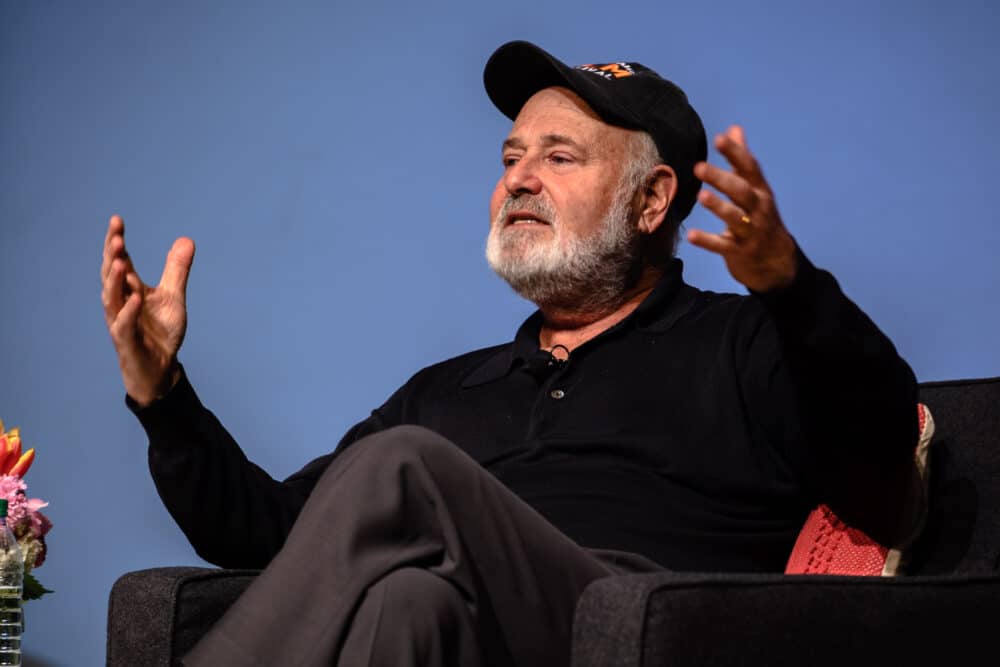
RobReiner26690767322WikimediaCommons
Image by Montclair Film at Wikimedia Commons: https://commons.wikimedia.org/wiki/File:Rob_Reiner_(26690767322).jpg

Tragic Tales Demand Reform

Across America’s streets, the homeless epidemic is claiming lives, fracturing families, and eroding public safety. Often deeply intertwined with mental illness and addiction, it has become a humanitarian crisis that traps vulnerable individuals in cycles of dependence and despair while destabilizing the communities around them. This crisis has been worsened by policies that elevate the notion of “freedom” over timely, life-saving intervention. Recent events make the consequences of that choice unmistakably clear. Continuing on the current path is neither humane nor responsible. Consider what unfolded in New York City over the holidays. A woman with a documented history of serious mental illness and homelessness was released from psychiatric care, only to purchase a knife hours later, then repeatedly stab a Read More ›

Fox-and-Friends-Brian-Kilmeade-Sept-15
Image from Fox News YouTube video: https://www.youtube.com/watch?v=OoCGyxR9i3c&list=PLlTLHnxSVuIycbO7uttsCrmOUpDNFuTbf&index=2

Awful: Kilmeade Says “Just Kill” Mentally Ill Homeless Who Refuse Help

The following was originally written by Wesley J. Smith, Chair and Senior Fellow of Discovery Institute’s Center on Human Exceptionalism. Discovery Institute’s Fix Homelessness team condemns the statements made by Fox News’ Brian Kilmeade, and endorses the following condemnation by Smith. Homelessness is a crisis in our major cities. But we have to always remember that people who are homeless have equal intrinsic dignity as all other human beings. That is why I was appalled that — in a recent discussion about the atrocious murder of Iryna Zarutska by a mentally ill homeless man — Fox News personality Brian Kilmeade said that if the mentally ill homeless don’t accept hospitalization, they should be, well, killed. Yes. He actually said that. Read More ›

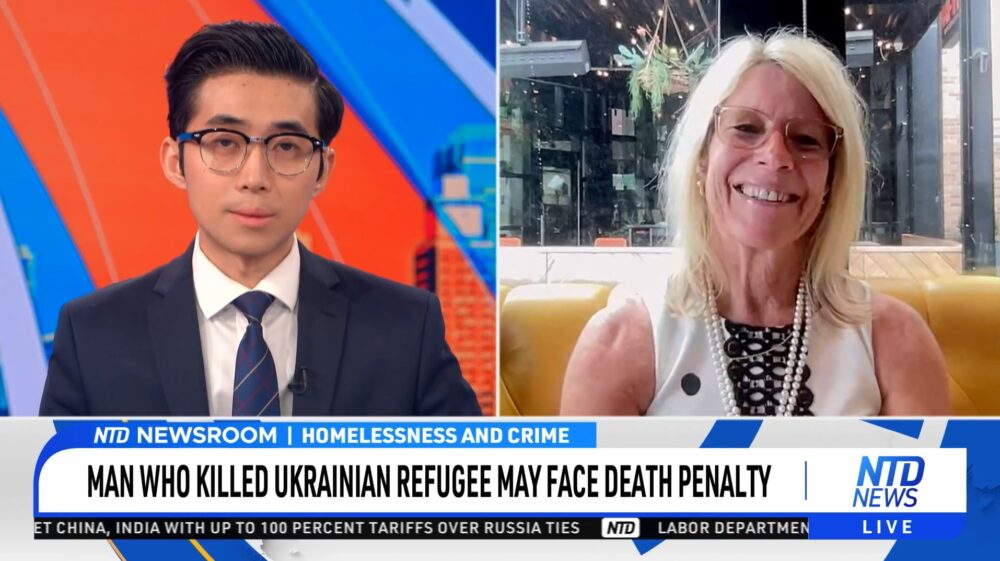
Michele-Steeb-NTD-Sept-10

Michele Steeb Talks with NTD News About Killing of Ukrainian Refugee

Michele Steeb appeared on NTD News and spoke with host Don Ma about the recent tragic killing of Ukrainian refugee Iryna Zarutska. Steeb addresses the relationship between homelessness, mental illness, and crime, and explains why housing subsidies do not fix these issues. Steeb speaks from her experience running a Northern California program for homeless women and children.

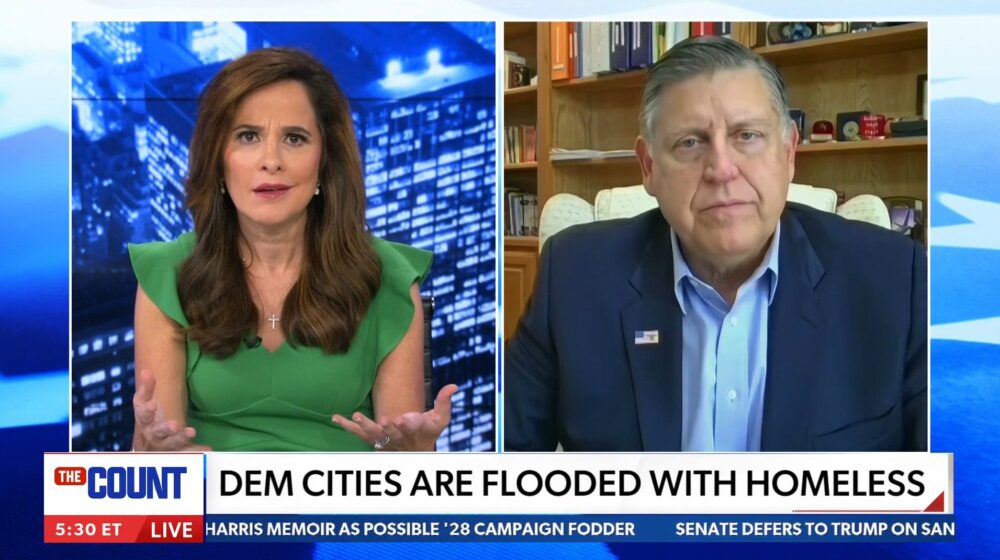
Robert-Marbut-Newsmax-screenshot

Dr. Marbut to Newsmax: Trump EO Makes It Hard to Get High, Easy to Get Treatment

Dr. Robert Marbut, a former federal homelessness official, said on Newsmax Saturday that President Donald Trump’s new executive order marks a turning point by reversing policies in Democrat-led cities that he believes have enabled drug use while neglecting treatment. Marbut, former executive director of the U.S. Interagency Council on Homelessness, voiced strong support for President Donald Trump’s July 24 executive order targeting homelessness, addiction, and public disorder. Appearing on “The Count,” Marbut said the order is a needed correction to policies in many Democrat-controlled cities, which he claims have made it “easy to get high and hard to get treatment.” “What President Trump’s executive order does it start to make it easy to get treatment and hard to get high,” Read More ›

Man-on-bus-on-fentanyl

King County Metro: Ride At Your Own Risk

Latest Incident Why would anyone want to take a King County Metro bus in Seattle? Riders say they have to share space with homeless fentanyl addicts and the mentally ill. Here is the latest incident where this fella went on a profanity laced bender, bashing his head into the window several times. He’s apparently a regular on the E and H lines. Even after numerous complaints about public safety, riders say the agency only responds with robo emails. In other words, ride at your own risk.

homeless-man-wearing-a-sleeping-bag-stockpack-adobe-stock-720925562-stockpack-adobestock
Homeless Man Wearing a Sleeping Bag
Image Credit: Ryan - Adobe Stock

Reforms to Involuntary Commitment Law Can Save Lives

[Editor’s Note: This article was amended on July 23, 2025, to include information about Ricky’s Law.] In its 2026 state budget, New York is putting a concerted effort behind addressing severe mental illness by expanding its involuntary hospitalization law and increasing the number of psychiatric beds. Kendra’s Law, which allows the involuntary hospitalization of those with a mental illness who pose a threat to themselves or others, will now also allow the hospitalization of those who are unable to care for themselves because of their mental illness. Washington state would do well to follow New York’s example. In Washington state, involuntary hospitalizations are handled by designated crisis responders (DCRs) under the state’s Involuntary Treatment Act. DCRs determine whether the individual Read More ›