Fix Homelessness How to rebuild human lives
Author

Michele Steeb

the-statistical-gimmicks-hiding-americas-homelessness-crisis
Photo courtesy of Kevin Dahlgren

The Statistical Gimmicks Hiding America’s Homelessness Crisis

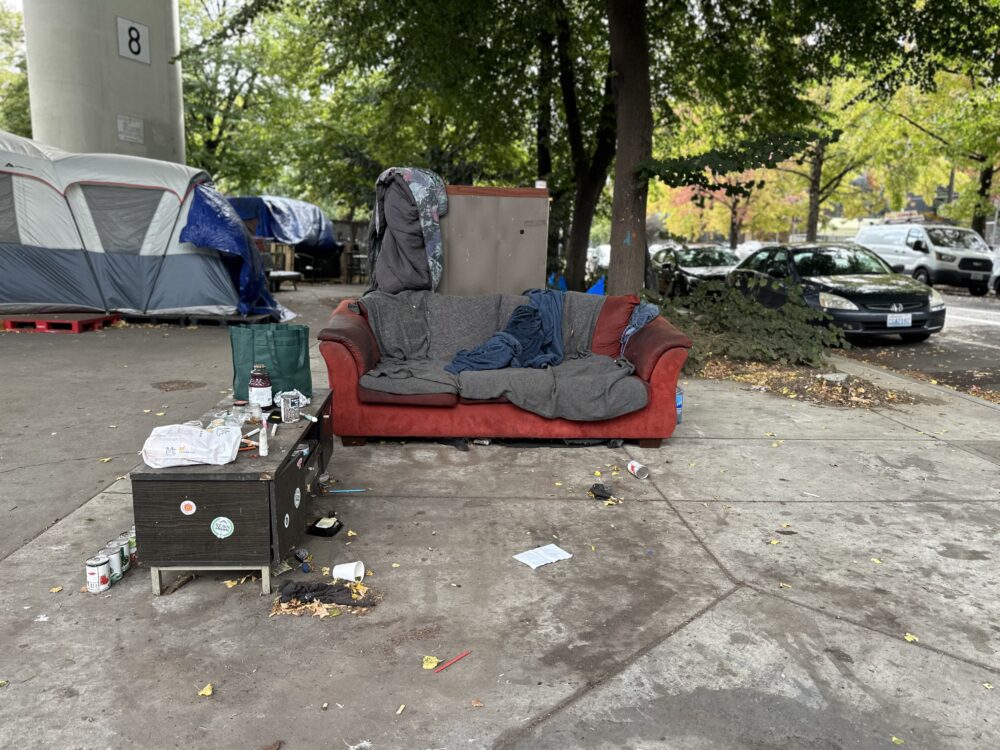
The official U.S. Department of Housing and Urban Development homelessness count is 746,000 people. But the real number is closer to 1.5 million. Why the discrepancy? Because for over a decade, HUD has been employing clever gimmicks that exclude hundreds of thousands of people experiencing homelessness from their numbers. Now, HUD is changing course with meaningful reforms. Senior Fellow Michele Steeb explains.

HUD-Reforms-Put-Lives-Ahead-of-Bureaucracy-Kevin-Dahlgren-image
Photo courtesy of Kevin Dahlgren

HUD’s Homelessness Reforms Put Human Lives Ahead of Housing Bureaucracy

On Sept. 16, the First Circuit Court of Appeals cleared the way for the Department of Housing and Urban Development (HUD) to move forward with desperately needed reforms to the nation’s homelessness system. After months of litigation by the Homeless Industrial Complex to repeatedly block these reforms, the decision allows HUD to redefine success and fund the programs that generate the greatest success in moving the homeless toward recovery, restoration and self-sufficiency. And not a moment too soon. For more than a decade, federal homelessness policy has centered heavily on permanent housing placement, while the measures used to define and count homelessness have often obscured important differences between who is counted as homeless and who is being served through homelessness Read More ›

We're-Ignoring-the-Cause-of-Homelessness-Steeb-article-Dahlgren-photo
Photo courtesy of Kevin Dahlgren

We’re Ignoring the Cause of Homelessness, and How to Solve It

Owning a home, or at least having one, has long been considered an essential part of the American dream. But what if Americans judged success not by whether people had housing, but by whether they discovered — or rediscovered — who they were created to become? Imagine the hundreds of thousands of people who could be strengthening cities like New York, Seattle, and Los Angeles had local leaders invested in systems designed to restore lives and cultivate human flourishing, rather than embracing the federal government’s Housing First approach adopted in 2013. Housing First made housing placement the primary intervention and measure of success, while removing expectations for treatment, sobriety, employment or progress toward self-sufficiency. In doing so, it too often Read More ›

michele-steeb-ntd-news-august-2026

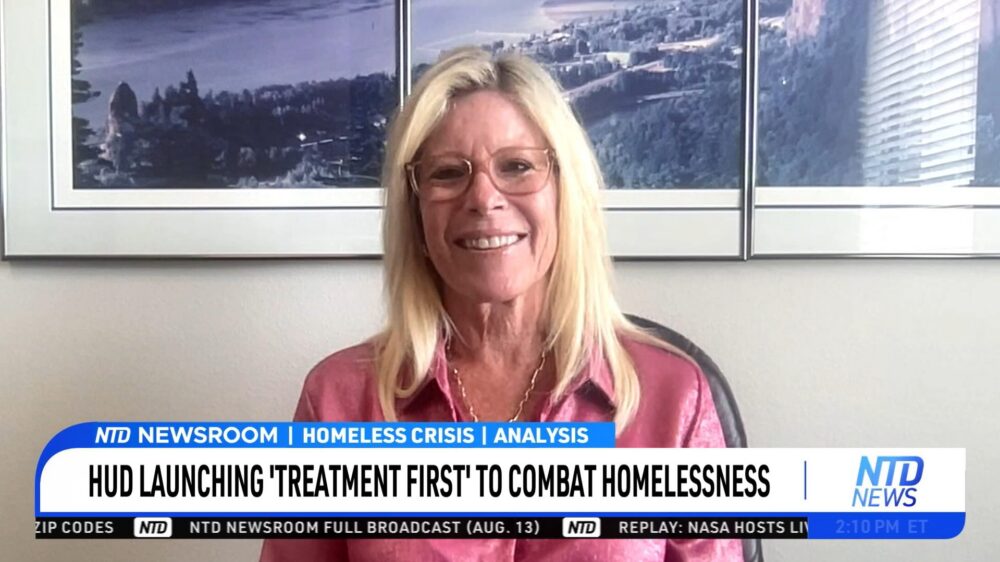
Michele Steeb Talks HUD’s Treatment First Toolkit on NTD Newsroom

Senior Fellow Michele Steeb appeared on NTD Newsroom to discuss the U.S. Department of Housing and Urban Development’s new Treatment First Toolkit. On August 12, HUD released “Best Practices Toolkit: Addressing Homelessness and Addiction through ‘Treatment First.’” The Toolkit addresses the insufficiencies of Housing First to address the problems faced by a large population of the homeless who suffer from an addiction: A “Treatment First” model prioritizes coordinated and accountability-driven engagement in evidence-based treatment and recovery support services, to ensure access to the comprehensive and coordinated care necessary for homeless individuals with addiction to achieve and sustain self-sufficiency. “It’s a policy change many of us who have spent time on the frontlines serving the homeless have been arguing for,” Steeb Read More ›

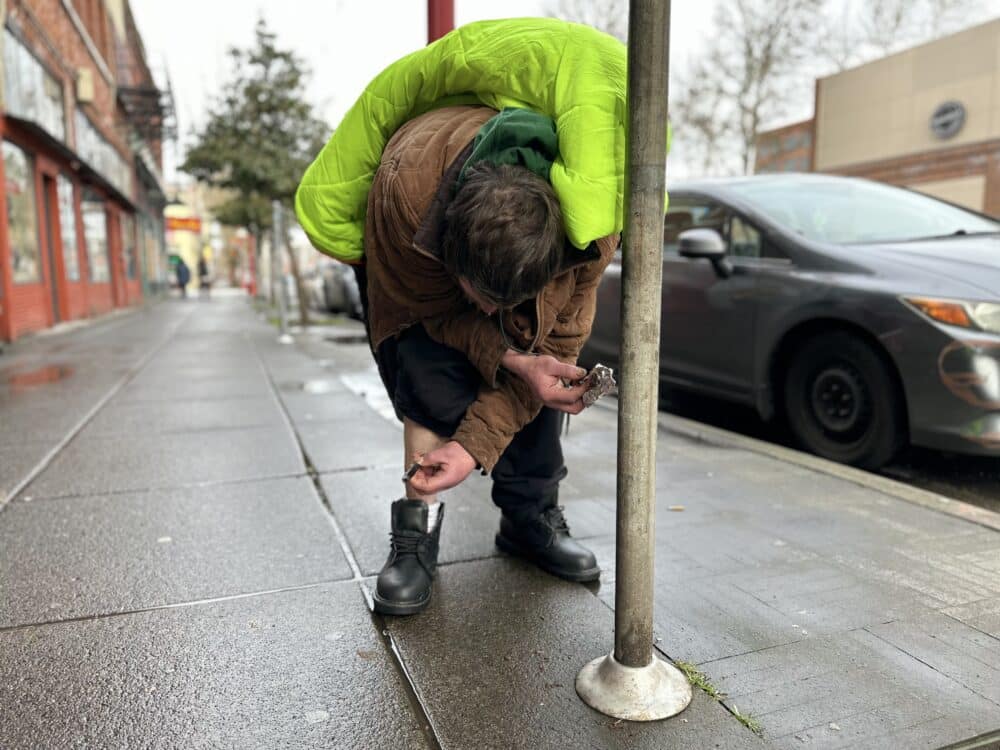
Photo-Feb-18-2024-12-40-24-PM
Photo courtesy of Kevin Dahlgren

America’s Homelessness System Must Pursue Self-Sufficiency, Not Simply Housing

For more than a decade, America’s homelessness system has largely measured success by a single metric: whether someone is housed. In the process, what should have been a milestone on the journey to self-sufficiency became the destination itself. Housing is important, but making it the finish line set the bar devastatingly low for both the system and the people it serves. We now routinely confuse housing placement with transformation and occupancy with human flourishing. As a result, too many people remain trapped in addiction, untreated mental illness, dependency, and isolation, yet are counted as successes because the system measures where they sleep rather than whether they are healing, rebuilding, and moving toward self-sufficiency. This was never what most Americans envisioned Read More ›

loss-of-money-bad-investment-or-investment-cash-dollars-are-302224167-stockpack-adobestock
Loss of money. Bad investment or investment. Cash dollars are flushed into the toilet
Image Credit: adragan - Adobe Stock

Homekey Audit Exposes California’s Real Homelessness Crisis: Failed Governance

California lawmakers blocked legislation requiring a comprehensive audit of the state’s multibillion-dollar Homekey program. Fortunately, a nonprofit news site undertook the very investigation state leaders refused to demand. The newly-released findings sharply undercut Gov. Gavin Newsom’s repeated claims that his pandemic-era Homekey program has been a “phenomenal success.” Built on roughly 250 projects and more than 100 public-records requests, the two-year investigation exposed a familiar pattern in Newsom’s governance style: massive spending, glowing political rhetoric, weak oversight, and deeply underwhelming results. In a state already plagued by oversight failures involving Medicaid, hospice care, in-home supportive services, and homelessness spending itself, the revelations were troubling, though hardly surprising. California spent $3.8 billion to rapidly convert hotels, motels, offices, and other properties Read More ›

homeless-encampment-along-the-wooded-banks-of-the-sacramento-1875912462-stockpack-adobestock
homeless encampment along the wooded banks of the Sacramento River
Image Credit: Cam - Adobe Stock

Housing First Is a Disaster. I Saw Sacramento’s Homeless Chaos Firsthand

America’s homelessness crisis is routinely framed as a housing crisis. It is not. It is a crisis born from the collapse of accountability at every level of the system. Nowhere are the consequences of that collapse more visible than in California — and especially in its capital city, Sacramento. In 2016, California became the only state in the nation to formally adopt the federal government’s Housing First mandate as its sole taxpayer-funded approach to homelessness, directing billions in state and federal dollars toward subsidized-for-life apartments with no accountability for sobriety, treatment, or work — ever. Sacramento County followed in 2017, embracing the housing-only model, despite repeated warnings from frontline providers that housing alone would never adequately address the addiction, mental Read More ›

clochard-with-dog-stockpack-adobe-stock-123852992-stockpack-adobestock
Clochard with dog
Image Credit: stavrida - Adobe Stock

Where Is the Outrage? The Double Standard No One Wants to Admit

When environmental destruction, abuse, violence, and public disorder emerge from homeless encampments, many of America’s most vocal advocacy organizations suddenly fall silent. Recently, a major stretch of Interstate 110 in Los Angeles was shut down for nearly 24 hours after a fire erupted inside a homeless encampment beneath the freeway. As emergency crews battled the blaze and cleared the aftermath, the broader impact came into sharp focus: mountains of debris and trash removed, emergency personnel diverted from other critical duties, millions of gallons of water consumed, commuters stranded across one of the nation’s busiest urban corridors, and concerns raised about potential damage to public infrastructure. Thankfully, no fatalities were reported. But the broader implications were impossible to ignore. This was Read More ›

Screenshot-2026-05-05-150855

Michele Steeb Calls for “All Hands on Deck” Approach to Homelessness on The Steve Gruber Show

Michele Steeb appeared on The Steve Gruber Show on May 5 to discuss our current homelessness crisis. She explained why Housing First has failed to address the crisis, why the crisis is especially bad in California, the bill that could have begun to turn things around, but that Governor Gavin Newsom vetoed, and more.

simple-silhouette-of-a-church-building-with-a-cross-on-top-c-812545218-stockpack-adobestock
Simple silhouette of a church building with a cross on top, conveying the essence of Christian worship
Image Credit: KerXing - Adobe Stock

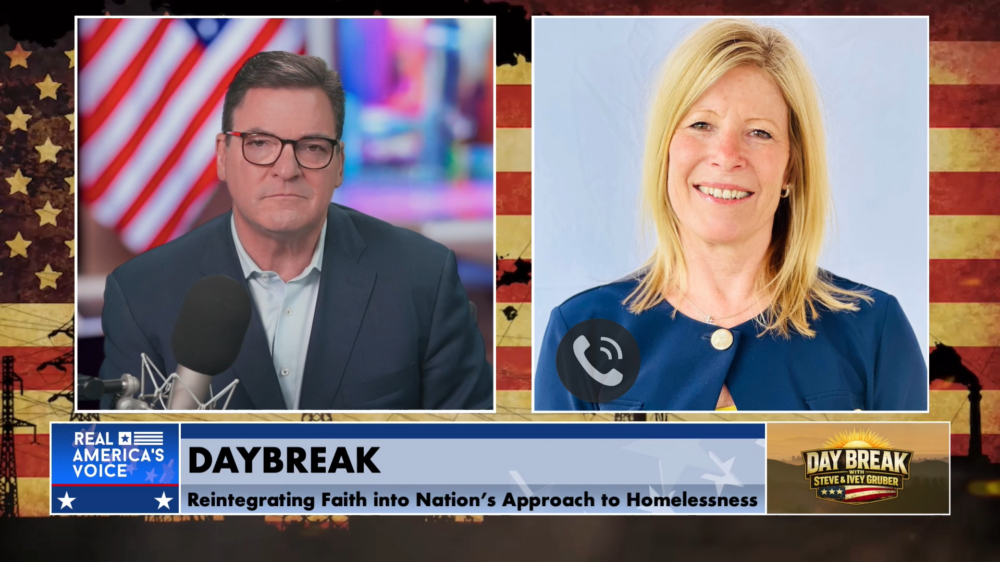
Reintegrating Faith Into the Nation’s Approach to Homelessness

For more than a century, America’s response to homelessness was rooted in faith. Churches, rescue missions, Catholic Charities, and the Salvation Army fed the hungry, sheltered the vulnerable, and most importantly, walked alongside them toward restoration. They innately understood a fundamental truth: Homelessness is a human transformation challenge requiring recovery, accountability, and the restoration of purpose. Over the past decade, however, policymakers were increasingly steered toward a different conclusion. A one-size-fits-all approach was supposed to end homelessness and simplify it — housing as the solution, housing placement as the sole metric, and a uniform approach applied everywhere. For policymakers drawn to ease, the appeal was obvious. But in embracing simplicity, the system ignored human complexity. Faith-based organizations began to be Read More ›