Fix Homelessness How to rebuild human lives
Category

Housing

the-tragic-results-of-drug-tolerant-housing

The Tragic Results of Drug-Tolerant Housing

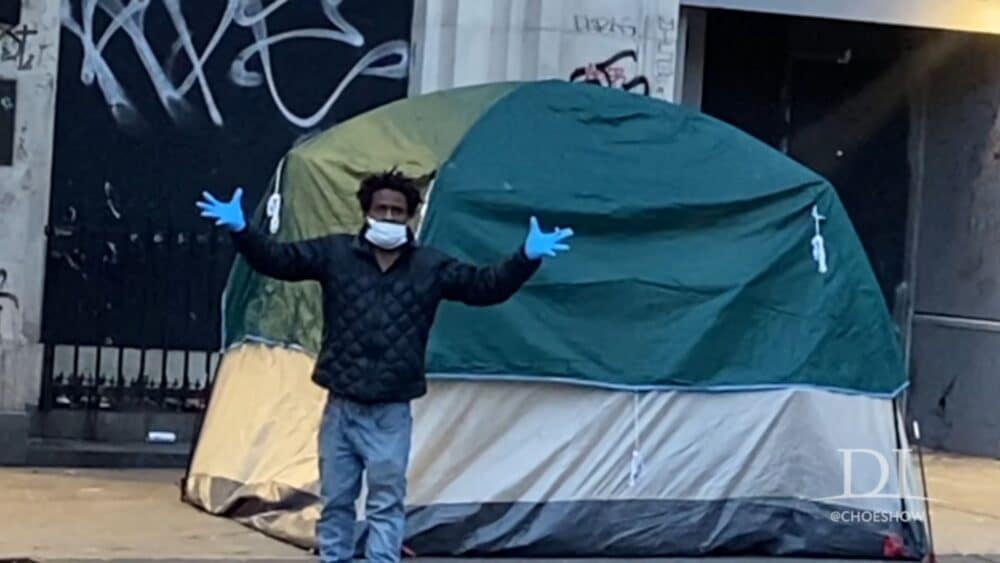
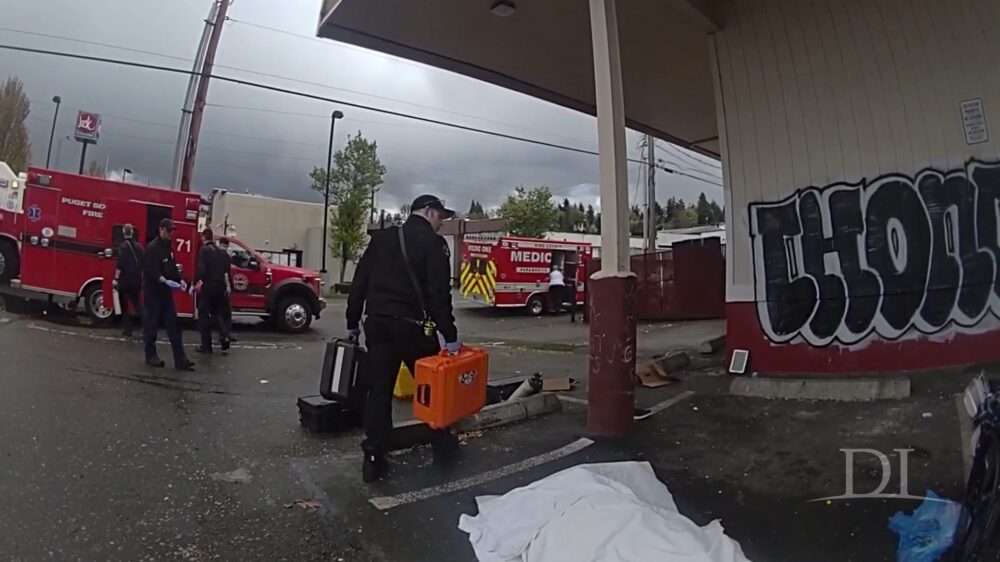
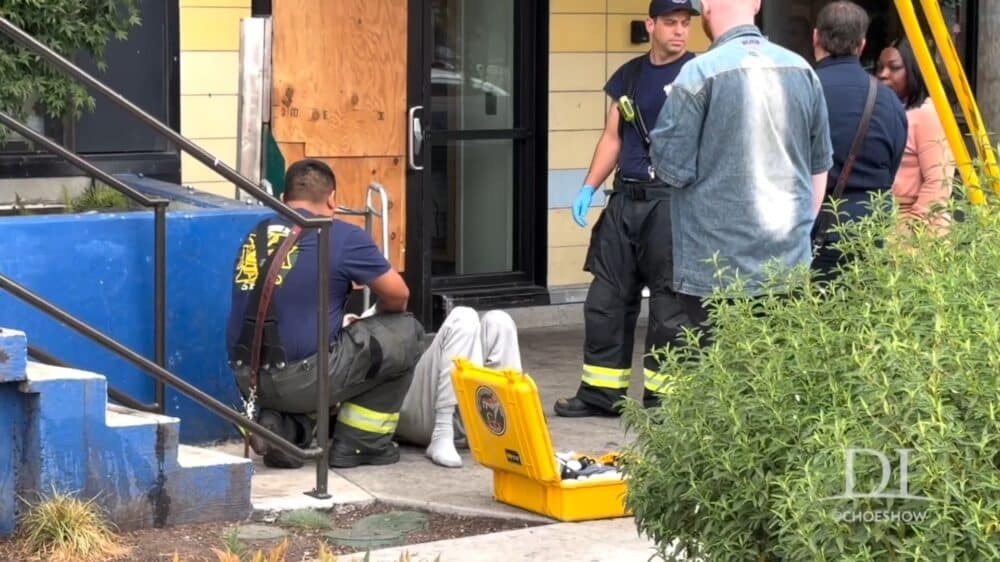
Nick Allen, 58, died of fentanyl poisoning three months after moving into his taxpayer-subsidized apartment. Staff found him in his room three days later. Research Fellow Marsha Michaelis tells this sad tale to illustrate the fatal effects of treating addiction as a disability to be accommodated rather than an adverse condition to be treated.

jonathan-choe-headshot-plymouth-housing-trespass-call-false-

False Alarm at Plymouth Housing: Jonathan Choe Not on the Premises

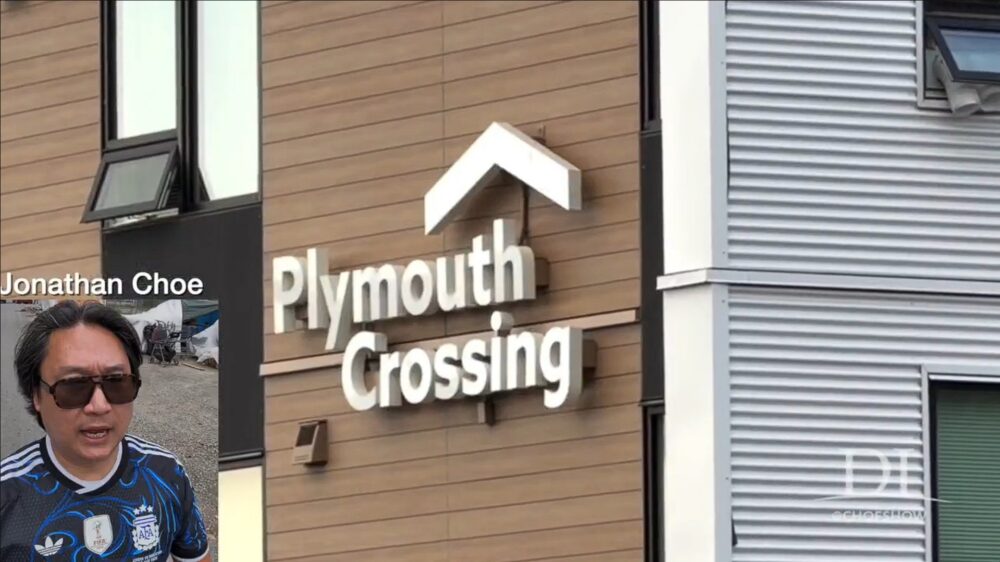
Living Rent Free I am sifting through dozens of 911 calls triggered by the chaotic Plymouth Housing/PorchLight facility in Bellevue. It sounds like police dispatchers thought I was trespassing on the property this week. Stop racially profiling me. Not all Asian guys look the same. It wasn’t me! Otherwise, neighbors and business owners say they are livid about this taxpayer funded homeless hell hole since staff turn a blind eye to fentanyl use in rooms. It also remains a favorite destination for convicted criminals. Both organizations have trespassed me after I exposed all the bad behavior spilling into the community. **I’ve attached my photo for future reference.** Trespassed at PorchLight Back in April, PorchLight staff trespassed me from their property. Read More ›

elderly-woman-in-front-of-desc-jonathan-choe-july-2026

Drug Addiction and Destruction on DESC’s Doorstep

A Destructive Ecosystem The Downtown Emergency Service Center cancer is spreading across Seattle. This latest incident at DESC’s Hobson Place perfectly encompasses what’s wrong with Housing First policies and permanent supportive housing. There is an elderly woman who has to share a floor with fentanyl dealers and drug addicts. Why is this vulnerable woman living in a place like this? Was this the only option for her in the final years of her life? What responsibility does taxpayer funded DESC have in keeping senior citizens safe in their facilities? I could go on and on. Then right in front of Hobson Place, people are smoking fentanyl and partying on the sidewalk. Down the block, there is another massive tent encampment Read More ›

Photo-Feb-18-2024-12-40-24-PM
Photo courtesy of Kevin Dahlgren

America’s Homelessness System Must Pursue Self-Sufficiency, Not Simply Housing

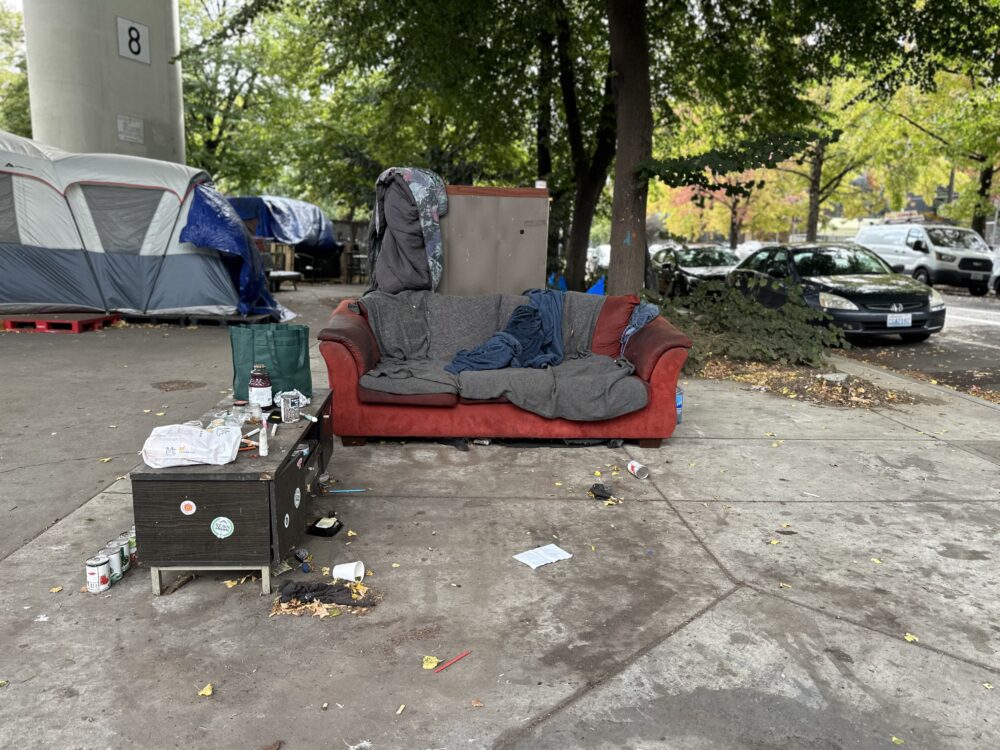
For more than a decade, America’s homelessness system has largely measured success by a single metric: whether someone is housed. In the process, what should have been a milestone on the journey to self-sufficiency became the destination itself. Housing is important, but making it the finish line set the bar devastatingly low for both the system and the people it serves. We now routinely confuse housing placement with transformation and occupancy with human flourishing. As a result, too many people remain trapped in addiction, untreated mental illness, dependency, and isolation, yet are counted as successes because the system measures where they sleep rather than whether they are healing, rebuilding, and moving toward self-sufficiency. This was never what most Americans envisioned Read More ›

Photo-Apr-04-2024-6-55-34-PM
Photo courtesy of Kevin Dahlgren

Housing First Failed America’s Homeless

When a policy intended to help vulnerable people actually harms them, the ethical response is immediate: Stop, reassess and tell the truth. That was why, in January 1996, a team of doctors at the Seattle-based Fred Hutch Cancer Center dramatically halted the active phase of a study assessing the benefits of beta-carotene and vitamin A supplements for people at high risk of developing lung cancer. Leading up to the study, Hutch News reported, “public enthusiasm for the purported health benefits of beta-carotene was so high, ‘people thought it would be unethical to assign participants to the placebo group.’” It turns out the placebo takers were the lucky ones. Among the 18,314 participants, those receiving supplements “had a 28 percent greater Read More ›

loss-of-money-bad-investment-or-investment-cash-dollars-are-302224167-stockpack-adobestock
Loss of money. Bad investment or investment. Cash dollars are flushed into the toilet
Image Credit: adragan - Adobe Stock

Homekey Audit Exposes California’s Real Homelessness Crisis: Failed Governance

California lawmakers blocked legislation requiring a comprehensive audit of the state’s multibillion-dollar Homekey program. Fortunately, a nonprofit news site undertook the very investigation state leaders refused to demand. The newly-released findings sharply undercut Gov. Gavin Newsom’s repeated claims that his pandemic-era Homekey program has been a “phenomenal success.” Built on roughly 250 projects and more than 100 public-records requests, the two-year investigation exposed a familiar pattern in Newsom’s governance style: massive spending, glowing political rhetoric, weak oversight, and deeply underwhelming results. In a state already plagued by oversight failures involving Medicaid, hospice care, in-home supportive services, and homelessness spending itself, the revelations were troubling, though hardly surprising. California spent $3.8 billion to rapidly convert hotels, motels, offices, and other properties Read More ›

Screenshot-2026-05-01-153945

Madison Valley Resident and Advocate Speaks Out About Impacts of Low-Barrier Housing

A Familiar Pattern A Chicago-based non-profit called CommonSpirit now controls Virginia Mason Franciscan Health’s Bailey-Boushay House. The controversial taxpayer-funded homeless shelter is being blamed for a spike in crime, drug use, and disorder in Seattle’s Madison Valley. The embattled King County Regional Homelessness Authority is supposed to hold them accountable but has failed to do so. My colleague Marsha Michaelis and I are taking a closer look at the way “low barrier” facilities are destroying communities in WA.

Screenshot-2026-05-01-115201

Mental Illness at a Bus Stop: Why the Homeless and Communities Deserve Better

Unhinged Behavior Bailey-Boushay House in Seattle, known for its HIV/AIDS care and low-barrier homeless shelter, faces major challenges surrounding neighborhood safety and public disorder. Look at this client going on a bender in front of the bus stop that’s frequently used by children and the elderly.

Screenshot-2026-05-01-113310

Low-Barrier Bailey-Boushay House Wreaking Havoc on Seattle Neighborhood

Community Cancer Neighbors and business owners are sounding the alarm about a problematic homeless shelter in Seattle’s picturesque Madison Valley neighborhood. It’s Virginia Mason’s Bailey-Boushay House that’s now being blamed for attracting crime, open-air drug use, and mentally unhinged individuals into the community. This facility gets millions of taxpayer dollars but critics say no one is holding them accountable. This is another black eye for the constellation of “low barrier” facilities that are being championed by Mayor Katie Wilson.