Fix Homelessness How to rebuild human lives
Topic

Housing First

the-tragic-results-of-drug-tolerant-housing

The Tragic Results of Drug-Tolerant Housing

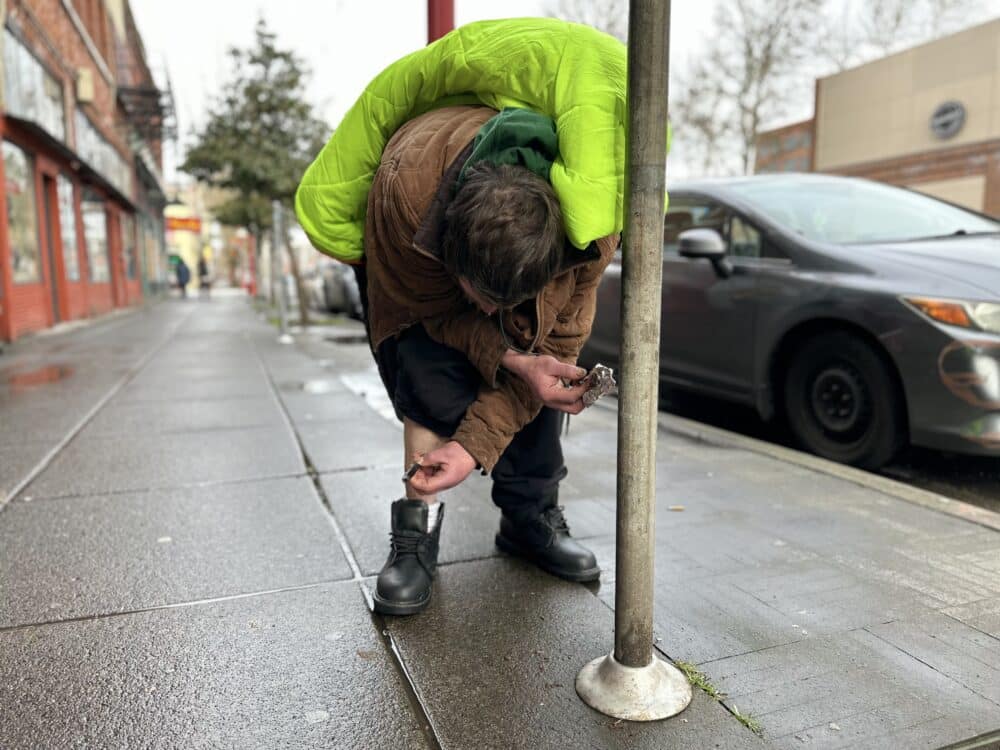
Nick Allen, 58, died of fentanyl poisoning three months after moving into his taxpayer-subsidized apartment. Staff found him in his room three days later. Research Fellow Marsha Michaelis tells this sad tale to illustrate the fatal effects of treating addiction as a disability to be accommodated rather than an adverse condition to be treated.

Photo-Mar-02-2024-9-06-57-AM
Image courtesy of Kevin Dahlgren

JD Vance Is Right: American Homelessness Is “Third World”

This month on “The Joe Rogan Experience,” Vice President JD Vance discussed Israel, Jeffrey Epstein, and aliens, topics that have lit up public conversation. Largely overlooked, however, were his thought-provoking remarks about America’s homelessness crisis, which highlight the harmful results of present policies in some of our largest cities and the need to enact new policies that prioritize restoring lives. Vance recalled attending an office Christmas party near Skid Row, the notorious 50-block area in downtown Los Angeles overcome by homelessness, illicit drug use, and crime. He described armed security and “gigantic walls” protecting the party. He told Joe Rogan that it reminded him of visiting the U.S. Embassy in Port-au-Prince, Haiti. “Crazy wealth and status and privilege on the Read More ›

elderly-woman-in-front-of-desc-jonathan-choe-july-2026

Drug Addiction and Destruction on DESC’s Doorstep

A Destructive Ecosystem The Downtown Emergency Service Center cancer is spreading across Seattle. This latest incident at DESC’s Hobson Place perfectly encompasses what’s wrong with Housing First policies and permanent supportive housing. There is an elderly woman who has to share a floor with fentanyl dealers and drug addicts. Why is this vulnerable woman living in a place like this? Was this the only option for her in the final years of her life? What responsibility does taxpayer funded DESC have in keeping senior citizens safe in their facilities? I could go on and on. Then right in front of Hobson Place, people are smoking fentanyl and partying on the sidewalk. Down the block, there is another massive tent encampment Read More ›

Andrea-Suarez-KOMO-Town-Hall-July-2026

Andrea Suarez Advocates for Treatment First in KOMO News Town Hall on Homelessness

KOMO News hosted a Town Hall on Western Washington’s homelessness crisis on July 13. The Town Hall panel included Daniel Malone, Executive Director of the Downtown Emergency Service Center (DESC); Andrea Suarez, Founder and Executive Director of We Heart Seattle; Jon Scholes, President and CEO of the Downtown Seattle Association; and Dominique Alex, CEO of Mary’s Place. Among the topics discussed were the root causes of chronic homelessness, whether current policies hurt or help the problem, Housing First and harm reduction, untreated mental illness and substance use disorder, and family homelessness. While Malone of DESC repeatedly emphasized the importance of housing and the role of affordability in homelessness, Suarez strongly advocated for a “treatment first” approach in order to tackle Read More ›

Photo-Feb-18-2024-12-40-24-PM
Photo courtesy of Kevin Dahlgren

America’s Homelessness System Must Pursue Self-Sufficiency, Not Simply Housing

For more than a decade, America’s homelessness system has largely measured success by a single metric: whether someone is housed. In the process, what should have been a milestone on the journey to self-sufficiency became the destination itself. Housing is important, but making it the finish line set the bar devastatingly low for both the system and the people it serves. We now routinely confuse housing placement with transformation and occupancy with human flourishing. As a result, too many people remain trapped in addiction, untreated mental illness, dependency, and isolation, yet are counted as successes because the system measures where they sleep rather than whether they are healing, rebuilding, and moving toward self-sufficiency. This was never what most Americans envisioned Read More ›

Photo-Apr-04-2024-6-55-34-PM
Photo courtesy of Kevin Dahlgren

Housing First Failed America’s Homeless

When a policy intended to help vulnerable people actually harms them, the ethical response is immediate: Stop, reassess and tell the truth. That was why, in January 1996, a team of doctors at the Seattle-based Fred Hutch Cancer Center dramatically halted the active phase of a study assessing the benefits of beta-carotene and vitamin A supplements for people at high risk of developing lung cancer. Leading up to the study, Hutch News reported, “public enthusiasm for the purported health benefits of beta-carotene was so high, ‘people thought it would be unethical to assign participants to the placebo group.’” It turns out the placebo takers were the lucky ones. Among the 18,314 participants, those receiving supplements “had a 28 percent greater Read More ›

homeless-person-passed-out-on-sidewalk-Kevin-Dahlgren
Image courtesy of Kevin Dahlgren

When Ideology Overrules Common Sense

For years, the political left has controlled the conversation around homelessness, addiction, and mental illness in most major West Coast cities. They control the nonprofits. They control the bureaucracies. They control the county commissions, the grant systems, the academic language, and most of the policy decisions. And yet the crisis keeps getting worse. That should tell us something. At some point, we have to stop judging these policies by their intentions and start judging them by their results. Because no matter how compassionate the language sounds, the outcome is obvious to anyone willing to walk the streets: more tents, more overdoses, more untreated mental illness, more open-air drug use, more crime, more suffering, and more people slowly dying in public. Read More ›


a-homeless-person-takes-a-nap-on-a-bench-at-the-park-stockpa-370370160-stockpack-adobestock
A homeless person takes a nap on a bench at the park
Image Credit: Gorart - Adobe Stock

HUD Re-Issues New Homeless Grant Criteria, Freeing Cities to Ditch Housing First, Pursue Real Solutions

SEATTLE, WA — The U.S. Department of Housing and Urban Development (HUD) recently released its 2026 grant criteria for $4 billion in homelessness funding, with a major shift toward treatment, recovery, and renewed self-sufficiency for all who are able. “Federal reforms have finally created space for local leaders to put treatment and recovery back at the center of homelessness policy,” says Discovery Institute President Steve Buri. “Real compassion means helping people reclaim stability and dignity, not leaving them trapped in addiction and illness without a path to restoration.” Discovery Institute has updated its essential policy brief, calling on local governments, Continuums of Care (CoCs), and service agencies to leverage these new federal reforms and make treatment and recovery central to Read More ›

housing-not-handcuffs-protest-Cicero-Choe-2

Protestors Gather at Cicero Institute to Protest HUD’s Shift in Homeless Policy

Homeless INC Protests Changes Friday afternoon, far-left activists targeted Cicero Institute’s Homelessness Policy Summit in Washington, D.C. Most of these professional protesters are aligned with Homeless INC and are deathly afraid of losing their gravy train. That’s because the Trump administration defunded Housing First, one of the greatest public policy failures in American history. It’s made the street crisis worse and cost taxpayers billions of dollars. But now the vast majority of that money will be flowing into treatment and recovery focused providers. Discovery Institute and Cicero Institute played a massive role in helping craft the direction of this new approach that will save lives. We Heart Seattle’s Andrea Suarez, Tom Wolf, and North America Recovers Grant Denton are on Read More ›