Fix Homelessness How to rebuild human lives
Topic

treatment

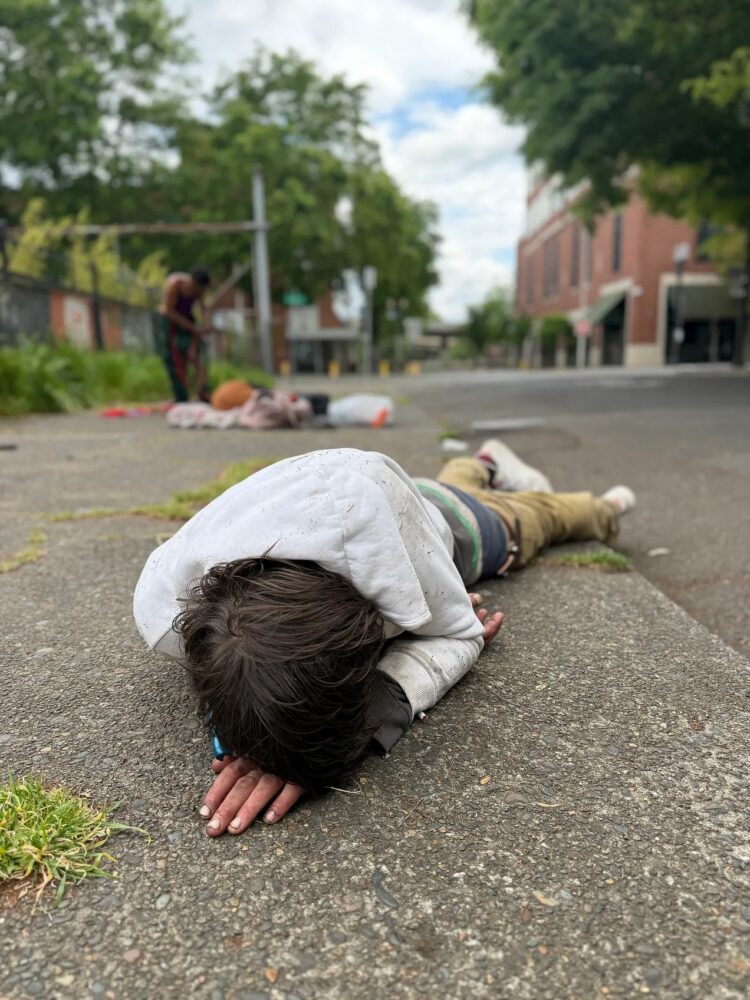
homeless-person-passed-out-on-sidewalk-Kevin-Dahlgren
Image courtesy of Kevin Dahlgren

When Ideology Overrules Common Sense

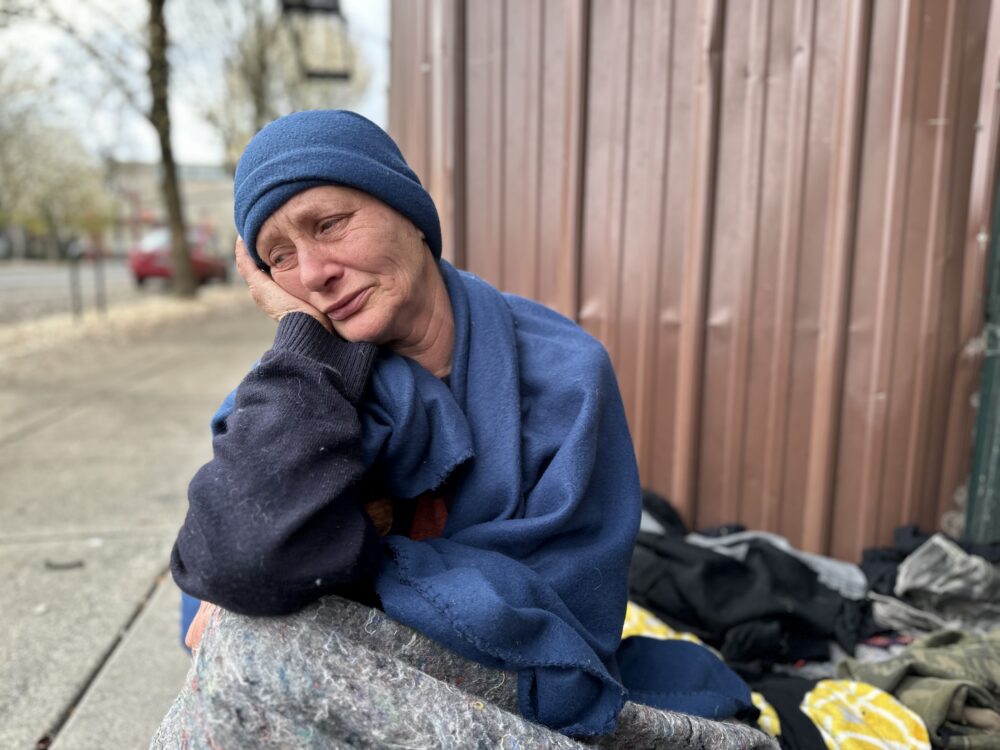
For years, the political left has controlled the conversation around homelessness, addiction, and mental illness in most major West Coast cities. They control the nonprofits. They control the bureaucracies. They control the county commissions, the grant systems, the academic language, and most of the policy decisions. And yet the crisis keeps getting worse. That should tell us something. At some point, we have to stop judging these policies by their intentions and start judging them by their results. Because no matter how compassionate the language sounds, the outcome is obvious to anyone willing to walk the streets: more tents, more overdoses, more untreated mental illness, more open-air drug use, more crime, more suffering, and more people slowly dying in public. Read More ›


a-homeless-person-takes-a-nap-on-a-bench-at-the-park-stockpa-370370160-stockpack-adobestock
A homeless person takes a nap on a bench at the park
Image Credit: Gorart - Adobe Stock

HUD Re-Issues New Homeless Grant Criteria, Freeing Cities to Ditch Housing First, Pursue Real Solutions

SEATTLE, WA — The U.S. Department of Housing and Urban Development (HUD) recently released its 2026 grant criteria for $4 billion in homelessness funding, with a major shift toward treatment, recovery, and renewed self-sufficiency for all who are able. “Federal reforms have finally created space for local leaders to put treatment and recovery back at the center of homelessness policy,” says Discovery Institute President Steve Buri. “Real compassion means helping people reclaim stability and dignity, not leaving them trapped in addiction and illness without a path to restoration.” Discovery Institute has updated its essential policy brief, calling on local governments, Continuums of Care (CoCs), and service agencies to leverage these new federal reforms and make treatment and recovery central to Read More ›

image

Who Oversees the System? Questions of Transparency in Seattle’s Homelessness Strategy

A City in Urgency Seattle is moving rapidly to expand shelter for homeless drug addicts before the FIFA World Cup comes to the city. Faster than the public has been given time to fully understand. Mayor Katie Wilson set a goal of adding hundreds of new units in a matter of months. The strategy relies heavily on taxpayer dollars to expand tiny house villages. No one questions the urgency. But speed should not replace accountability and transparency. Lack of Transparency Right now, Seattle is making high-impact decisions about land, funding, and service delivery through a relatively tight network of policymakers, advisors, and providers. And the public has not been given a clear, transparent picture of how those decisions are being made. Read More ›

Photo-Apr-13-2023-10-17-58-AM
Photo courtesy of Kevin Dahlgren

Why Housing First Isn’t the Answer to Seattle’s Homelessness Crisis

I’ve spent years working directly with Seattle’s homeless population, not studying them from university offices, or analyzing data sets from a comfortable distance, but on the streets, in the encampments, doing street-level engagement and intervention. When I read yet another opinion piece (“Homelessness in Seattle: We can’t unsee it.” Dec. 28, 2025) attributing our homelessness crisis primarily to housing costs, I have to ask: Are we really going to continue trusting consultants and researchers over what our own eyes tell us?

The December piece by Walter Hatch follows a familiar pattern in academia: Start with a conclusion, in this case, that “it’s a housing problem,” then find data to support it. However, those of us working on the ground are aware of a critical fact that these analyses consistently overlook: There’s a fundamental distinction between the “crisis population” living in visible squalor on our streets and individuals who are the working poor — couch-surfing, living with family or struggling with roommates to afford rent.

We cannot conflate these populations. They are not the same.

Read More ›
Screenshot-2025-05-01-125019

We Heart Seattle Models What Actually Works to Solve Homelessness

Our friends at We Heart Seattle are doing incredible work transforming lives. The testimonial below features recovering addict Stephen Dowd, who was found living in a tent before We Heart Seattle helped him get into treatment. We Heart Seattle is modeling what actually works to rescue people from homelessness. “Everybody else is focused on getting somebody housed,” says We Heart Seattle’s Tim Emerson. “I’m more focused on getting somebody better and then housed.”