When Ideology Overrules Common Sense
Originally published at Kevin Dahlgren's Substack- Categories
- Drug Epidemic
- Homelessness
- Mental Illness
For years, the political left has controlled the conversation around homelessness, addiction, and mental illness in most major West Coast cities. They control the nonprofits. They control the bureaucracies. They control the county commissions, the grant systems, the academic language, and most of the policy decisions. And yet the crisis keeps getting worse. That should tell us something.
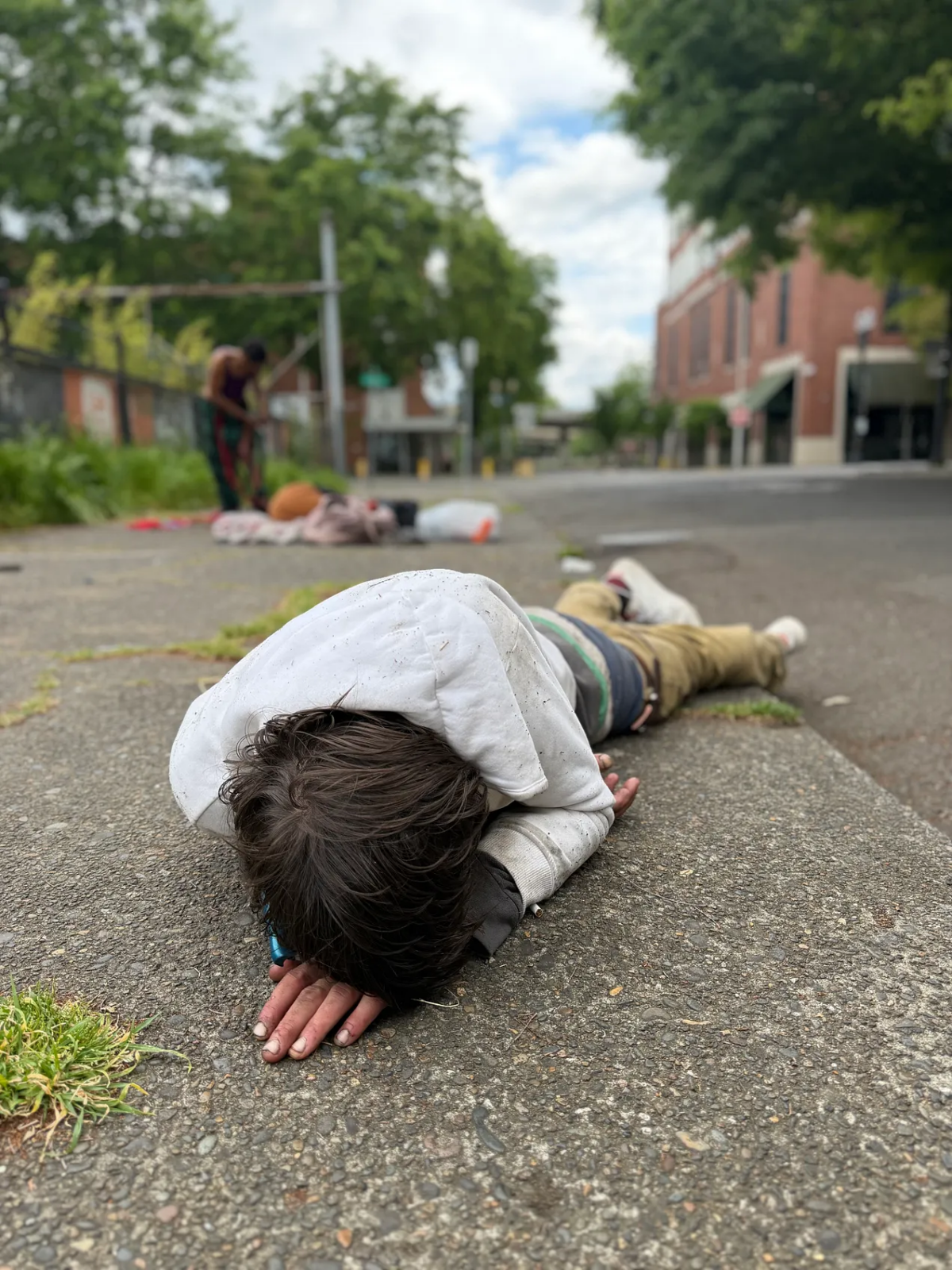
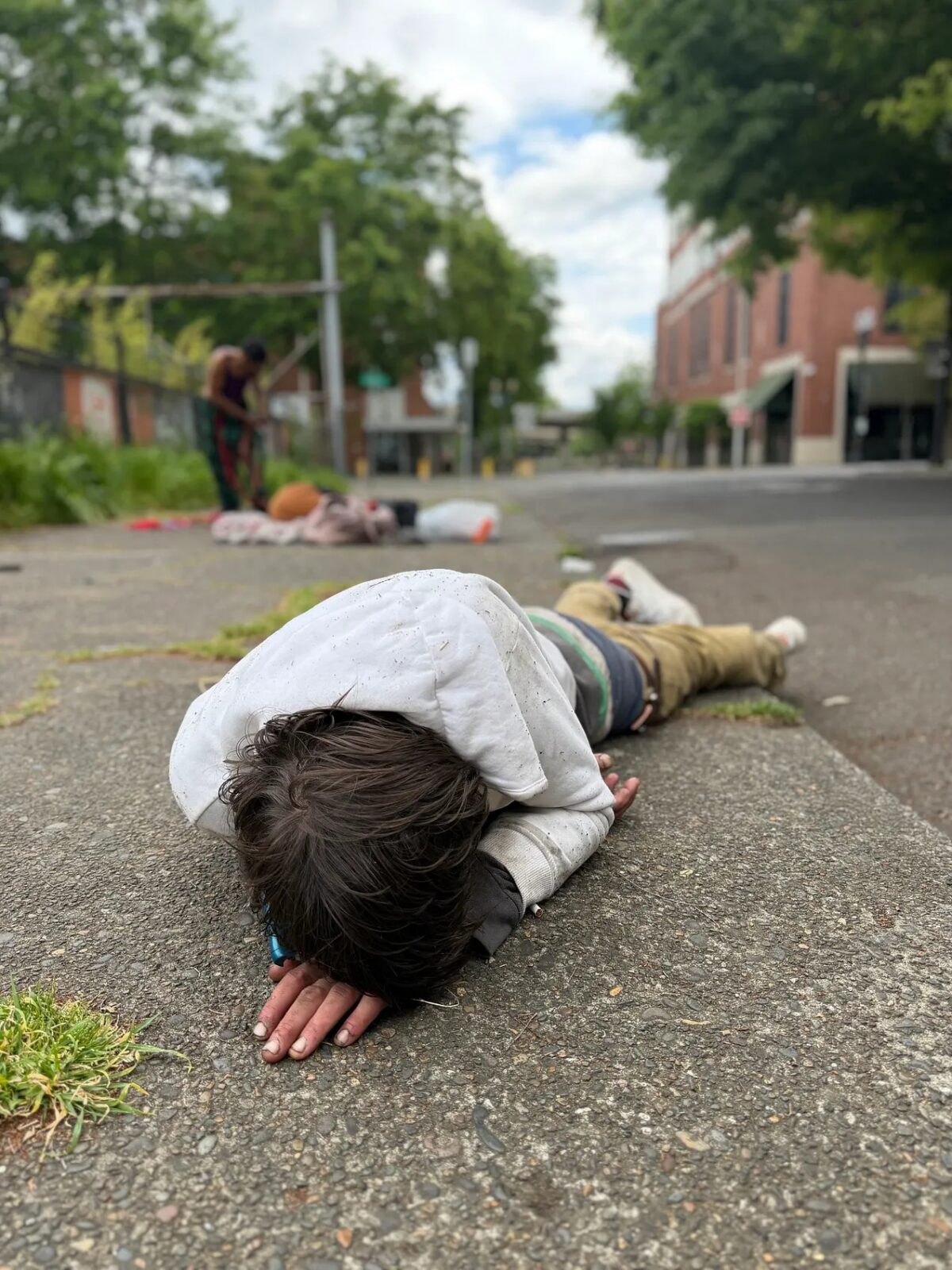
At some point, we have to stop judging these policies by their intentions and start judging them by their results. Because no matter how compassionate the language sounds, the outcome is obvious to anyone willing to walk the streets: more tents, more overdoses, more untreated mental illness, more open-air drug use, more crime, more suffering, and more people slowly dying in public. The problem is not that the left does not care. Many do. The problem is that their ideology often prevents them from telling the truth about what is actually happening. They have reduced homelessness to one word: housing.
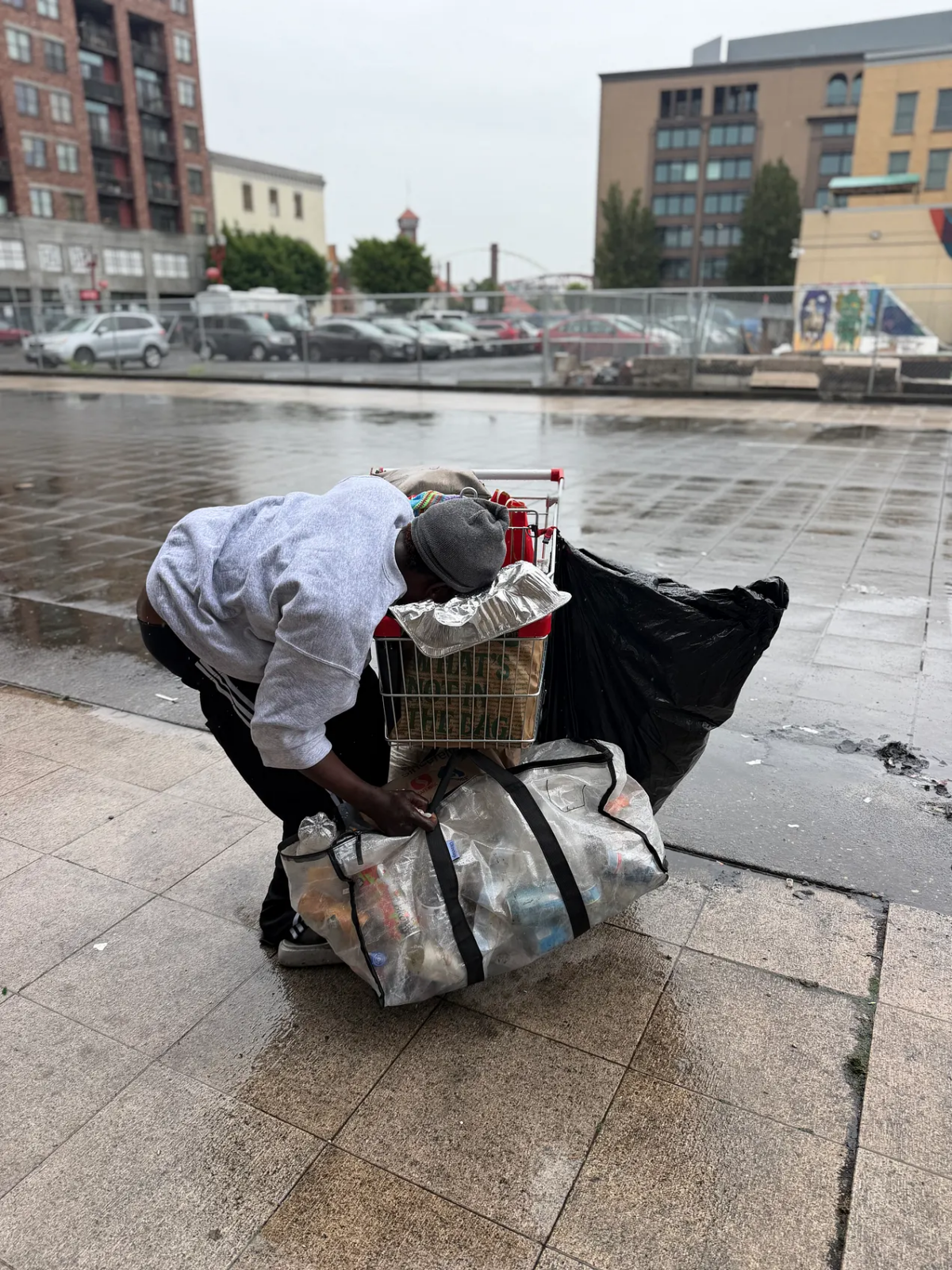
Housing matters, but homelessness in America today, especially in cities like Portland, Seattle, San Francisco, Los Angeles, and Philadelphia, is not simply a housing crisis. It is an addiction crisis. It is a mental illness crisis. It is a broken family crisis. It is a criminal justice crisis, and above all, it is a crisis of accountability. But the modern left often refuses to acknowledge that reality because once you admit addiction, untreated psychosis, violence, and self-destruction are major drivers of street homelessness, you are forced to support policies that go far beyond rent assistance and permanent supportive housing. You have to support detox. You have to support treatment. You have to support civil commitment reform. You have to support consequences for public drug use. You have to support removing people from the streets when they are clearly unable to care for themselves. You have to support boundaries. And boundaries are where the ideology collapses.
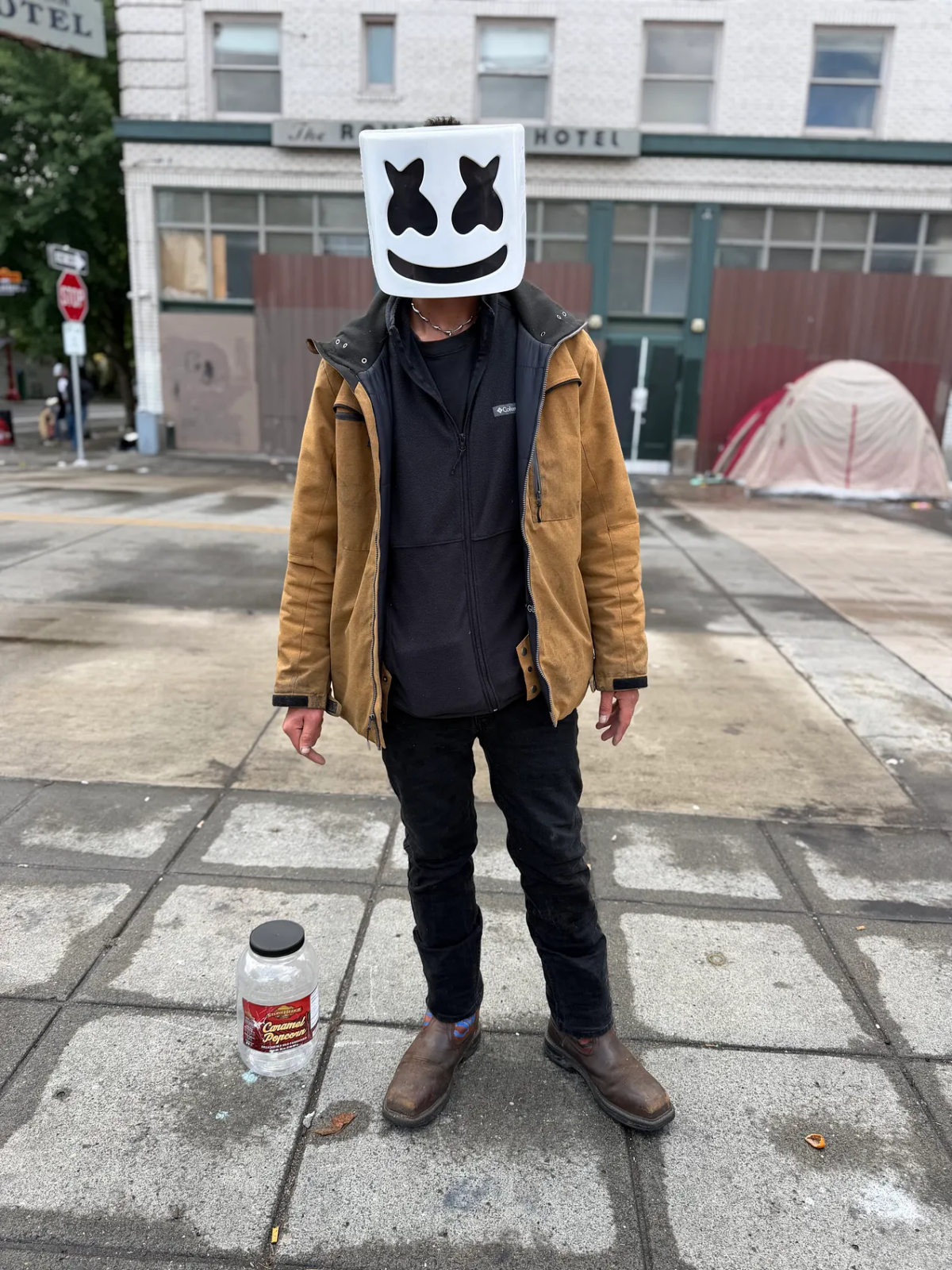
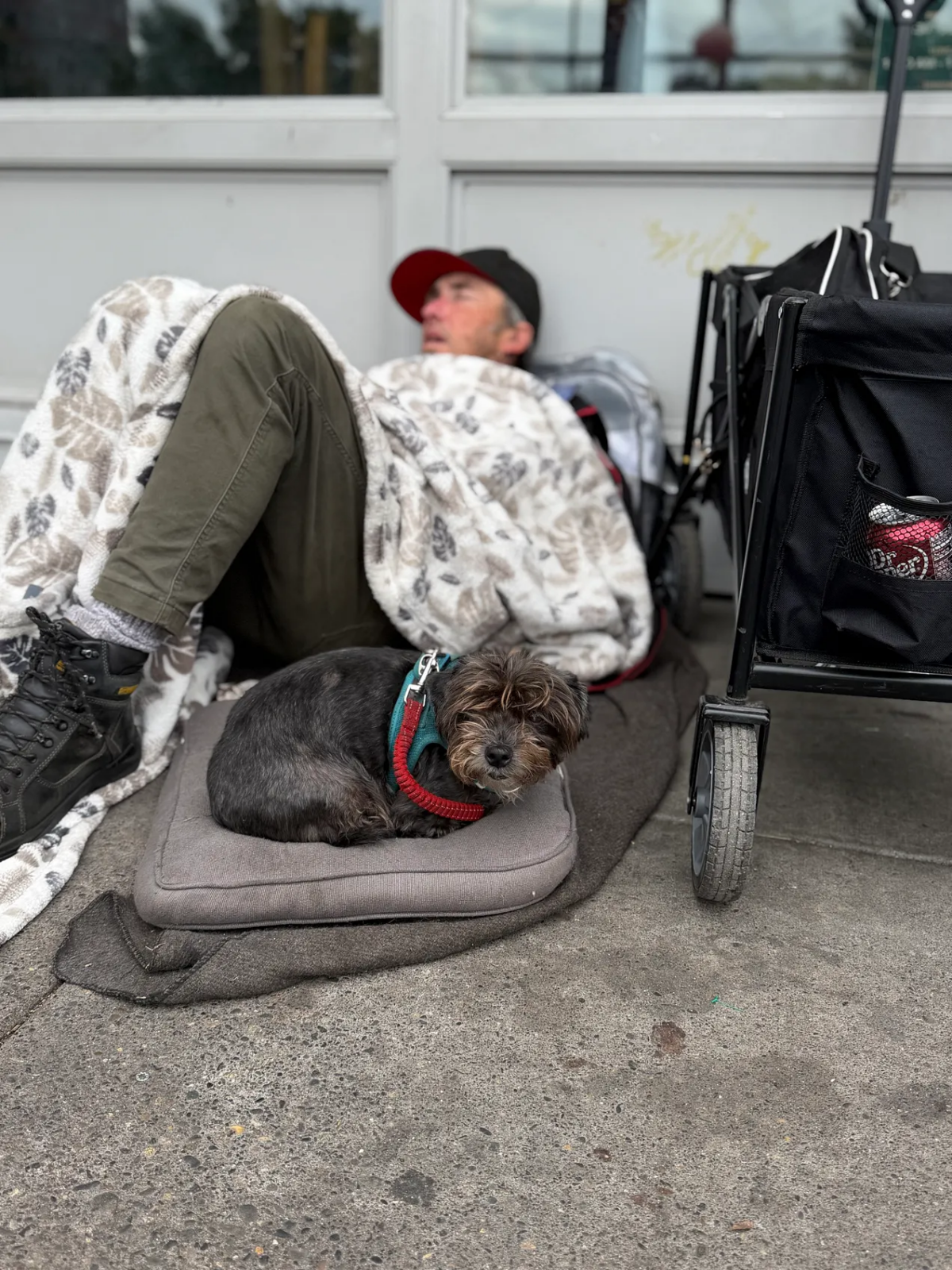
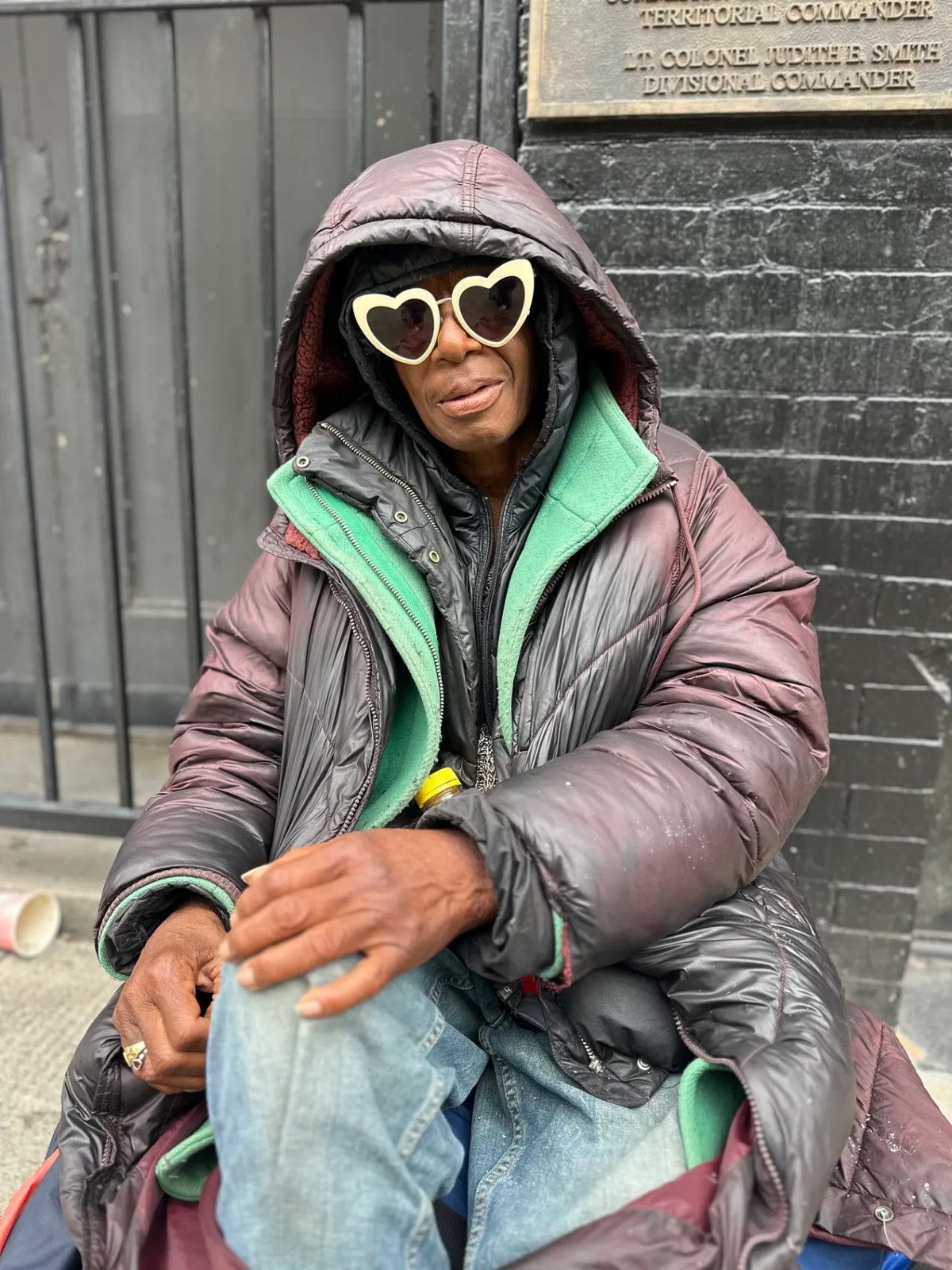
The left has built an entire homeless response system around the idea that saying “no” is harmful, expectations are oppressive, and accountability is punishment. That sounds compassionate in a classroom. It sounds enlightened in a nonprofit training. But on the streets, it is a disaster. I have interviewed thousands of homeless people. I have watched people smoke fentanyl next to outreach workers. I have seen people passed out in doorways while cities debate whether asking them to move violates their dignity. I have watched people steal from stores in broad daylight because they know nobody will stop them. I have seen people handed supplies to keep using drugs while nobody has a serious plan to get them sober. That is not compassion. That is abandonment dressed up as tolerance.
The clearest example of this failure is modern harm reduction. Narcan saves lives, and I fully support it. But handing an addict foil, straws, and pipes while calling it compassion is not ending addiction. It is maintaining it. There is a difference between keeping someone alive long enough to get them into treatment and building a system that makes it easier for them to keep using. Too many cities have crossed that line. When you hand someone supplies to smoke fentanyl, snort drugs, or continue using without any serious expectation of detox, treatment, recovery, or change, what message are you really sending? You are not saying, “We believe you can recover.” You are saying, “We expect you to keep using.” That is the dark truth nobody wants to say out loud.
Harm reduction was supposed to reduce harm. In many cities, it has become harm maintenance. Workers hand out supplies, call it public health, and then walk away while the same person keeps spiraling. The goal should not be helping people use drugs more safely forever. The goal should be helping people stop using drugs. The same problem exists with Housing First. Housing matters. Some people simply need a stable place to live and support to get back on their feet. But Housing First failed when it became housing only. The original idea was housing with services. Housing with support. Housing with case management. Housing with a path toward stability. But too often, it has become housing without expectations: no treatment requirement, no sobriety requirement, no real accountability, and no serious plan to address the addiction, psychosis, violence, trauma, or chaos that made someone unable to stay housed in the first place.
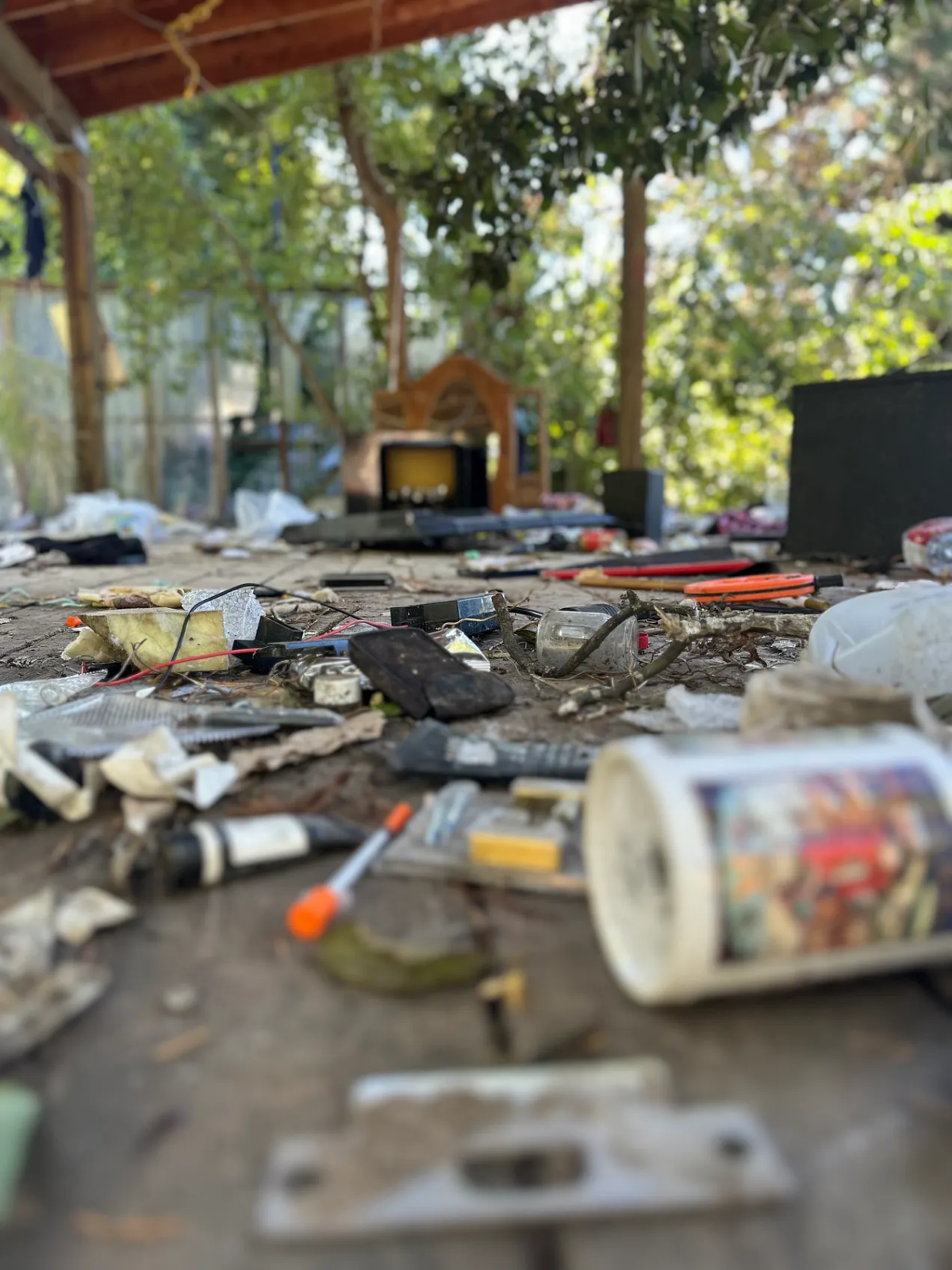
Then everyone acts shocked when the person destroys the unit, gets evicted, overdoses inside, or turns the building into the same chaos they were living in outside. That is not just a housing failure. That is a policy failure. You cannot take someone in full-blown fentanyl addiction, hand them keys, ask nothing of them, and call that a solution.
You may have moved the suffering indoors, but you have not ended it. Housing without expectations becomes warehousing. I have seen it over and over again. People get housing, but the addiction comes with them. The dealers come with them. The untreated mental illness comes with them. The trauma comes with them. If we do not address those issues, then we are not solving homelessness. We are just changing the location of the crisis.
That is why the national conversation is starting to shift. HUD Secretary Scott Turner has called Housing First a failed ideology and is moving federal policy away from simply funding housing with no expectations and toward treatment, recovery, employment training, mental health support, and self-sufficiency. That is the debate we should have been having years ago. For too long, the homeless industrial complex treated Housing First like a religion. If you questioned it, you were cruel. If you asked for treatment requirements, you were criminalizing poverty. If you asked for work programs, you did not understand trauma. If you asked for accountability, you were blaming the victim. But what is crueler? Expecting someone to get help? Or handing them keys while they continue smoking fentanyl until they die inside the unit?
The left loves to talk about root causes, but then refuses to deal with the most obvious ones right in front of us: addiction, mental illness, broken families, trauma, criminal behavior, and a complete lack of accountability. Instead, they blame capitalism. They blame landlords. They blame rent. They blame police. They blame everyone except the failed system they created and continue to defend. Another major problem is the left’s obsession with victimhood. Everyone on the street is treated as if they are simply a victim of capitalism, rent prices, racism, or bad luck. Some are. Many people have been deeply harmed by trauma, poverty, abuse, and broken systems. But that is not the whole story.
People also make choices. Addiction involves choices. Crime involves choices. Refusing shelter involves choices. Destroying housing involves choices. Assaulting outreach workers involves choices. Rejecting treatment over and over again involves choices. Acknowledging that does not mean we hate homeless people. It means we respect them enough to see them as human beings with agency, not helpless political symbols.
The left claims to believe in dignity, but there is nothing dignified about letting someone rot in a tent for years while calling it autonomy. There is nothing dignified about allowing a severely mentally ill person to scream at invisible voices on a sidewalk because forced treatment makes activists uncomfortable. There is nothing dignified about letting addicts smoke fentanyl in front of children because enforcing laws might be called criminalization.
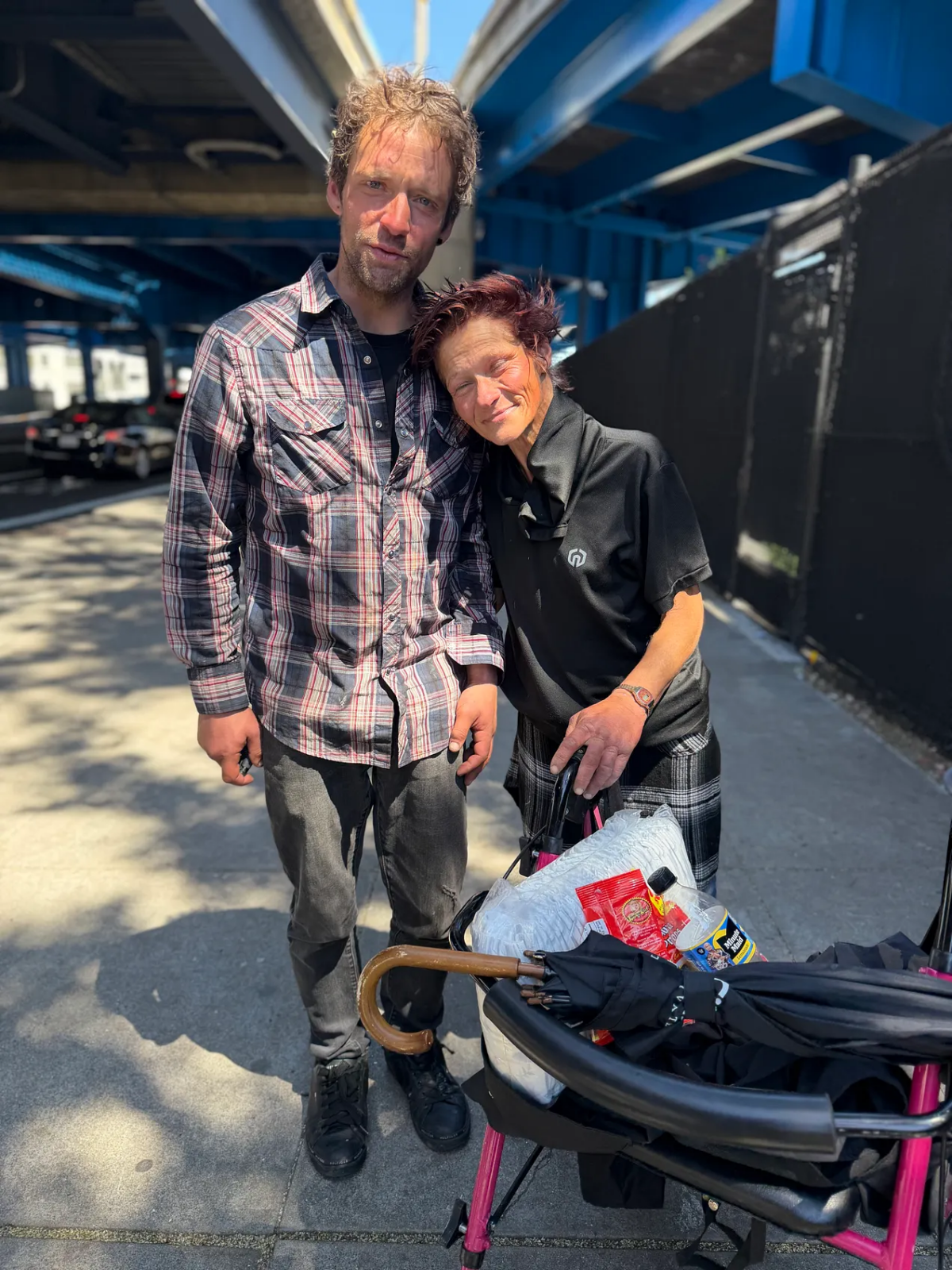
We have confused freedom with neglect. A person trapped in addiction is not free. A person dying from untreated schizophrenia is not free. A person being trafficked inside an encampment is not free. A person living in filth, surrounded by stolen property, violence, and fentanyl smoke, is not free. They are abandoned. And the people abandoning them are often the same people claiming the moral high ground. The nonprofit industrial complex also has to be confronted. Billions of dollars have been spent across the country, yet the streets look worse in city after city. Where is the accountability? Where are the results? Where are the clear metrics? How many people got sober? How many were reunited with family? How many left the streets permanently? How many entered treatment and stayed there?
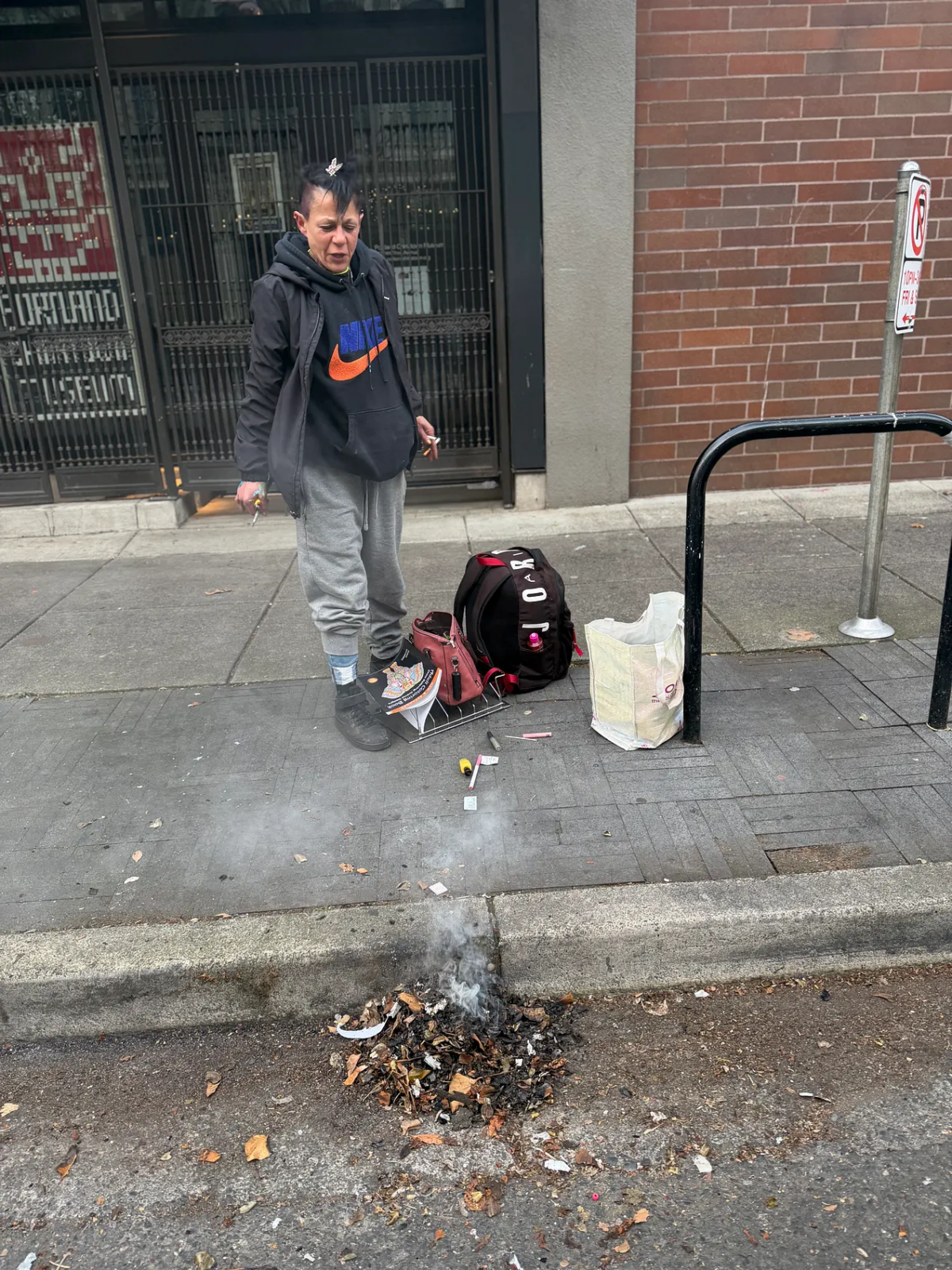
Too often, success is measured by contacts, supplies handed out, meetings attended, grants received, and beds funded. But the public does not care how many meetings were held. The public wants to know why the same person is still sleeping in the same doorway three years later. More importantly, that person deserves better than another clipboard conversation. The left has also created a system where the people least affected by bad policy are the ones making the rules. The activists demanding no sweeps do not usually live next to the encampments. The officials opposing enforcement are not stepping over needles outside their front doors. The nonprofit executives talking about lived experience are not the ones trying to run a small business next to an open-air drug market.
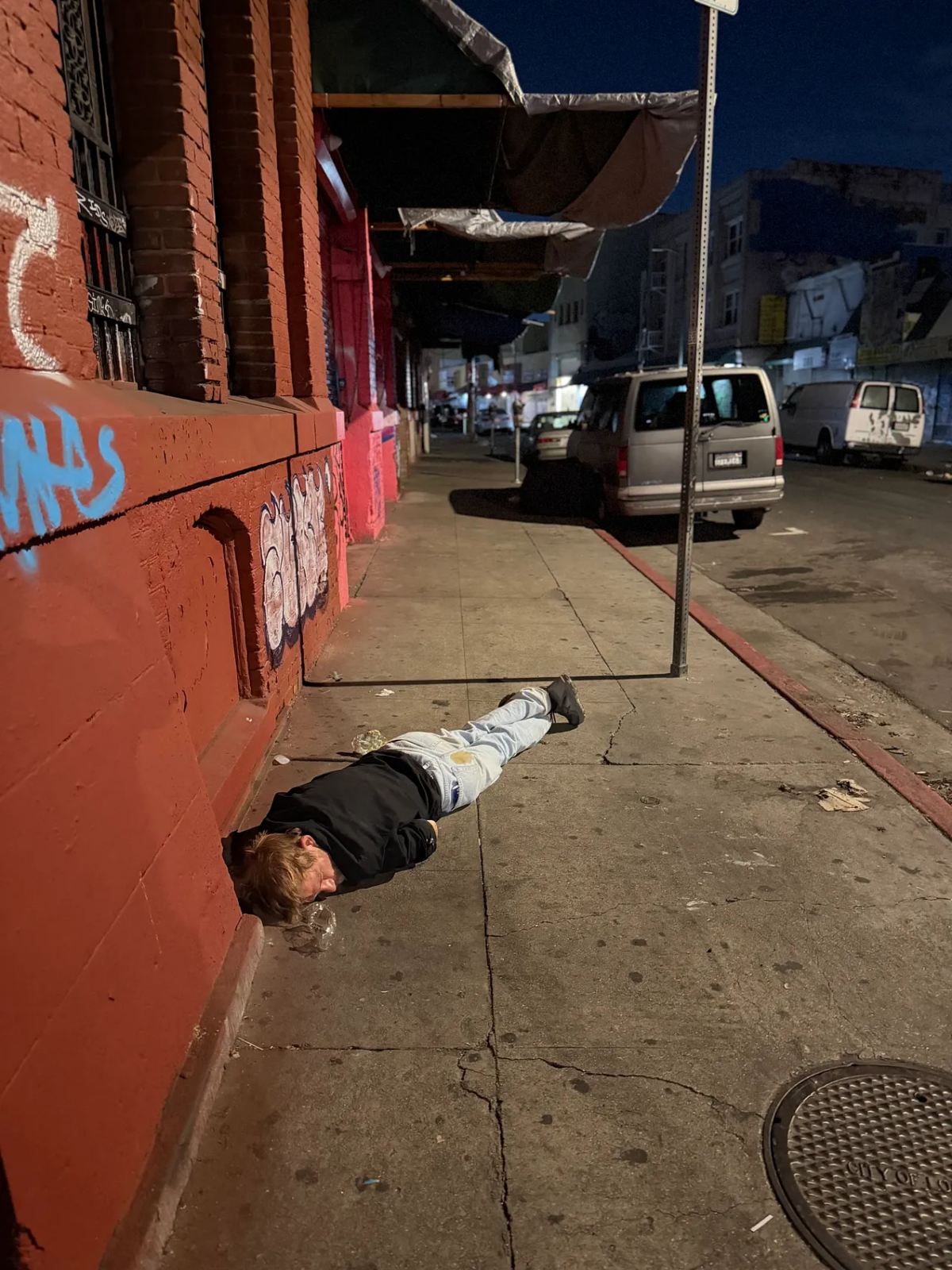
Working-class neighborhoods pay the price. Families pay the price. Small businesses pay the price. And yes, the homeless themselves pay the biggest price of all. Because when cities refuse to enforce basic standards, the streets become governed by whoever is strongest, most violent, or most addicted. I have seen it over and over again. Encampments develop their own power structure. Predators move in. Women are exploited. Elderly and disabled homeless people are victimized. Addicts steal from each other. Dealers take control. That is what happens when government steps back and calls it compassion.
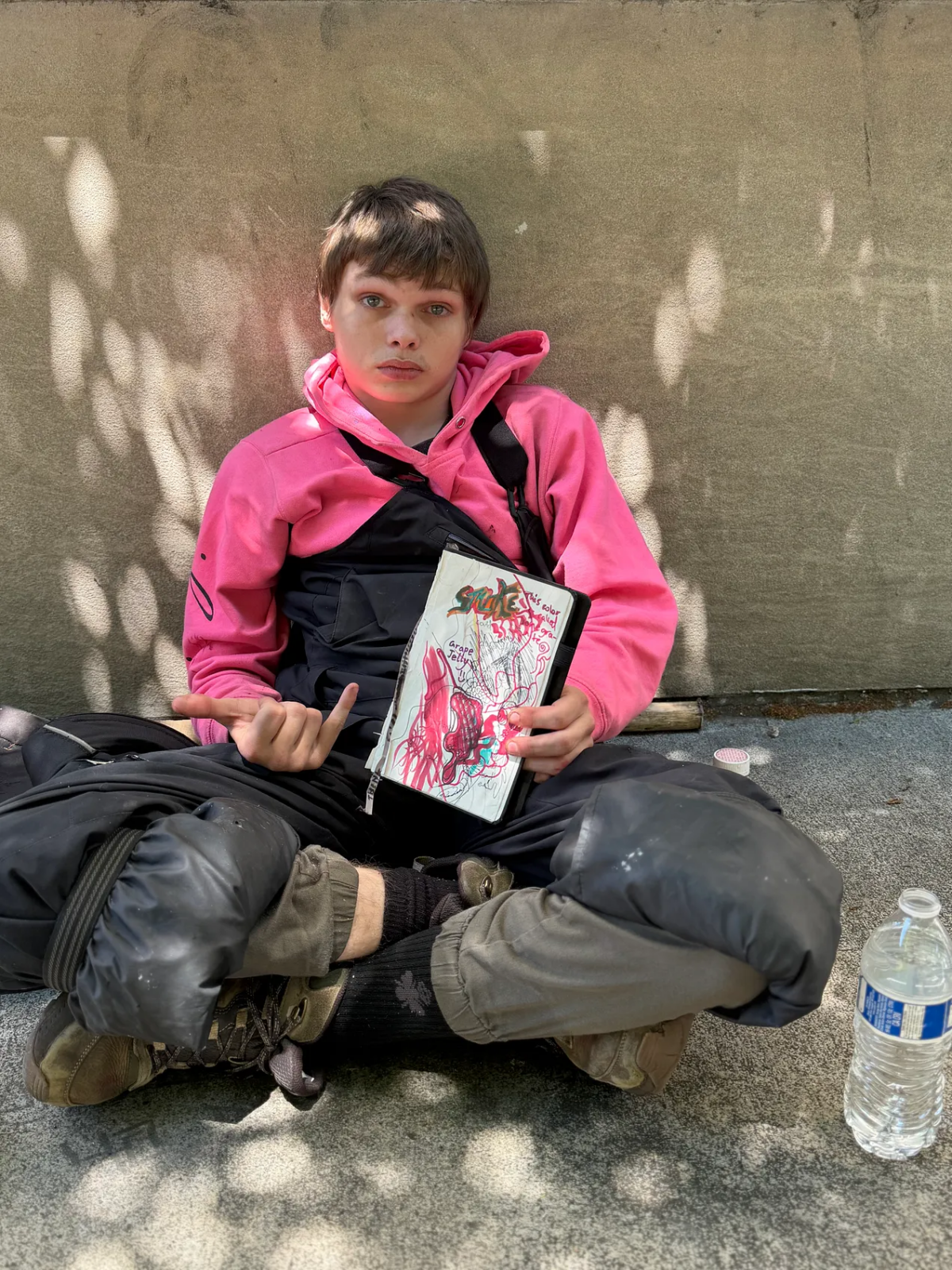
The answer is not cruelty. The answer is not simply sweeping people from block to block. The answer is not pretending jail alone will fix addiction. But the answer is also not endless permissiveness. We need a recovery-based system. We need shelter with expectations. We need sanctioned camping with rules and services while banning street camping outside of those areas. We need real detox on demand. We need long-term treatment, not just a brochure and a phone number. We need mental health beds. We need civil commitment for people who are clearly unable to care for themselves. We need employment training. We need reunification programs. We need transitional housing that actually transitions people somewhere. And we need to stop pretending every person on the street is one apartment away from stability.
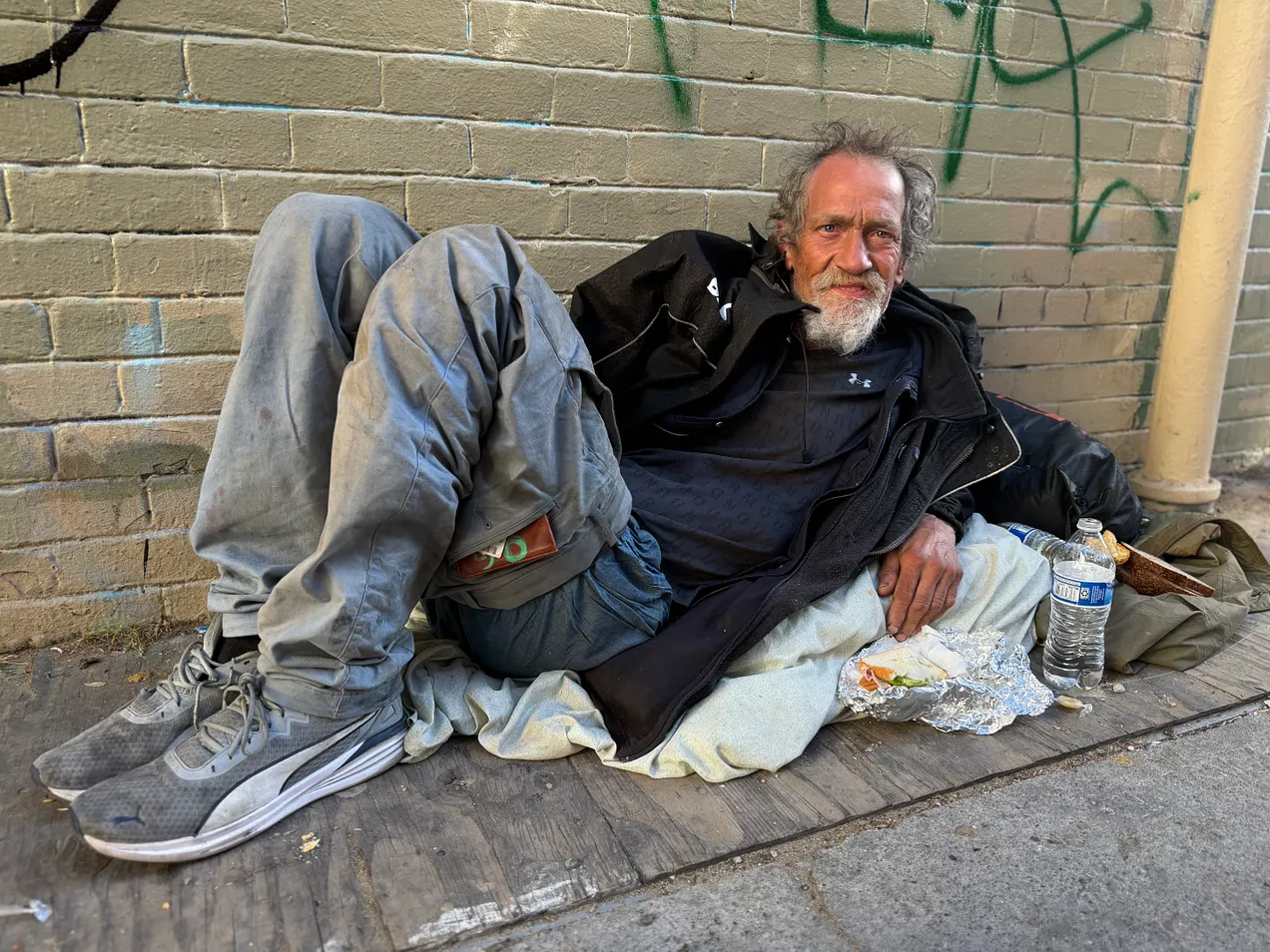
We need to separate the person who lost their job and needs short-term help from the person smoking fentanyl all day and refusing every offer of treatment. We need to bring back accountability, not because we hate homeless people, but because we want them to live. The left’s greatest failure is that it has mistaken compassion for permission. Permission to use. Permission to steal. Permission to camp anywhere. Permission to refuse help forever. Permission to destroy neighborhoods. Permission to die slowly in public while everyone around them is told to call it dignity.
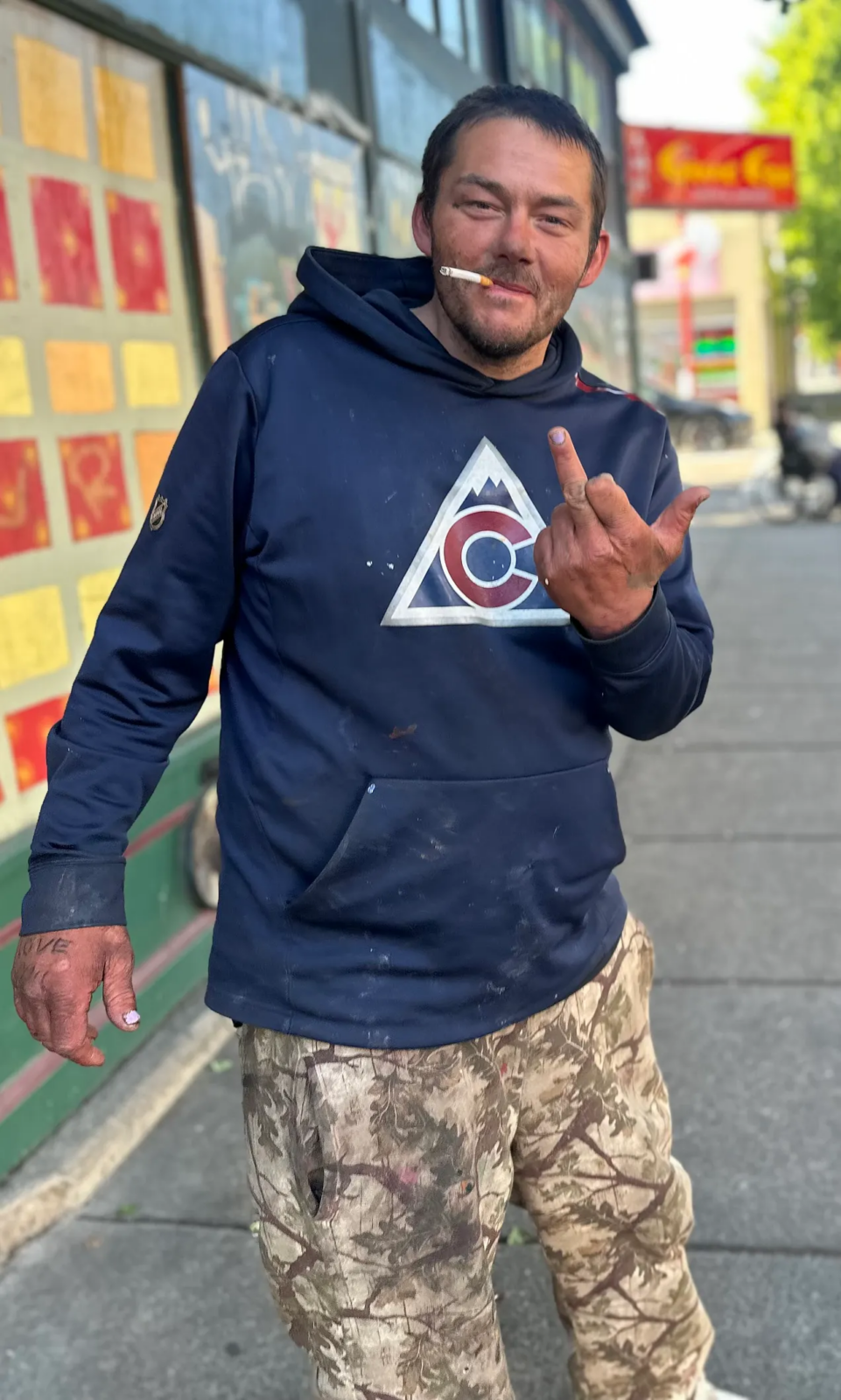
That is not love. Love intervenes. Love sets boundaries. Love tells the truth. Love says you cannot keep living like this. Love says we will help you, but we will not help you destroy yourself. Until our cities are willing to say that, nothing will change. We will keep spending billions. We will keep creating new committees. We will keep renaming programs. We will keep blaming capitalism, housing costs, and lack of funding. And the bodies will keep dropping.
The crisis will not end until we reject the ideology that created this disaster and return to common sense: treatment, accountability, shelter, enforcement, recovery, and compassion that actually saves lives. Because compassion without accountability is not compassion. It is cruelty.