Homeless, Incorporated
After decades of working inside homelessness services, I’ve learned that the greatest lie we tell ourselves is that we don’t know what works. We do. The problem isn’t a lack of data, innovation, or funding. The problem is that real solutions require decisions we are unwilling to make and truths we are afraid to say out loud.
It is easier to expand systems than to fix them. Easier to signal compassion than to practice it in ways that are uncomfortable. Easier to manage homelessness than to end it.
Most people assume homelessness persists because it is too complex to solve. In reality, it persists because solving it would disrupt an entire industry built around its permanence. Over time, the system stopped being accountable to outcomes and became accountable to itself. Programs are judged by how many people they touch, not how many people leave the streets. Success is defined by engagement, not transformation. In this environment, homelessness is no longer a crisis to be resolved, but a condition to be administered.
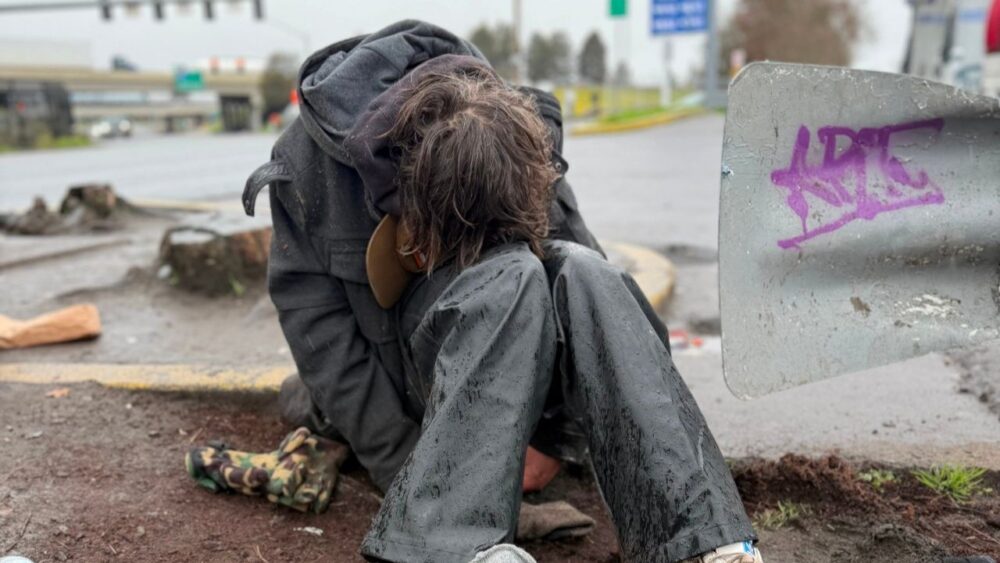
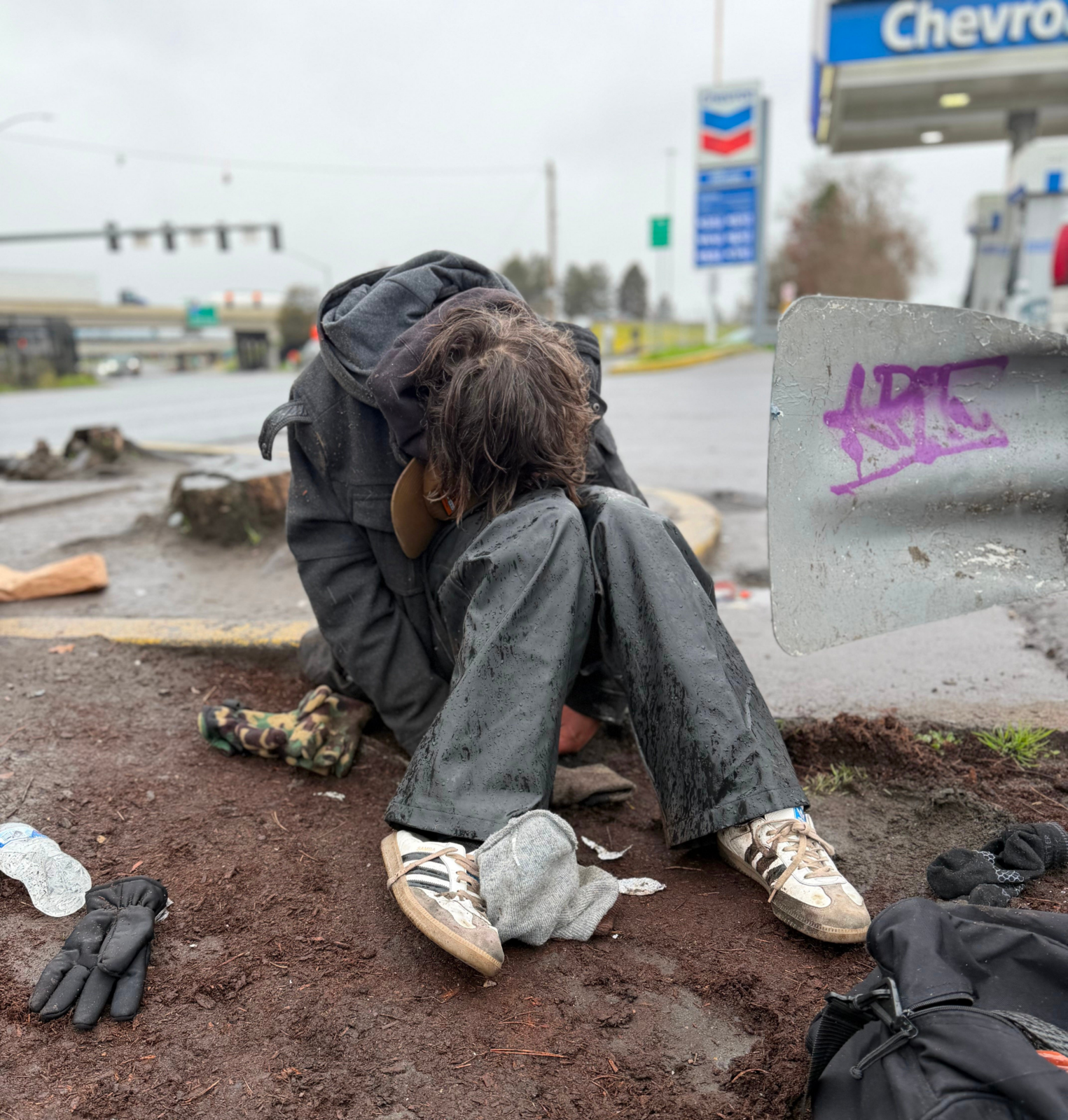
One of the hardest truths is that housing alone does not stabilize people who are deeply addicted, severely mentally ill, or both. I have watched housing placements fail because we insisted on treating housing as the solution rather than the setting in which recovery might occur. For people actively using fentanyl, methamphetamine, or alcohol at life-threatening levels, housing without treatment can become a slower form of self-destruction. When it collapses, we try again and call it trauma-informed care, quietly accepting failure as inevitable.
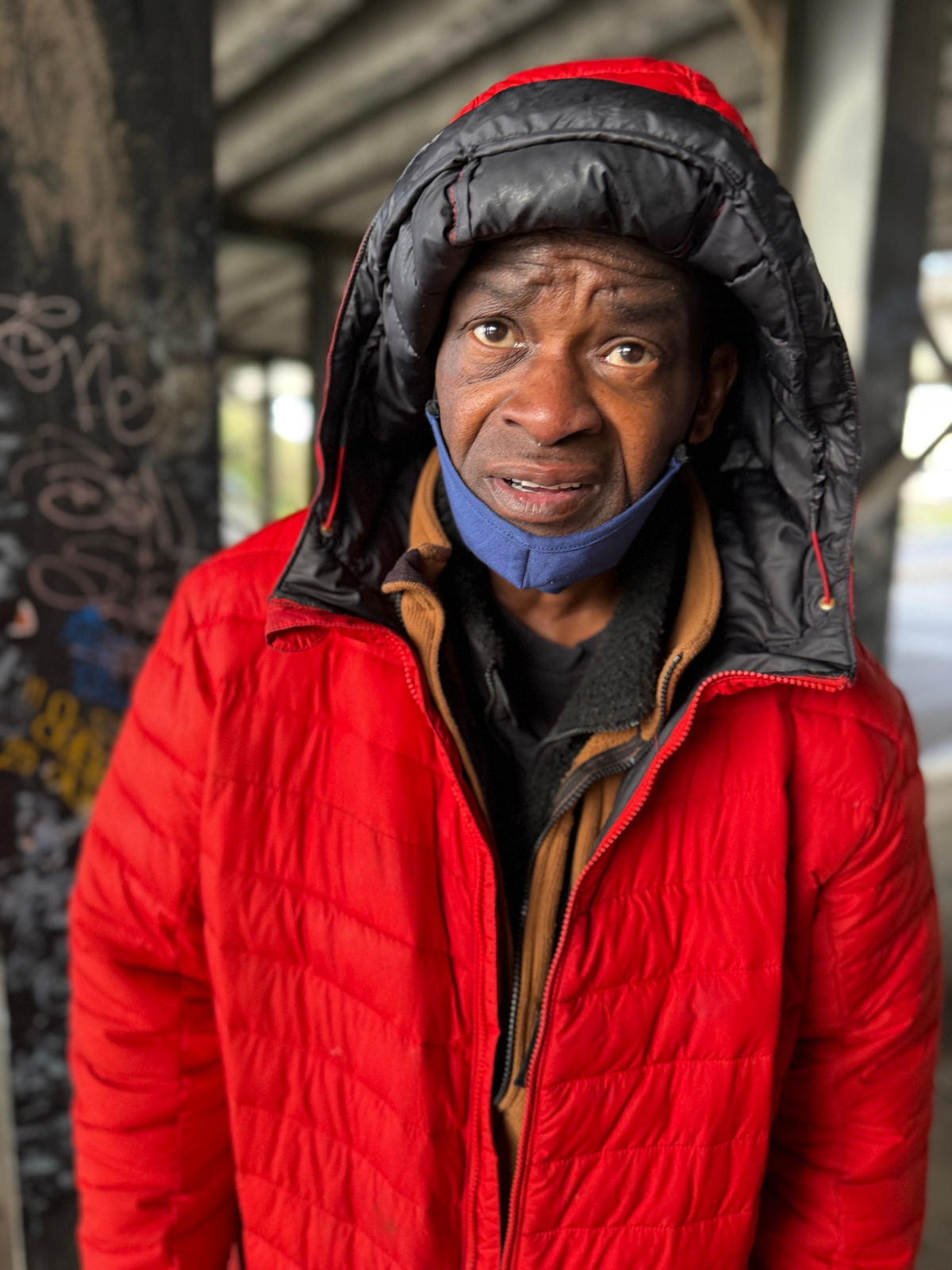
Real solutions begin with recovery, not as a moral requirement, but as a practical one. A person cannot stabilize while in the grip of serious addiction. No amount of case management, harm-reduction supplies, or wellness check-ins can substitute for sobriety when the brain itself is hijacked. Cities like Portland and Seattle know this, yet continue to build models that treat recovery as optional. We call this compassion, but too often it looks like abandonment.
Read More ›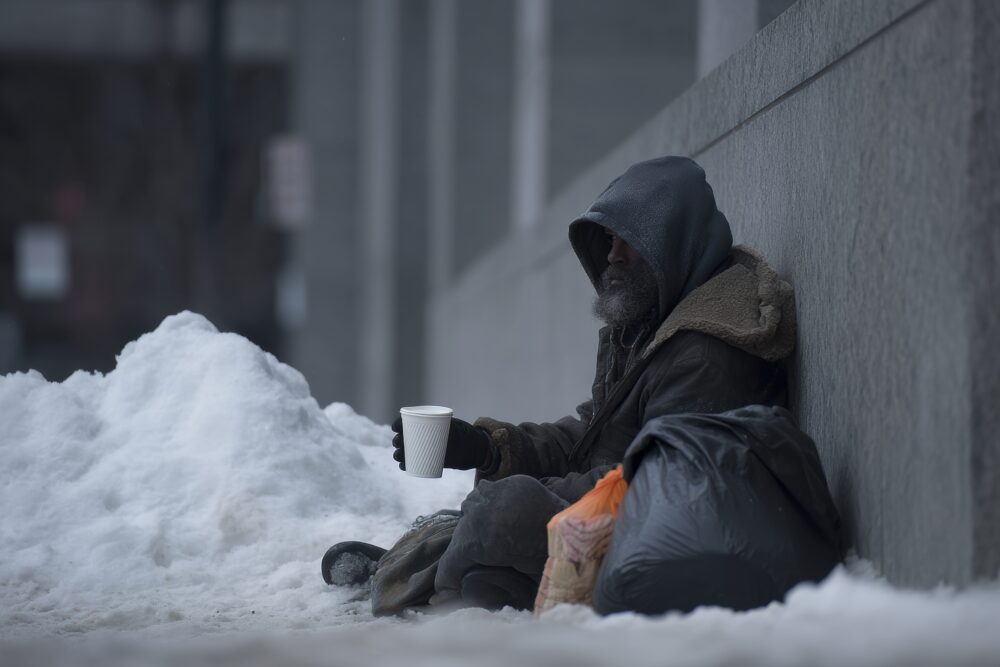
More Spending, More Suffering: The Failure of America’s Homelessness Policy
In a recent ruling that defies both logic and compassion, a federal judge has blocked the Trump administration’s effort to reform the Department of Housing and Urban Development’s (HUD) Continuum of Care program — the federal government’s primary funding mechanism for homelessness assistance.
The lawsuit — filed by a coalition of 20 mostly Democratic-led states, local governments, and nonprofit organizations and spearheaded by groups such as Democracy Forward — warns of “funding gaps,” winter instability, and the potential displacement of people currently housed. These alarms are sounded even though HUD includes a nearly 12% increase over last year’s funding allocation.
At the core of the complaint is a revealing claim: that reform would “upend longstanding projects that have been thoughtfully developed to comport with evidence-based, best-practices services delivery.”
But HUD’s own data make clear that the evidence on which they have long relied is catastrophically wrong.
Read More ›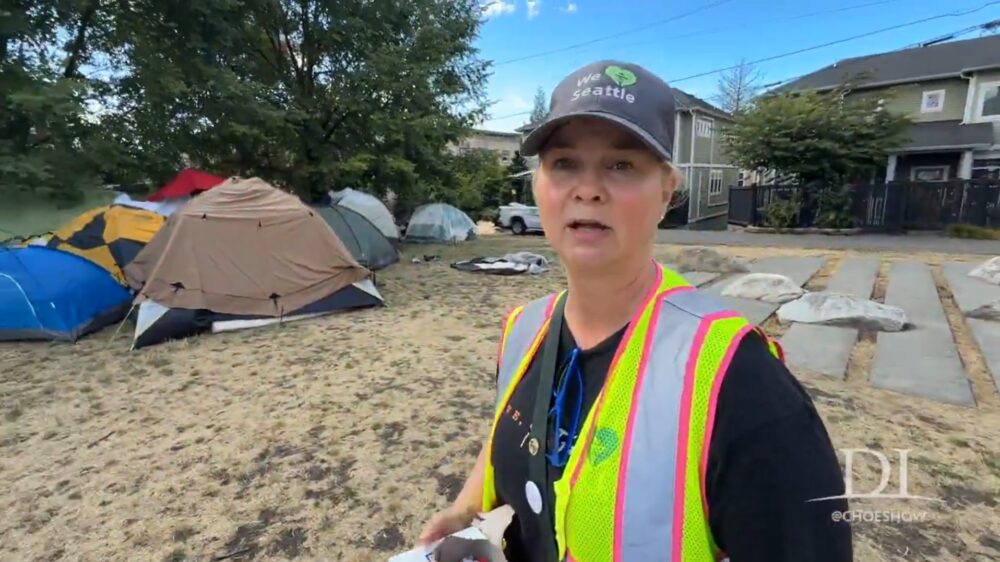
Encampment Full of Service-Resistant People Overtakes Seattle’s Seven Hills Park
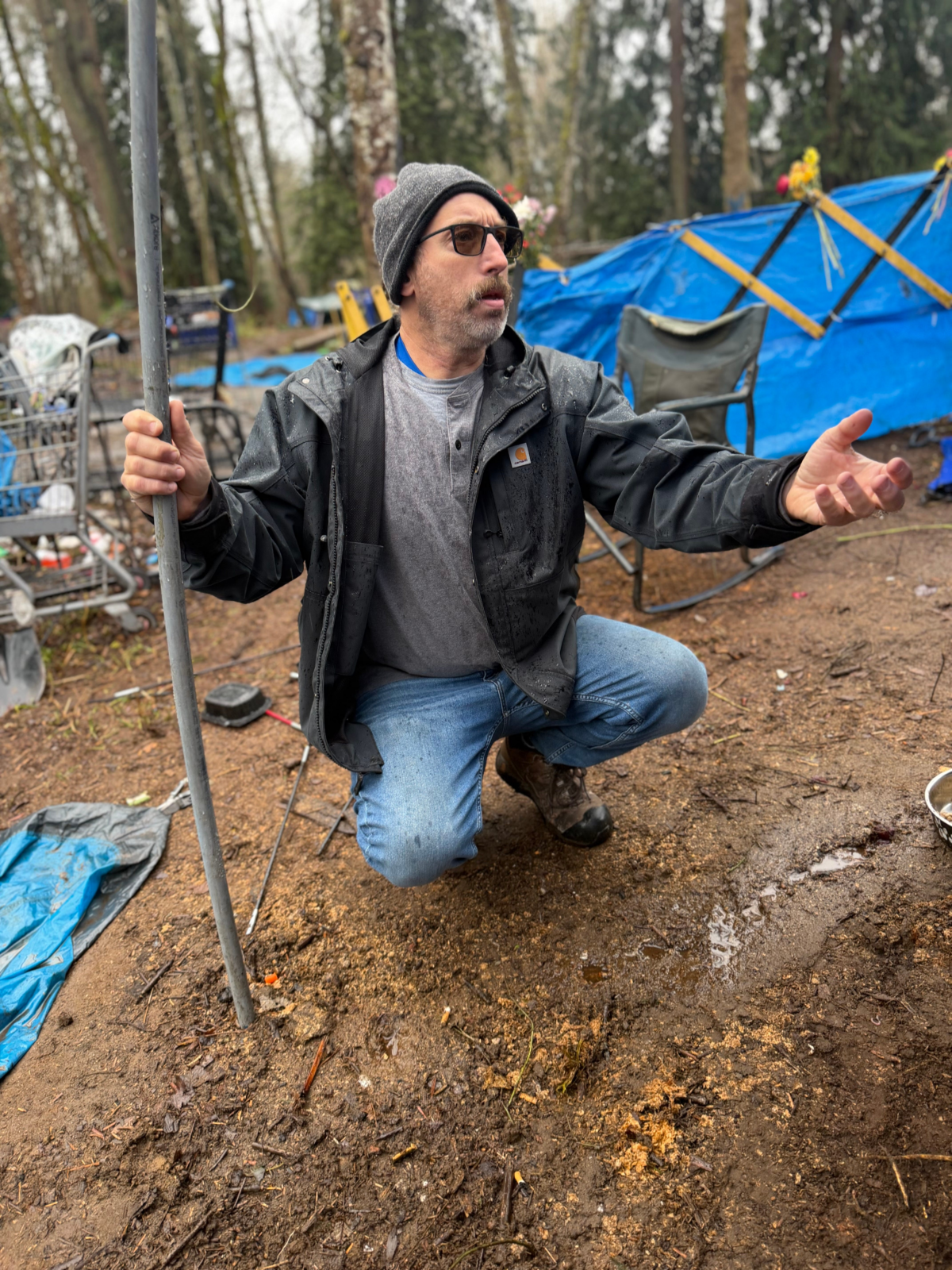
It’s Not About Housing Seattle’s Capitol Hill neighborhood is turning into another human dumping ground. Seven Hills Park is covered with more than a dozen tents. Lots of couples in their 20’s with dogs running wild. We Heart Seattle’s Andrea Suarez is doing outreach this weekend but says this is the “service resistant” crowd. People are turning down services from the city and nothing is being done about it. Don’t believe the homeless industrial complex when they say all these people just need housing. One guy here has a tiny house but comes back to pitch a tent to hang out with his homies. Another fella can go home but has to address his drug addiction. Once again, the root Read More ›
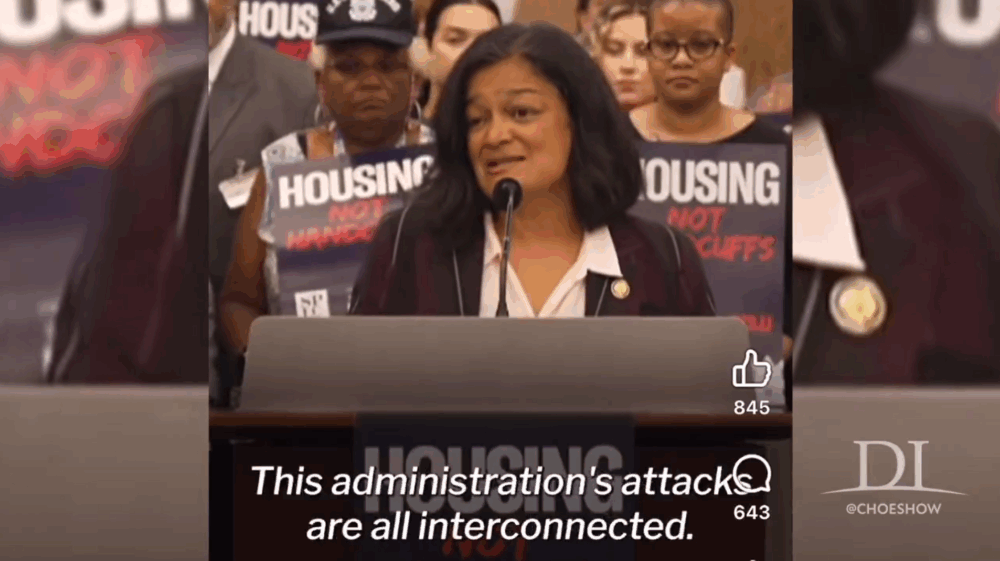
WA Congresswoman Introduces Bill to Let Homeless People Camp on Federal Land
Political Theater WA Congresswoman Pramila Jayapal just introduced a bill that allows homeless people to camp on federal land if they have no other options. This was simply political theater and won’t go anywhere. Here’s the real problem for Jayapal. Washington’s Homelessness Crisis Despite billions of dollars spent over the years, Washington state has the third largest homeless population in America with more than 31K people living on the streets. That’s likely an undercount. This is all happening under Jayapal’s watch. Jayapal’s Ideology Part of the problem is her far-left progressive ideology. Here’s what she recently told the Seattle Times: “Because I don’t think that homelessness is a failure of the individual,” she said. “I think it’s a failure of Read More ›

We Heart Seattle Models What Actually Works to Solve Homelessness
Our friends at We Heart Seattle are doing incredible work transforming lives. The testimonial below features recovering addict Stephen Dowd, who was found living in a tent before We Heart Seattle helped him get into treatment. We Heart Seattle is modeling what actually works to rescue people from homelessness. “Everybody else is focused on getting somebody housed,” says We Heart Seattle’s Tim Emerson. “I’m more focused on getting somebody better and then housed.”
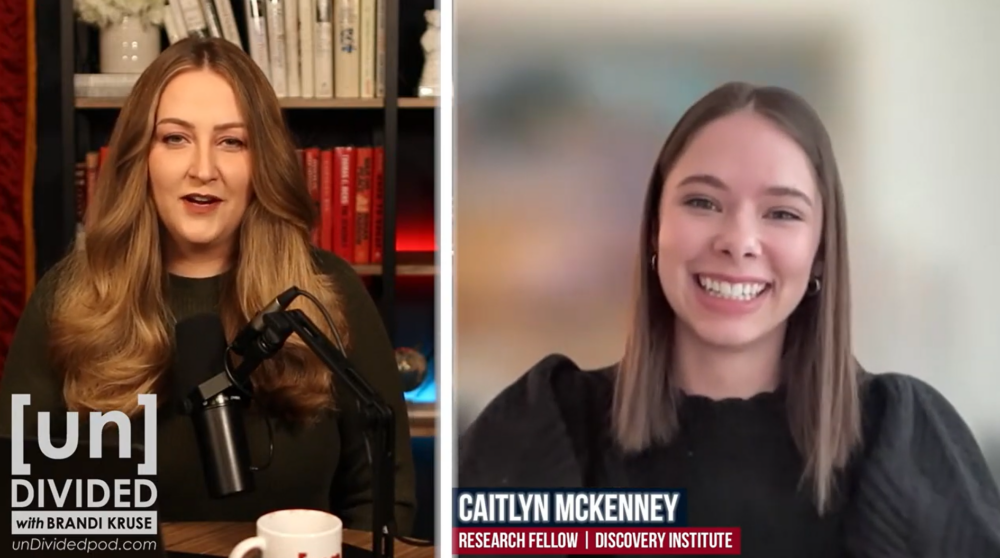
Caitlyn McKenney Discusses Her Seattle Times Op-Ed with Brandi Kruse
Discovery Institute Research Fellow Caitlyn McKenney appeared on [un]Divided with Brandi Kruse this week to discuss McKenney’s op-ed in The Seattle Times, “Sensible WA Tenancy Laws Will Help Housing Stability.” McKenney argues that nonsensical laws protecting tenants from eviction cause harm to housing stability. This is substantiated by emergency funding applications from Seattle affordable housing units, documenting the assaults, unsafe and unsanitary conditions, drug use, arson, and other criminal activity occurring without any recourse. “Instead of mandating rent control, lawmakers should provide housing stability by enacting smart landlord-tenant laws,” writes McKenney. Watch McKenney and Kruse discuss.

Is Housing a Human Right?

Sensible WA Tenancy Laws Will Help Housing Stability
The Washington Legislature is considering a bill aimed at “improving housing stability for tenants” by capping rent increases at 7% and fees at 1.5% of monthly rent. Instead of mandating rent control, lawmakers should provide housing stability by enacting smart landlord-tenant laws.
More than half of Seattle residents are renters, and the growing dysfunction in Seattle’s affordable housing market offers cautionary insights into the meaning of housing stability. Last summer, the city distributed $14 million in emergency funding to affordable housing providers on the brink of collapse. If there is any picture painted by the applications for funding, it is one of housing instability.
The applications, which are public records, document what has happened in some of Seattle’s affordable housing: assaults, fecal matter in the hallways and on walls, needles in the stairwells, a unit operating as a methamphetamine lab, residents engaged in arms dealing, community room couches set on fire, the rape of a homeless woman and a fire started by a resident soldering Lime Scooter batteries together.
Read More ›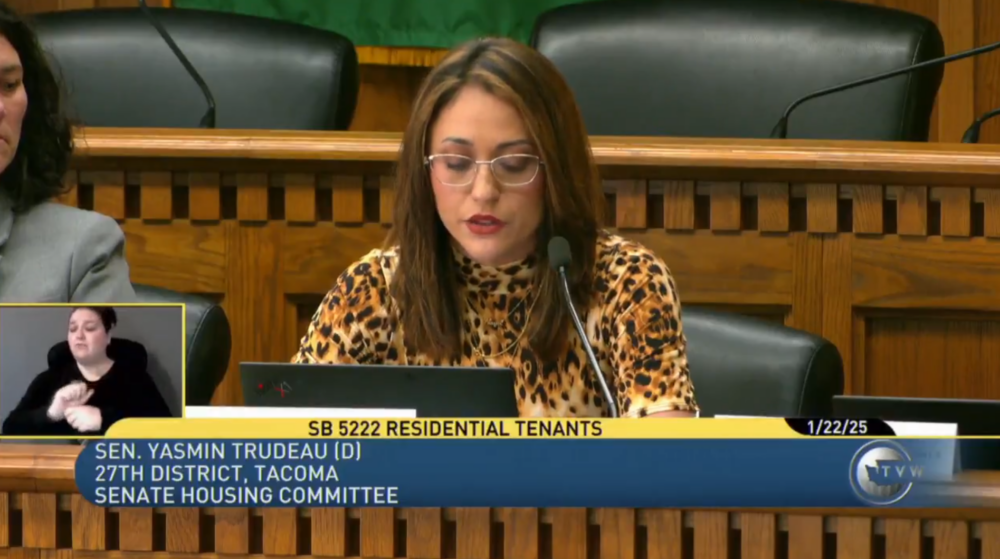
Washington State Debates Rent Control
SB 5222 WA’s Senate Housing Committee heard testimony on SB 5222, a bill that would mandate a 7% cap on rent increases (aka rent control). If you care about the cost of housing, watch these key moments from expert testimony. But first, the bill’s sponsor asking for grace. PRO PRO price cap: Bryce Yadon says renters “deserve the same assurance I have that my mortgage won’t increase 25% in a single year because the bank decided they didn’t plan.” “I’ll have to do some research…” Sen Chris Gildon asks Bryce for an example of where rent control has worked. “I’ll have to do some research and get back to you.” Counter-Question Sen Alvarado (who introduced the bill as a Rep Read More ›