From an Old Addiction Baseline to a New Epidemic
The following excerpt is from a Christianity Today article written by Marvin Olasky, the magazine’s editor in chief as well as a Discovery Institute Senior Fellow. Olasky makes reference to an article written by our Project Coordinator and Research Fellow Marsha Michaelis, titled “Washington’s Homelessness and Drug Policies Have Created a Culture of Death and Disorder.” Olasky provides further insight on this important topic with compassion and conviction. We encourage our readers to read the full article at Christianity Today.
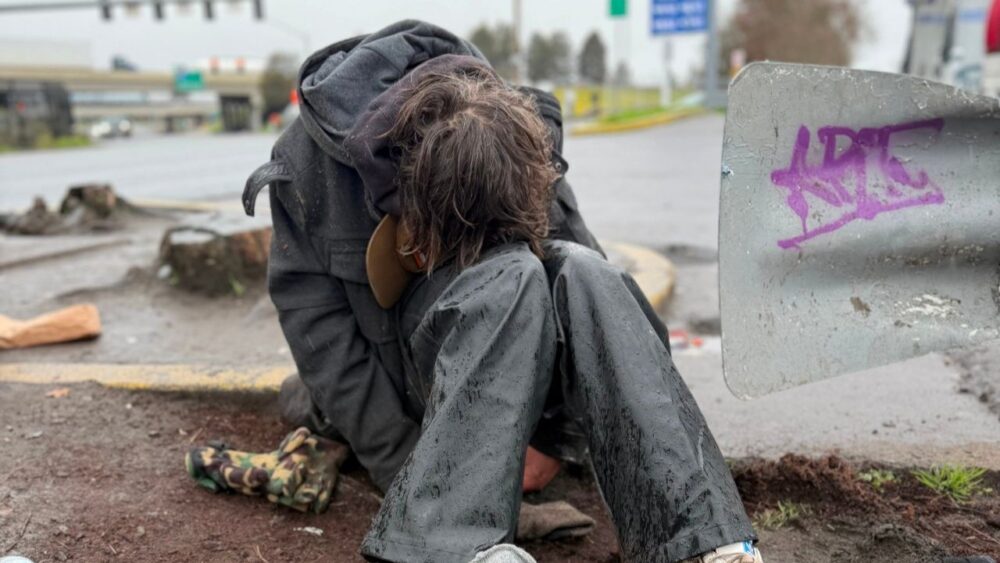
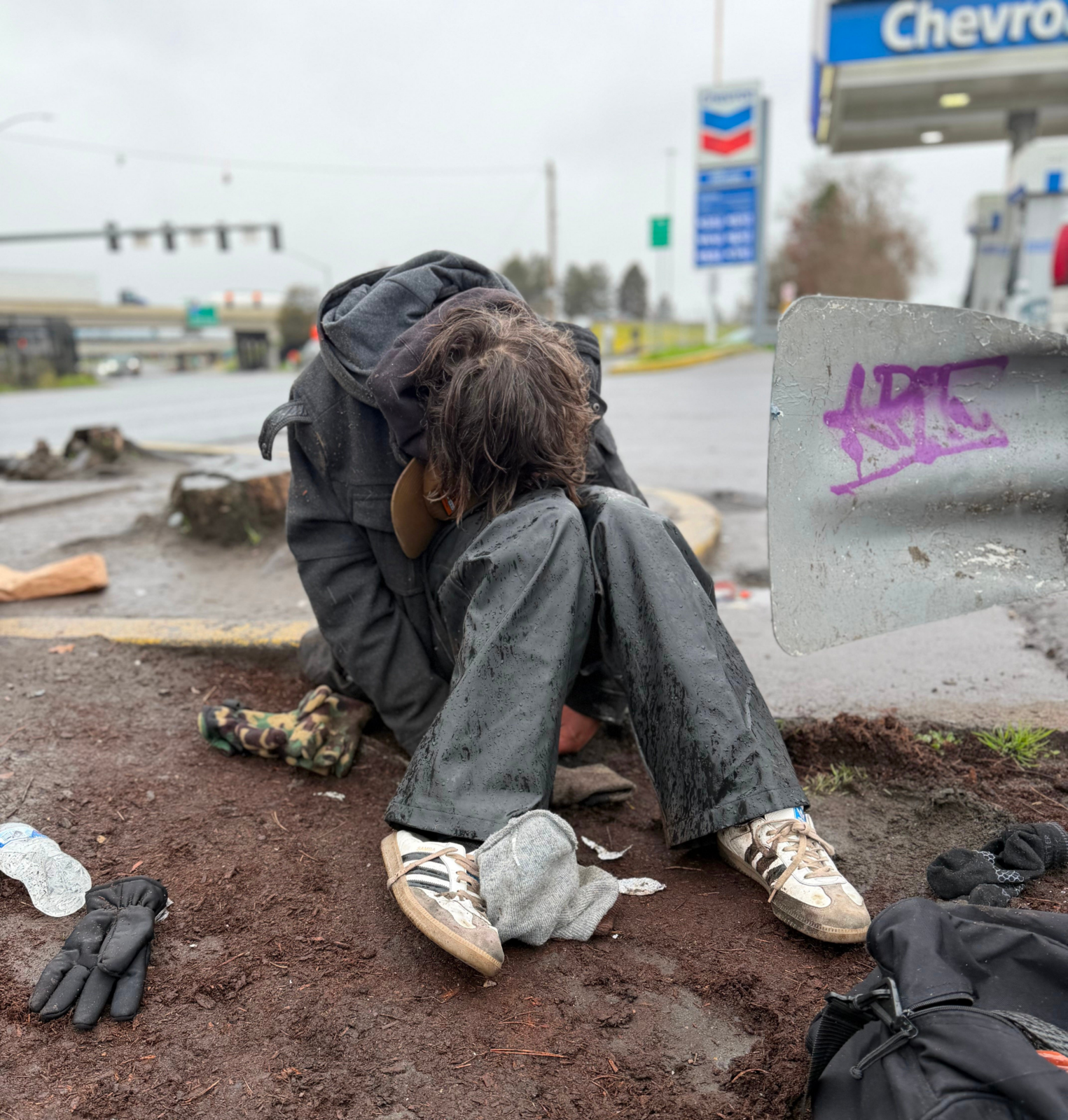
Addiction is nothing new in our country. Sometimes it’s hidden away and people with abnormal habits can still lead mostly normal lives. But numerous studies over the years have linked substance abuse and homelessness.
One oft-cited study showed that more than four out of five chronically homeless people have had alcohol or drug problems. That’s over a lifetime, but another study tested 400 homeless people on the St. Louis streets and shelters for recent cocaine use: Most had detectable amounts.
Jeremiah is a formerly homeless man whom I met at Eden Village, a refuge for the formerly homeless in Springfield, Missouri. He told me about two vivid memories. The first was a one-time disaster: His home burned when he was a child, and Jeremiah made it out with his grandparents and stepdad. But his mom went back in for his sister and never came out.
Read More ›