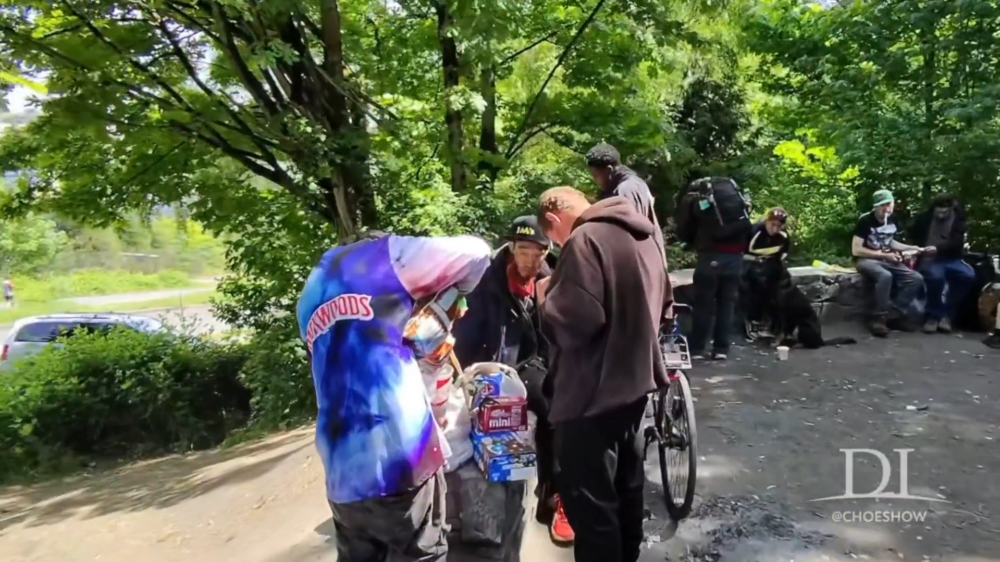
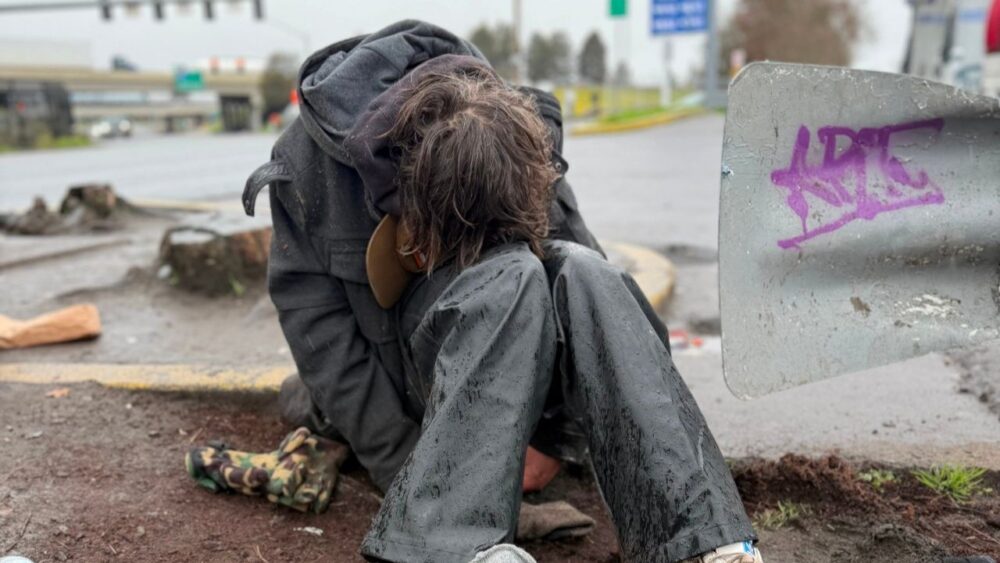
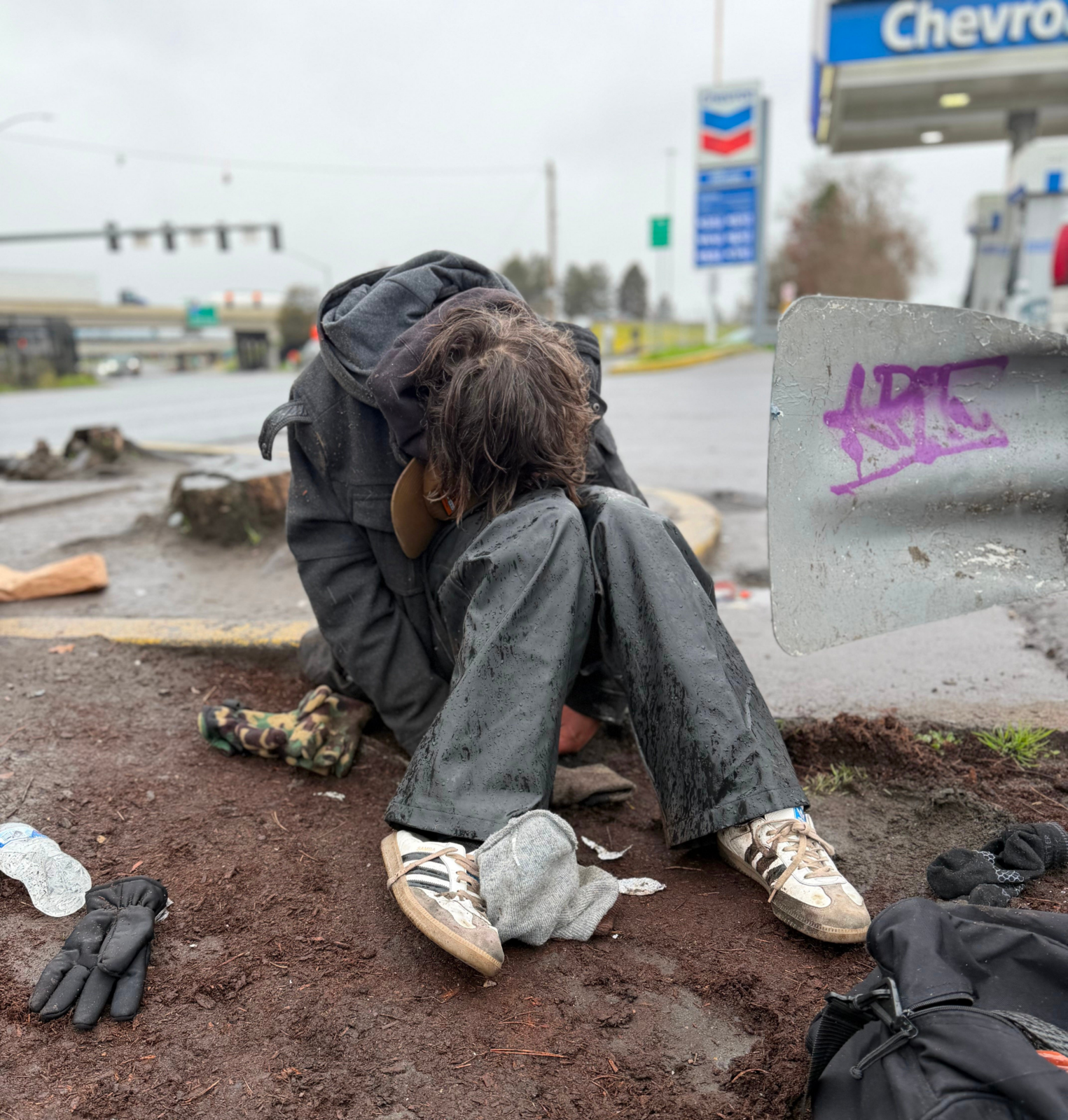
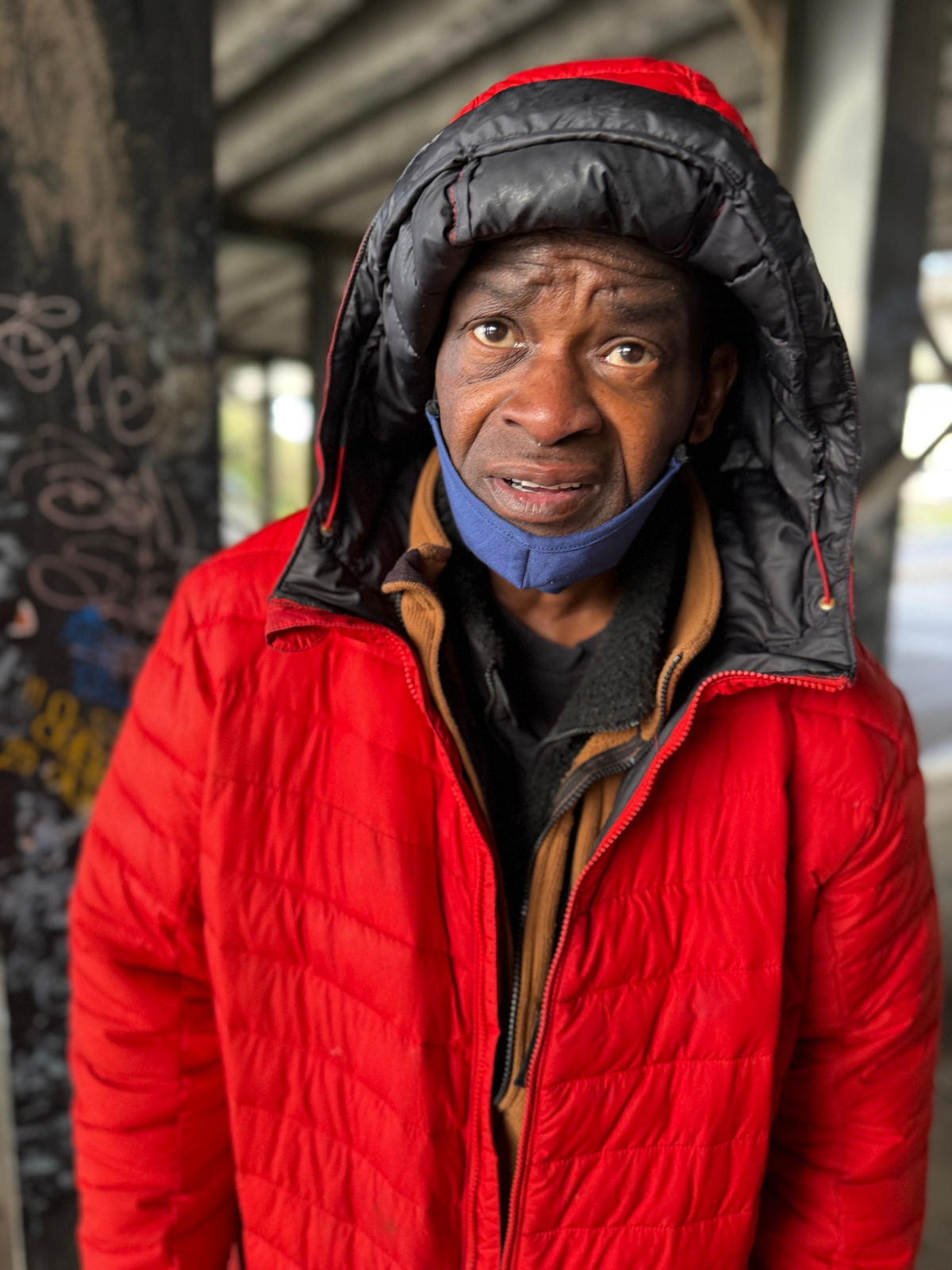
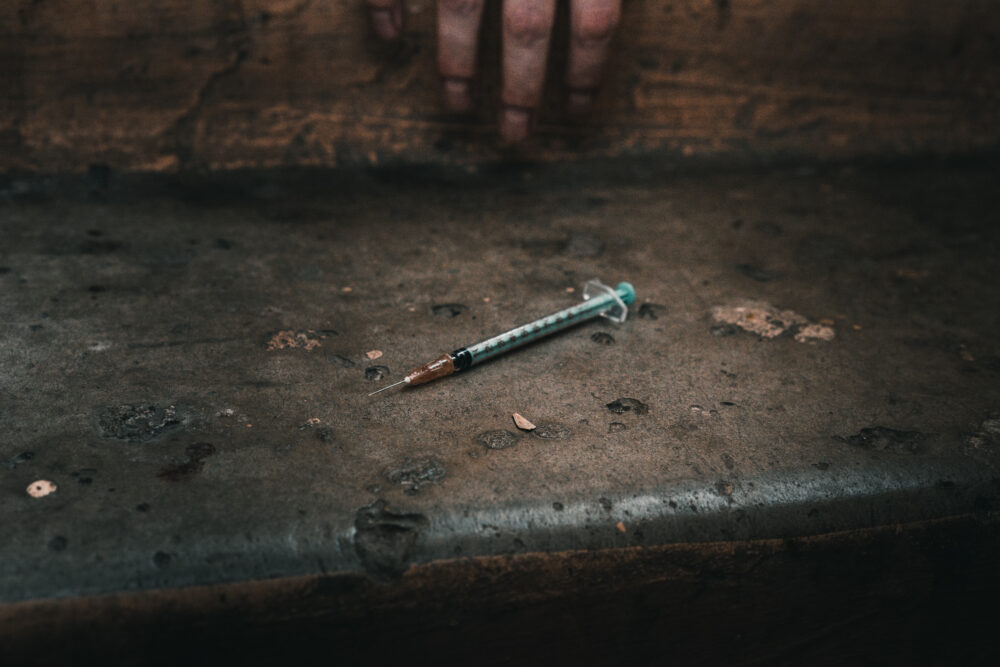
Disaster Area Why is Seattle’s Lewis Park still open? It is a full blown drug den and playground for addicts, fentanyl dealers, and sex traffickers. It’s also home to many missing people. We Heart Seattle’s Andrea Suarez and I went looking for Benjamin George Petry this week. Sadly, we did not find him. But we saw so many problems on full display like the inflow crisis. Most of the people slinging meth and fetty aren’t even from this area. We also met a baby faced 19-year-old addicted to all kinds of drugs. Meanwhile, elected officials are paralyzed by this issue and the city has turned into a lawless playground.
After decades of working inside homelessness services, I’ve learned that the greatest lie we tell ourselves is that we don’t know what works. We do. The problem isn’t a lack of data, innovation, or funding. The problem is that real solutions require decisions we are unwilling to make and truths we are afraid to say out loud.
It is easier to expand systems than to fix them. Easier to signal compassion than to practice it in ways that are uncomfortable. Easier to manage homelessness than to end it.
Most people assume homelessness persists because it is too complex to solve. In reality, it persists because solving it would disrupt an entire industry built around its permanence. Over time, the system stopped being accountable to outcomes and became accountable to itself. Programs are judged by how many people they touch, not how many people leave the streets. Success is defined by engagement, not transformation. In this environment, homelessness is no longer a crisis to be resolved, but a condition to be administered.
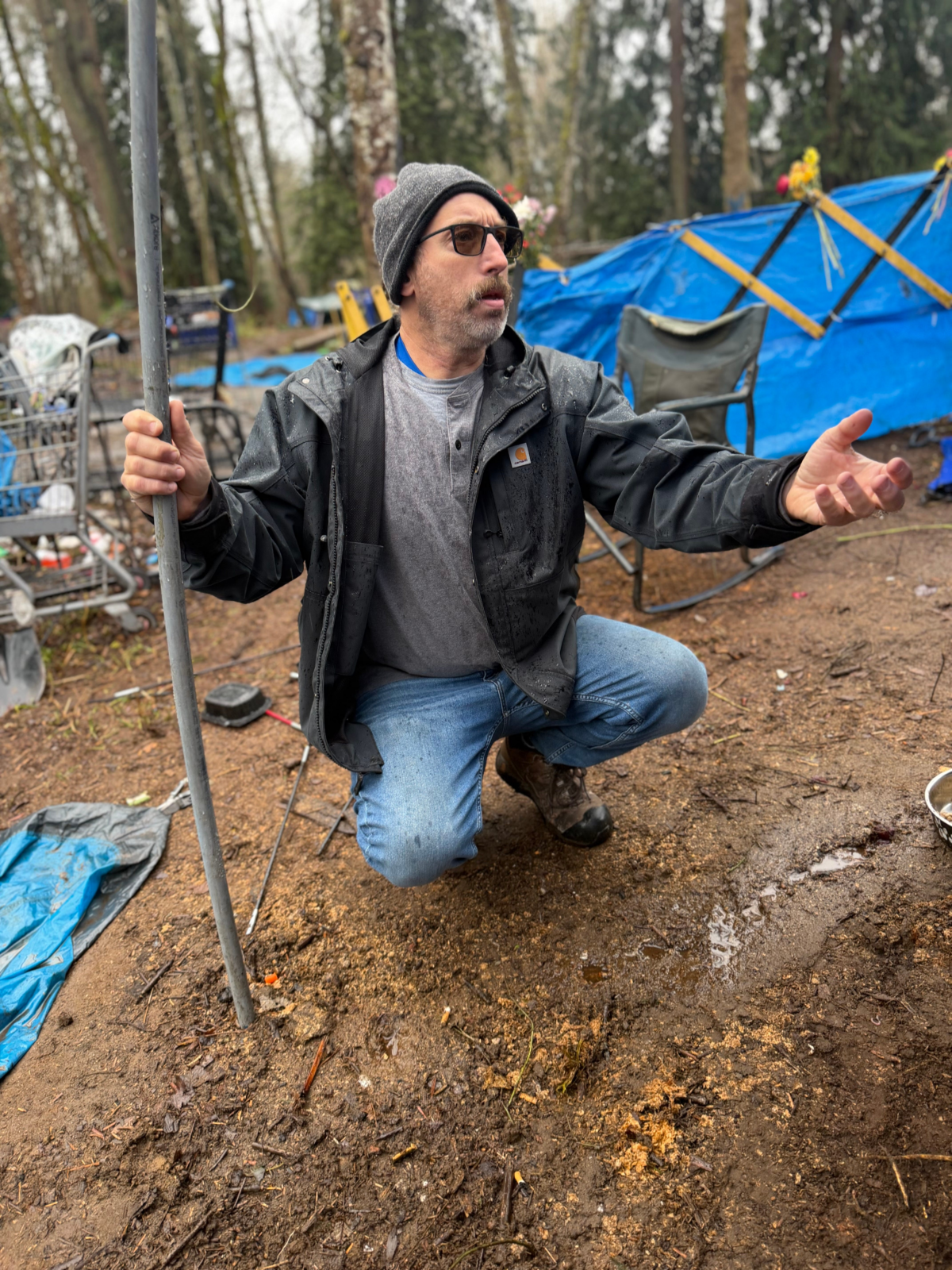
My brother Jason, who is formerly homeless, giving hope to current homeless
One of the hardest truths is that housing alone does not stabilize people who are deeply addicted, severely mentally ill, or both. I have watched housing placements fail because we insisted on treating housing as the solution rather than the setting in which recovery might occur. For people actively using fentanyl, methamphetamine, or alcohol at life-threatening levels, housing without treatment can become a slower form of self-destruction. When it collapses, we try again and call it trauma-informed care, quietly accepting failure as inevitable.
Real solutions begin with recovery, not as a moral requirement, but as a practical one. A person cannot stabilize while in the grip of serious addiction. No amount of case management, harm-reduction supplies, or wellness check-ins can substitute for sobriety when the brain itself is hijacked. Cities like Portland and Seattle know this, yet continue to build models that treat recovery as optional. We call this compassion, but too often it looks like abandonment.
Last week we gave our third annual set of Zenger Prizes to ten journalists for articles or podcasts that emphasize good street-level reporting and a willingness to see that all human beings have value. One of the winners we announced is Sam Quinones, for an article he wrote in The Atlantic updating his acute analysis of America's drug crisis. Read More ›