Fix Homelessness How to rebuild human lives
Topic

Donald Trump

Photo-Feb-18-2024-12-40-24-PM
Photo courtesy of Kevin Dahlgren

America’s Homelessness System Must Pursue Self-Sufficiency, Not Simply Housing

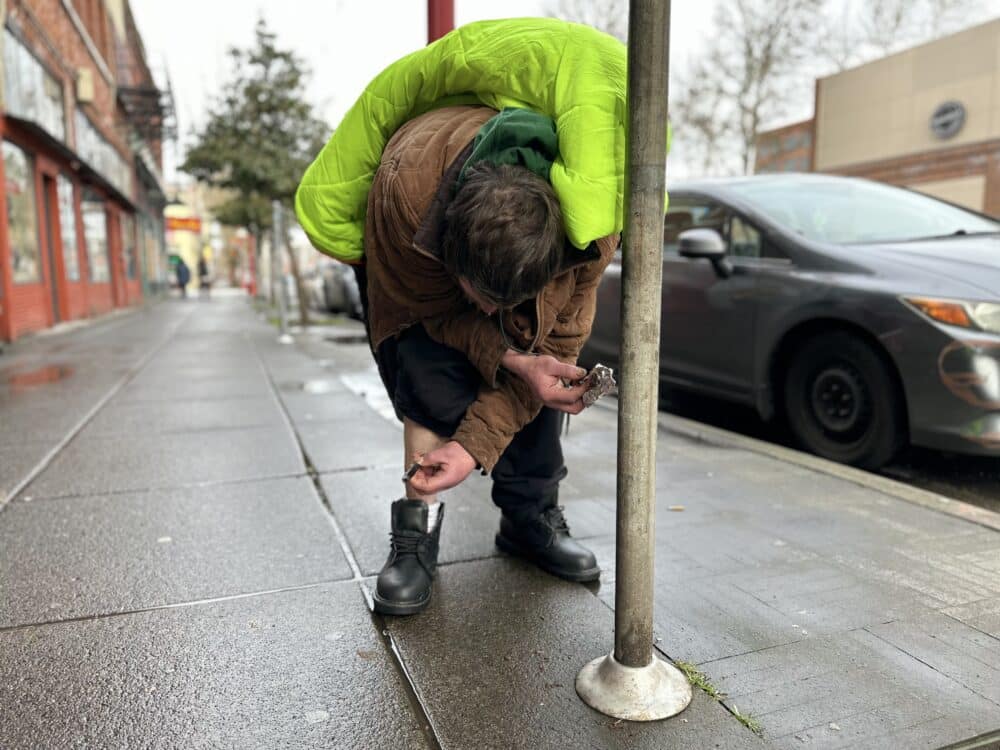
For more than a decade, America’s homelessness system has largely measured success by a single metric: whether someone is housed. In the process, what should have been a milestone on the journey to self-sufficiency became the destination itself. Housing is important, but making it the finish line set the bar devastatingly low for both the system and the people it serves. We now routinely confuse housing placement with transformation and occupancy with human flourishing. As a result, too many people remain trapped in addiction, untreated mental illness, dependency, and isolation, yet are counted as successes because the system measures where they sleep rather than whether they are healing, rebuilding, and moving toward self-sufficiency. This was never what most Americans envisioned …

Photo-Apr-04-2024-6-55-34-PM
Photo courtesy of Kevin Dahlgren

Housing First Failed America’s Homeless

When a policy intended to help vulnerable people actually harms them, the ethical response is immediate: Stop, reassess and tell the truth. That was why, in January 1996, a team of doctors at the Seattle-based Fred Hutch Cancer Center dramatically halted the active phase of a study assessing the benefits of beta-carotene and vitamin A supplements for people at high risk of developing lung cancer. Leading up to the study, Hutch News reported, “public enthusiasm for the purported health benefits of beta-carotene was so high, ‘people thought it would be unethical to assign participants to the placebo group.’” It turns out the placebo takers were the lucky ones. Among the 18,314 participants, those receiving supplements “had a 28 percent greater Read More ›

young-man-sleeping-or-passed-out-against-a-graffiti-covered-1001436264-stockpack-adobestock
Young man sleeping or passed out against a graffiti-covered wall in an urban setting, wearing a hoodie and oversized jacket, suggesting themes of homelessness, poverty, addiction, or street life
Image Credit: Filirovska - Adobe Stock

Addiction Is a Disease — Policy May Finally Catch Up

More than 48 million Americans are battling substance use disorder. Many are deteriorating in plain sight — on sidewalks, in encampments, and in emergency rooms. Others decline behind closed doors. Overdoses are shattering families, especially within the homeless population where the death rate among people living on the streets has surged by 77 percent. Yet in a media landscape quick to amplify controversy but slow to recognize consequential reform, President Donald Trump’s executive order to overhaul America’s addiction response passed with remarkably little national attention. It shouldn’t have. At its core, the order affirms a truth long understood by those who have worked on the front lines: no man or woman living with addiction ever dreamed of this life. When Read More ›

PresidentObamadeliversastatementontheParisClimateAg
Public Domain image at Wikimedia Commons: https://commons.wikimedia.org/wiki/File:President_Obama_delivers_a_statement_on_the_Paris_Climate_Agreement.jpg

Obama Admits Housing First was a Losing Strategy

Last weekend, former President Barack Obama acknowledged a blunt political reality: “The average person doesn’t want to have to navigate around a tent city in the middle of downtown … and we’re not going to be able to generate support [for treatment] if we simply say, ‘It’s not their fault, they should be able to do whatever they want,’ because that’s a losing political strategy.”

What makes the remark notable is not merely its candor. It is the history behind it.

It was the Obama administration that institutionalized the federal government’s one-size-fits-all embrace of Housing First in 2013. They promised the approach would end homelessness within a decade by prioritizing immediate housing placement.

The theory was simple: Housing would stabilize lives.

But the results have been anything but stabilizing.

Read More ›
a-homeless-man-in-winter-clothing-sits-on-snowy-pavement-aga-1723925788-stockpack-adobestock
A homeless man in winter clothing sits on snowy pavement against a wall, holding a cup, with bags and snow surrounding him
Image Credit: Promptalo - Adobe Stock

More Spending, More Suffering: The Failure of America’s Homelessness Policy

In a recent ruling that defies both logic and compassion, a federal judge has blocked the Trump administration’s effort to reform the Department of Housing and Urban Development’s (HUD) Continuum of Care program — the federal government’s primary funding mechanism for homelessness assistance.

The lawsuit — filed by a coalition of 20 mostly Democratic-led states, local governments, and nonprofit organizations and spearheaded by groups such as Democracy Forward — warns of “funding gaps,” winter instability, and the potential displacement of people currently housed. These alarms are sounded even though HUD includes a nearly 12% increase over last year’s funding allocation.

At the core of the complaint is a revealing claim: that reform would “upend longstanding projects that have been thoughtfully developed to comport with evidence-based, best-practices services delivery.”

But HUD’s own data make clear that the evidence on which they have long relied is catastrophically wrong.

Read More ›
RobReiner26690767322WikimediaCommons
Image by Montclair Film at Wikimedia Commons: https://commons.wikimedia.org/wiki/File:Rob_Reiner_(26690767322).jpg

Tragic Tales Demand Reform

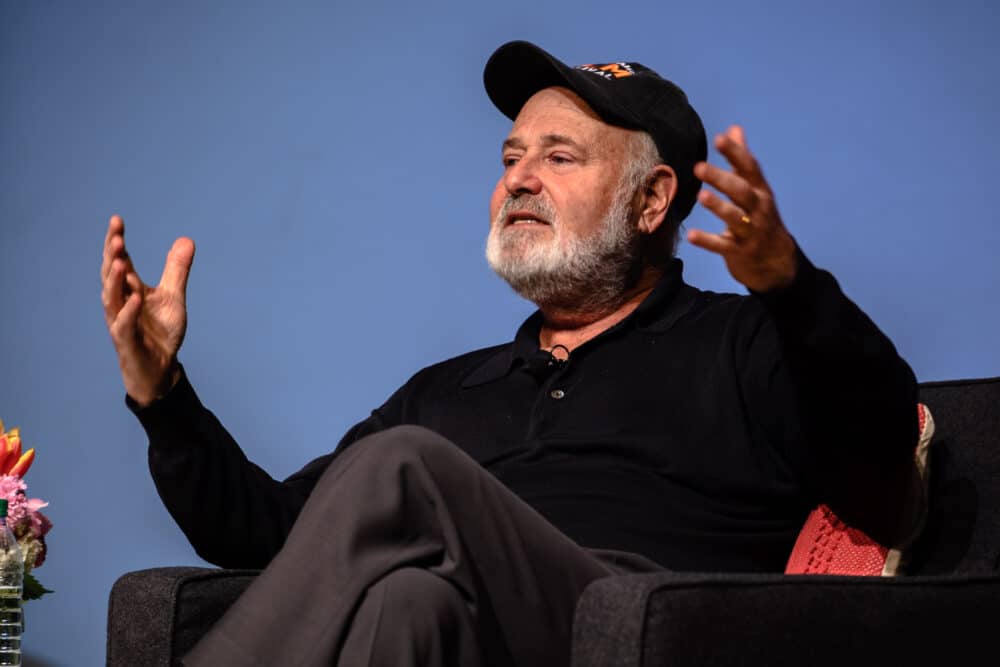
Across America’s streets, the homeless epidemic is claiming lives, fracturing families, and eroding public safety. Often deeply intertwined with mental illness and addiction, it has become a humanitarian crisis that traps vulnerable individuals in cycles of dependence and despair while destabilizing the communities around them. This crisis has been worsened by policies that elevate the notion of “freedom” over timely, life-saving intervention. Recent events make the consequences of that choice unmistakably clear. Continuing on the current path is neither humane nor responsible. Consider what unfolded in New York City over the holidays. A woman with a documented history of serious mental illness and homelessness was released from psychiatric care, only to purchase a knife hours later, then repeatedly stab a Read More ›

54989488797282e108913o
Public Domain image from HUD's Flickr account: https://www.flickr.com/photos/hudopa/54989488797/in/album-72177720330976876

HUD Secretary Champions Efforts to Treat Root Causes of Homelessness

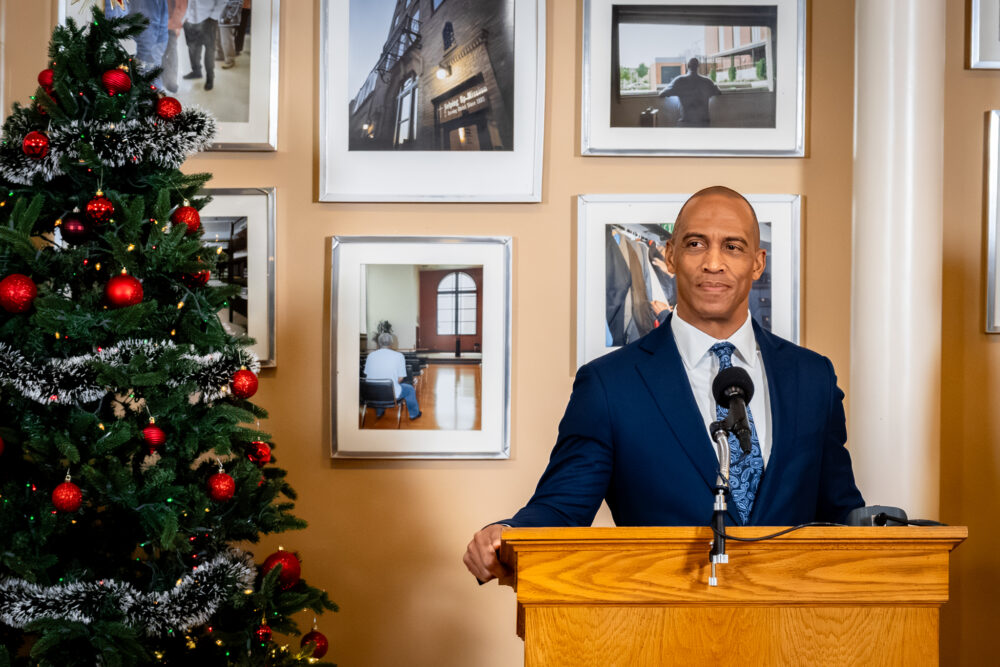
On December 16, HUD Secretary Scott Turner toured facilities at the Helping Up Mission in Baltimore, Maryland, a faith-based organization serving the homeless for 140 years. This visit was part of a larger tour in which Turner will visit facilities that are successfully helping people transition from homelessness to self-sustained living as HUD reexamines its approach to homelessness. WMAR 2 News reports: U.S. Housing and Urban Development Secretary Scott Turner toured Helping Up Mission’s men’s recovery campus today, meeting with clients and staff to learn how healthcare, recovery, job training and faith work together to address homelessness. Turner said models like this are key to helping people move toward independence rather than long-term dependence. For nearly 140 years, Helping Up Read More ›

Screenshot-2025-12-17-135506

HUD Secretary: We Must “Treat the Root Cause,” Not Just House the Homeless

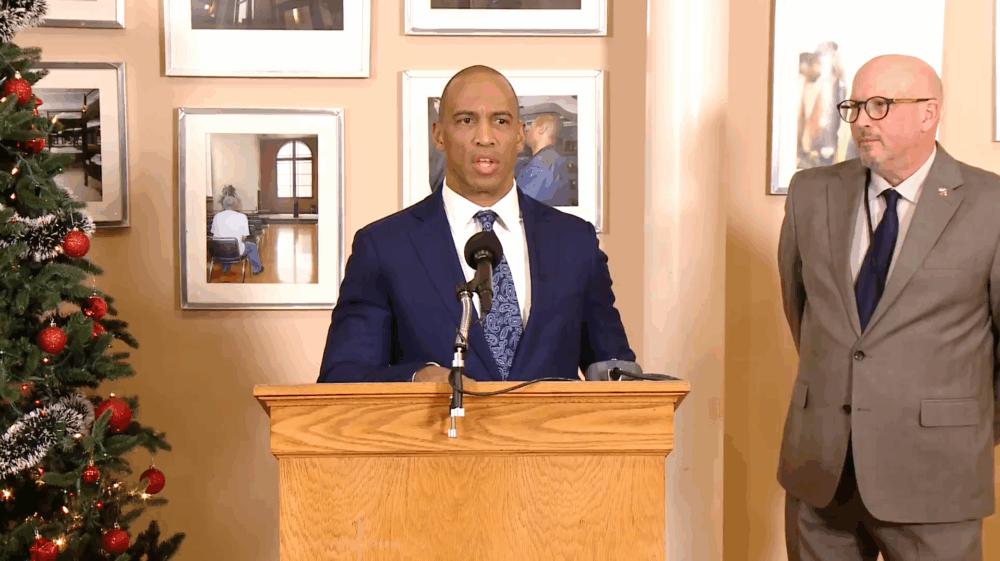
Tackling the Root Causes HUD Secretary Scott Turner takes direct aim at America’s “homeless industrial complex” and says the the days of “warehousing people” are over. The Trump administration is reallocating federal dollars to tackle the root causes of homelessness like drug addiction and mental illness. This plan could cripple so called Housing First programs that do not require people to find jobs or enter drug treatment. Many of these understaffed facilities under Housing First also trigger the most 911 calls in cities, allow drug use behind closed doors, and attract an inordinate amount of crime to neighborhoods. California and WA are ranked in the top three for overall homelessness in the nation. But elected officials in these states are Read More ›

News-Nation-Oct-report-Jonathan-Choe-Infiltrated-2

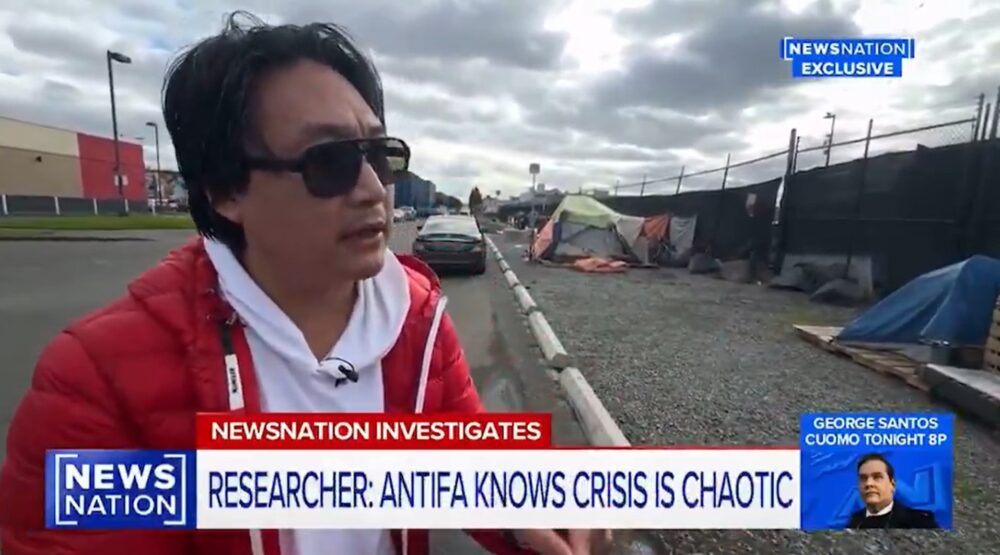
News Outlets Abuzz Over Report Detailing Relationship Between Homeless Industry and Antifa

Earlier this month, and in cooperation with Discovery Institute, Capital Research Center published “Infiltrated: The Ideological Capture of Homeless Advocacy.” Since then, reporter and Senior Fellow Jonathan Choe presented the report directly to President Donald Trump, and now news outlets like Daily Mail and NewsNation are following up with their own reporting on the crisis. NewsNation NewsNation sent reporter Rich McHugh to Seattle, where he interviewed Jonathan Choe, We Heart Seattle founder Andrea Suarez, and Seattle Police Officers Guild president Mike Solan about the crossover between far-left radicals and industries purported to help the homeless. From the NewsNation report: A report from two conservative think tanks alleged that members of antifa, the decentralized antifascist movement, have embedded themselves within the Read More ›

Jonathan-Choe-at-White-House-TPUSA

Jonathan Choe Presents Infiltration of Homelessness Industry Report to President

Discovery Institute Senior Fellow Jonathan Choe was recently invited to the White House, along with several other independent journalists, to discuss Antifa. He used the opportunity to present the new Capital Research Center report, “Infiltrated,” that was produced in cooperation with Discovery Institute.