
Fix Homelessness How to rebuild human lives

Housing First Failures

When Ideology Overrules Common Sense

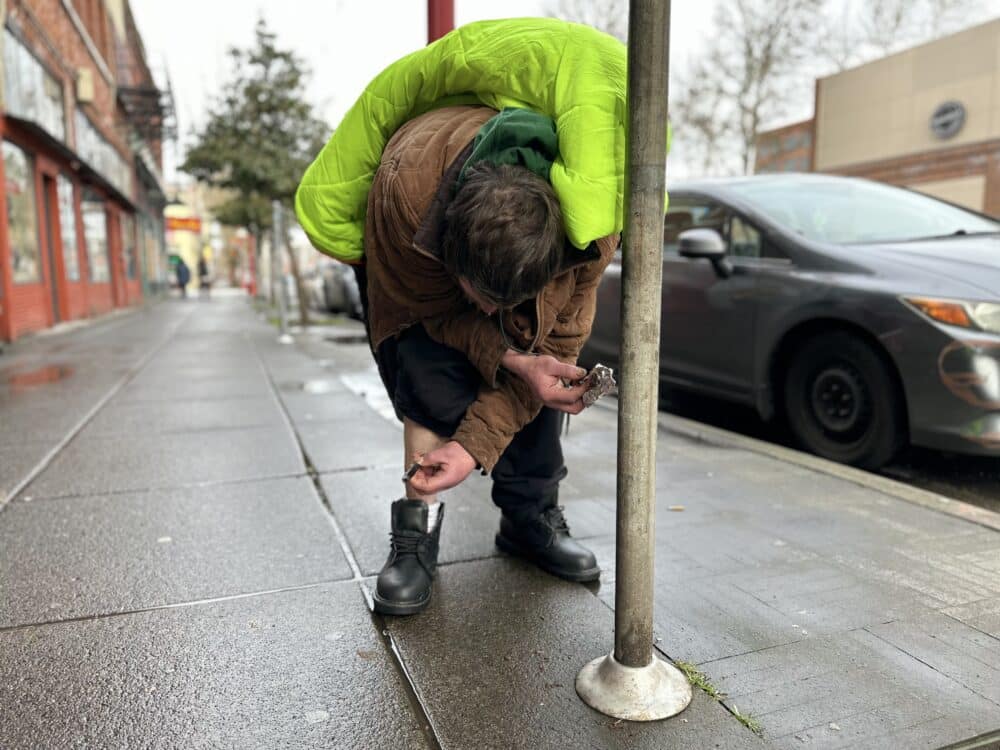
For years, the political left has controlled the conversation around homelessness, addiction, and mental illness in most major West Coast cities. They control the nonprofits. They control the bureaucracies. They control the county commissions, the grant systems, the academic language, and most of the policy decisions. And yet the crisis keeps getting worse. That should tell us something. At some point, we have to stop judging these policies by their intentions and start judging them by their results. Because no matter how compassionate the language sounds, the outcome is obvious to anyone willing to walk the streets: more tents, more overdoses, more untreated mental illness, more open-air drug use, more crime, more suffering, and more people slowly dying in public. The problem is

HUD Re-Issues New Homeless Grant Criteria, Freeing Cities to Ditch Housing First, Pursue Real Solutions

SEATTLE, WA — The U.S. Department of Housing and Urban Development (HUD) recently released its 2026 grant criteria for $4 billion in homelessness funding, with a major shift toward treatment, recovery, and renewed self-sufficiency for all who are able. “Federal reforms have finally created space for local leaders to put treatment and recovery back at the center of homelessness policy,” says Discovery Institute President Steve Buri. “Real compassion means helping people reclaim stability and dignity, not leaving them trapped in addiction and illness without a path to restoration.” Discovery Institute has updated its essential policy brief, calling on local governments, Continuums of Care (CoCs), and service agencies to leverage these new federal reforms and

Protestors Gather at Cicero Institute to Protest HUD’s Shift in Homeless Policy

Homeless INC Protests Changes Friday afternoon, far-left activists targeted Cicero Institute’s Homelessness Policy Summit in Washington, D.C. Most of these professional protesters are aligned with Homeless INC and are deathly afraid of losing their gravy train. That’s because the Trump administration defunded Housing First, one of the greatest public policy failures in American history. It’s made the street crisis worse and cost taxpayers billions of dollars. But now the vast majority of that money will be flowing into treatment and recovery focused providers. Discovery Institute and Cicero Institute played a massive role in helping craft the direction of this new approach that will save lives. We Heart Seattle’s Andrea Suarez, Tom Wolf, and

Housing First Is a Disaster. I Saw Sacramento’s Homeless Chaos Firsthand

America’s homelessness crisis is routinely framed as a housing crisis. It is not. It is a crisis born from the collapse of accountability at every level of the system. Nowhere are the consequences of that collapse more visible than in California — and especially in its capital city, Sacramento. In 2016, California became the only state in the nation to formally adopt the federal government’s Housing First mandate as its sole taxpayer-funded approach to homelessness, directing billions in state and federal dollars toward subsidized-for-life apartments with no accountability for sobriety, treatment, or work — ever. Sacramento County followed in 2017, embracing the housing-only model, despite repeated warnings from frontline providers that housing alone would

Seattle Mayor Accused of Pushing Homeless Drug Addicts Out of Downtown Ahead of FIFA World Cup
Jonathan Choe and Brandi Kruse give an inside look into the open-air drug use, mental illness, and sale of drugs/stolen goods plaguing downtown Seattle streets and parks — problems city leaders now appear eager to move out of sight before hundreds of thousands of visitors arrive. An estimated ~750,000 people are expected to visit Seattle during the FIFA World Cup beginning in June 2026. In preparation, Seattle Mayor Katie Wilson is accused of pushing homeless encampments and activity out of the downtown core and into surrounding areas. Former Mayor Bruce Harrell faced criticism for similar tactics, including downtown sweeps and distributing visitor maps highlighting “safe” routes for tourists to avoid areas overwhelmed by homelessness, drug use, and

Madison Valley Homeless Shelter Brings Crime and Disorder to Neighborhood

Wendy Yim is an aspiring writer, and by all measures a good one. Her first novel attracted the attention of literary agents and she was working on a second when she was forced to pivot to much less rewarding work: defending her neighborhood against the dangers posed by a low-barrier homeless shelter. Wendy’s family lives in Seattle’s picturesque, middle-class Madison Valley neighborhood, situated just east of Capitol Hill — a place filled with eclectic and colorful homes, winding streets lined with trees, and yards landscaped with flowers. Through the middle runs East Madison Street, host to about twenty small businesses, including a flower shop, bakery, music school, several ethnic restaurants, a small supermarket, and a massage clinic. Children make up 20% of the

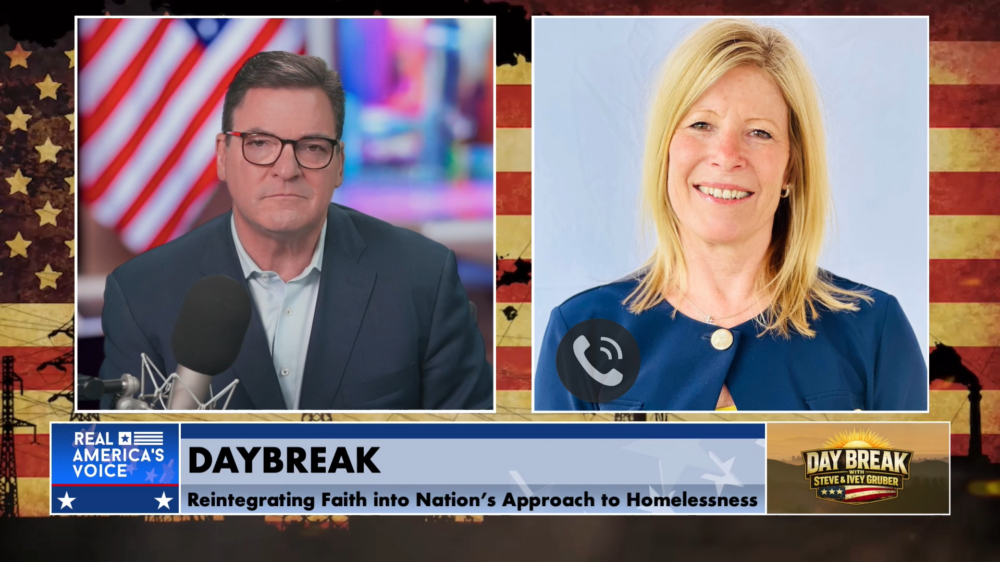
Reintegrating Faith Into the Nation’s Approach to Homelessness

For more than a century, America’s response to homelessness was rooted in faith. Churches, rescue missions, Catholic Charities, and the Salvation Army fed the hungry, sheltered the vulnerable, and most importantly, walked alongside them toward restoration. They innately understood a fundamental truth: Homelessness is a human transformation challenge requiring recovery, accountability, and the restoration of purpose. Over the past decade, however, policymakers were increasingly steered toward a different conclusion. A one-size-fits-all approach was supposed to end homelessness and simplify it — housing as the solution, housing placement as the sole metric, and a uniform approach applied everywhere. For policymakers drawn to ease, the appeal was obvious. But in embracing

LA’s Skid Row a Painful Monument of “Housing First” Policy

Skid Row in Los Angeles stands as a stark example of what happens when ideology overrides reality. Spanning roughly fifty blocks, it is one of the most concentrated homeless zones in the United States, filled with people trapped in addiction and untreated, severe mental illness, often marked by psychosis — a loss of contact with reality. For years, Los Angeles has wrapped its homelessness policies in the language of empathy and housing justice. But Skid Row reveals a harsher truth. What exists there is not simply poverty. It is a concentration of addiction, untreated mental illness, disorder, and human collapse in one of America’s most visible zones of urban breakdown. Los Angeles has embraced Housing First, a model that places people in permanent housing without

Seattle Mayor Announces Big Business Partnerships to Fund Same Failed Homelessness Policies

Starbucks: From Foe to Friend Last year Seattle Mayor Katie Wilson blasted Starbucks while standing in solidarity with workers on strike. This week, she announced the local coffee giant would help fund the first phase of the city’s homelessness response. So is the mayor now pandering to Starbucks or is Starbucks pandering to the mayor? Either way, we all know how the last public-private partnership to end homelessness turned out for local donors and the government. NEW: Wednesday evening, Mayor Katie Wilson shared more details about her plan to address the homeless drug crisis destroying the city. As expected, Wilson put an emphasis on how her office was taking the initiative to build more tiny houses and pallet shelters before the FIFA…

Newsom Tries to Shift Blame on Homelessness to Local Government

Gavin Newsom stood before the cameras in early March and once again blamed local governments for the state’s spiraling homelessness crisis. “No more excuses,” he thundered, threatening to strip funding from counties he claims are underperforming while promising to redirect “every damn penny” to those “getting things done.” Newsom is once again attempting to shift blame for California’s homelessness crisis — the very crisis he has repeatedly pledged to solve, including his 2021 vow to end family homelessness within five years. Since 2017, homelessness in California has surged by more than 40 percent — from roughly 134,000 people to nearly 187,000 in 2024 — despite an estimated $30 billion in spending he authorized. His

Graffiti, Squalor, and Destruction: What Housing First Actually Looks Like

“Egg God’s” Apartment Breaking. We gained exclusive access to ‘Egg God’s’ apartment in Los Angeles with @choeshow and we interviewed him. He has a video that went insane, viral for destroying his subsidized apartment and then mocking his eviction notice. System Struggles to Respond The reality: Under Los Angeles’ strict tenant protection laws, what he’s implying is largely true. Evicting him won’t be easy, no matter how extreme the behavior. This is the flaw in the Housing First model. People are often placed into housing with no expectations on the front end and very few real consequences on the back end. When things go wrong, the system struggles to respond. Housing First Fails the Vulnerable Jonathan and I actually thought he

HB 2266: Call Your Legislator Today

Update 3/5: The State Senate passed HB 2266, with amendments. The bill will now go back to the House to be reconsidered. A vote is expected the week of 3/9. Please call your local Representative today! Update 3/9: The House passed HB 2266. The bill will go to the Governor’s desk for signature. More than 20,000 people are living on the streets in Washington state, most of them suffering from an untreated mental illness and/or drug addiction. HB 2266 is currently moving through the Washington State legislature to make it easier to develop subsidized housing and emergency shelters in the style of the failed Housing First policy. This bill would override local ordinances and zoning laws, put residents in real danger of increased crime and lawlessness, and leave the homeless

Obama Admits Housing First was a Losing Strategy

Last weekend, former President Barack Obama acknowledged a blunt political reality: “The average person doesn’t want to have to navigate around a tent city in the middle of downtown … and we’re not going to be able to generate support if we simply say, ‘It’s not their fault, they should be able to do whatever they want,’ because that’s a losing political strategy.” What makes the remark notable is not merely its candor. It is the history behind it. It was the Obama administration that institutionalized the federal government’s one-size-fits-all embrace of Housing First in 2013. They promised the approach would end homelessness within a decade by prioritizing immediate housing placement. The theory was simple: Housing would

New Seattle Mayor Continues to Pursue Failed Homeless Policies

Making the Problem Worse The homeless drug crisis is out of control in Seattle. And it’s now evident Mayor Katie Wilson is going to make the problem worse. During her first State of the City address, she talked about building more housing and shelter. But no solutions to deal with mental illness or drug addiction ravaging the city. NEW: Seattle Mayor Katie Wilson is giving her first State of City address today. Like all mayors, she will say the city is headed in the right direction. What else are they supposed to say? Meanwhile in Green Lake, homeless drug addicts are sprawled out along the running trails.… https://t.co/joluTB2fda pic.twitter.com/6WyYpY9s56— Jonathan Choe (@choeshow) February 17, 2026 Sweep, Sweep, Sweep Aside from changing some policy

Mayor Wilson Doubles Down on Housing First, Ignores the Service Resistant

Repeating Mistakes During Tuesday’s State of the City address, Seattle Mayor Katie Wilson will say she is building more affordable housing to address the city’s homeless crisis. But she’s doubling down on the same “Housing First” policies that have failed this region for more than a decade and it won’t work. Not until she figures out how to deal with the “service resistant” class of people living on the streets. These are the men and women who are heavily addicted to drugs and refuse all shelter and treatment services currently available. Just drive down Rainier Ave S and you will find them everywhere. All the encampment sweeps under her watch have forced many people to move to this part of the city. Wilson is simply

More Spending, More Suffering: The Failure of America’s Homelessness Policy

In a recent ruling that defies both logic and compassion, a federal judge has blocked the Trump administration’s effort to reform the Department of Housing and Urban Development’s (HUD) Continuum of Care program — the federal government’s primary funding mechanism for homelessness assistance. The lawsuit — filed by a coalition of 20 mostly Democratic-led states, local governments, and nonprofit organizations and spearheaded by groups such as Democracy Forward — warns of “funding gaps,” winter instability, and the potential displacement of people currently housed. These alarms are sounded even though HUD includes a nearly 12% increase over last year’s funding allocation. At the core of the complaint is a revealing claim: that reform would

Marsha Michaelis Talks Homelessness on The Earthvox Podcast

Marsha Michaelis appeared on The Earthvox Podcast with Ryan Keogan. After discussing Michaelis’ journey from the Evergreen Freedom Foundation to homeschooling to her current position at Discovery Institute’s Fix Homelessness initiative, they then discuss her recent article exploring the kinds of solutions society could offer a family in acute distress, homelessness, and drug addiction. The conversation continues with problems with the Housing First approach to homelessness, how the Trump administration is addressing homelessness, the nature of compassion, and more. Listen on Apple Podcasts

Don’t Let a Book by Experts Silence Your Common Sense: “Homelessness is [Not] a Housing Problem”

A book written and applauded by experts can tempt you to doubt your common sense and quietly surrender intellectual ground at a crucial moment, especially if it makes a bold claim and you haven’t read it yet. Consider Homelessness is a Housing Problem by authors Gregg Colburn (an assistant professor at the University of Washington) and Clayton Page Aldern (a Seattle-based data scientist and policy analyst). The book’s attractive cover claims the authors have used “accessible statistical analysis” to “test a range of conventional beliefs about what drives the prevalence of homelessness in a given city—including mental illness, drug use, poverty, weather, generosity of public assistance, and low-income mobility—and find that none explain the variation