Fix Homelessness How to rebuild human lives
Topic

Marvin Olasky

a-man-is-rowing-a-boat-in-the-ocean-stockpack-adobe-stock-810667361-stockpack-adobe_stock
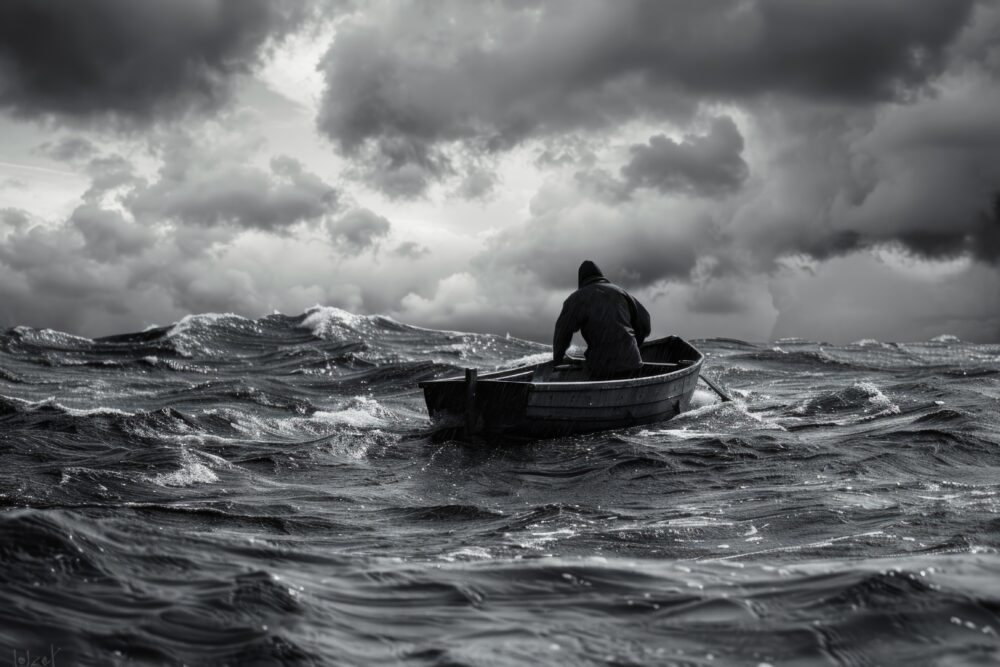
A man is rowing a boat in the ocean
Image Credit: Alexandr - Adobe Stock

Boats Against the Current

After writing weekly columns about homelessness for two-and-a-half years, I’m ready to put what I’ve learned into book form. It will be my 30th book and maybe my last, although (as chapter 12 of Ecclesiastes states) “of making many books there is no end.” But since I have written a lot, I’ll paraphrase the opening of the Declaration of Independence: “a decent respect to the opinions of mankind requires” that I declare the reason for writing a book on homelessness when a bunch already exist. Some of those books are by reporters who have lived with homeless people. Others are by opinion writers who have sat in their offices and proposed policies. The “unique selling proposition” of my book is Read More ›

top-down-view-at-group-of-volunteers-giving-out-simple-meals-498628791-stockpack-adobe_stock
Top down view at group of volunteers giving out simple meals to people in need at soup kitchen
Image Credit: Seventyfour - Adobe Stock

Sentimentality vs. Compassion

I almost let 2024 slip away without a column about the 30th anniversary of The Homeless, an important book by scholar Christopher Jencks published in 1994. It included these sentences: "The homeless are indeed just like you and me in most respects. . . . But important as such similarities are, our differences are also important. To ignore them when we talk about the homeless is to substitute sentimentality for compassion." Read More ›
homeless-people-sleeping-in-sleeping-bag-and-cardboard-in-a-737602718-stockpack-adobe_stock
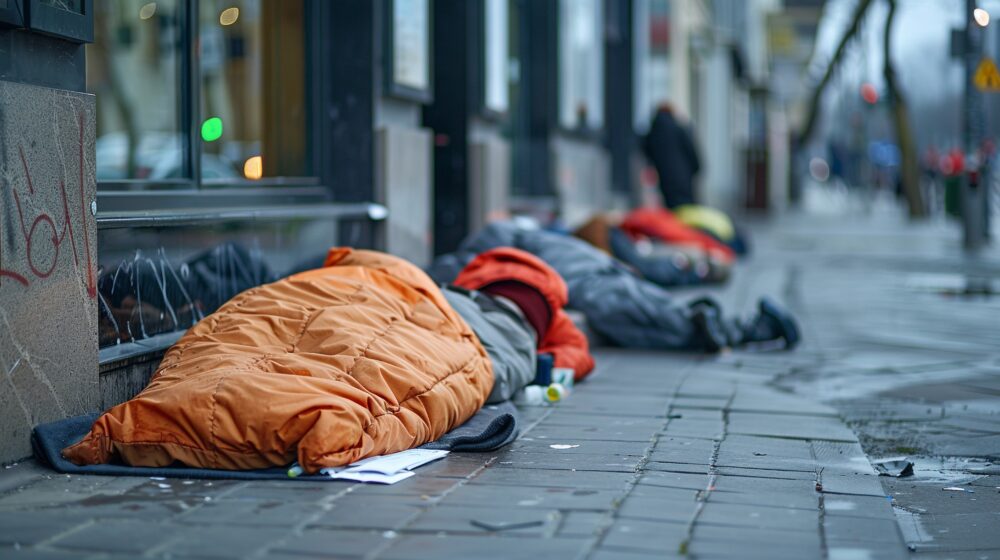
Homeless people sleeping in sleeping bag and cardboard in a street, concept of financial crisis, unemployment, lose job, vulnerable groups.
Image Credit: JW Studio - Adobe Stock

In the Life of a Homeless Man

With Christmas coming, I’m taking a timeout from my usual columnizing to send greetings to Tony, a homeless man in Colorado. He is 67 years old and may be sleeping in a North Face sleeping bag within an abandoned 144-square-foot wooden structure adjacent to a cemetery. (His summer bed has been a picnic bench about a third of a mile from a Safeway/Starbucks.) Tony was born in Japan to a military dad. His family subsequently moved to Florida and then Arvada, a northwest suburb of Denver with a population that’s soared from 50,000 in 1970 to 124,000 now. When Tony was 16, he had some issues with his parents “just because I’m me,” and they sent him to a foster Read More ›

poor-homeless-or-refugee-barefoot-man-sleeps-on-the-street-i-190863737-stockpack-adobe_stock
Poor homeless or refugee barefoot man sleeps on the street in the shadow of the building
Image Credit: Srdjan - Adobe Stock

Eighty Years of Homelessness Realism, 1914-1994

I've written in recent weeks about the non-sentimental view of homelessness that was common in the late nineteenth century. For much of the twentieth century, that realism carried over into academic work as well. Read More ›
jewish-holiday-chanukahhanukkah-family-selebration-jewish-fe-309143078-stockpack-adobe_stock
jewish holiday Chanukah/Hanukkah family selebration. Jewish festival of lights. Children lighting candles on traditional menorah over glitter shiny background
Image Credit: biotin - Adobe Stock

The Rarity of Homelessness in Judaism

After two years of learning about homelessness, next month I’ll start writing a book, with columns week by week showing chapter-by-chapter development. But before leaving my week-by-week miscellaneous approach, I want to mention that Christmas Eve this year is also the beginning of Hanukkah, an eight-day Jewish festival — and Jews are less likely to be homeless than non-Jewish Americans. That’s not a new phenomenon. Between 1880 and 1914, about 1.5 million Jews (including my grandparents) emigrated from czarist Russia to North America. They lived apart from the mainly Christian charity networks, yet observers at the time noted very little Jewish homelessness. Why? One reason: The deeply engrained work ethic within Jewish culture made a big difference. Another: Men needed Read More ›

unrecognizable-woman-hand-helping-man-to-stand-up-stockpack-279642579-stockpack-adobe_stock
Unrecognizable woman hand helping man to stand up
Image Credit: Prostock-studio - Adobe Stock

Gurteen and Lowell: Nineteenth Century Views on True Charity

Earlier this month I reported on Rebecca Gomez’s dissertation critique of “learned helplessness,” when young people — often with foster care backgrounds — feel like puppets who move only when others move them. When we go back 150 years, to the 1870s, we find similar concerns that led poverty-fighters then to distinguish between two other “p” words: “poor” and “pauper.” One Buffalo pastor, S. Humphreys Gurteen, said poverty was a problem, but an underlying cause was not material. He worried about the “concentrated and systematized pauperism which exists in our larger cities.” Gurteen wrote regarding “paupers” — those among the poor who had given up on working — that, “If left to themselves and no kind hand is held out Read More ›

Rat_Pit_image_Wikimedia_Commons
Image by Edward H. Savage, no known copyright restrictions exist, accessed at Wikimedia Commons: https://commons.wikimedia.org/wiki/File:Police_records_and_recollections,_or,_Boston_by_daylight_and_gaslight_-_for_two_hundred_and_forty_years_(1873)_(14780252001).jpg

Jerry McAuley’s Nineteenth Century Homelessness Ministry

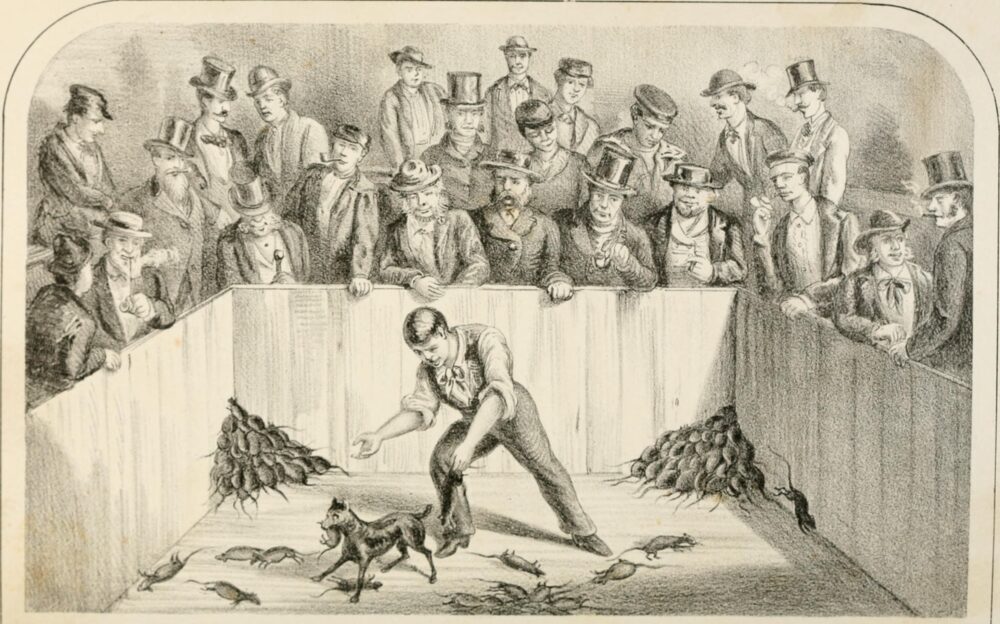
I mentioned last week the infamous Rat Pit in New York’s slums. Several Manhattan clergymen in 1868 rented it for two hours and tried to preach to the fans of battling rats. The New York Herald reported that the professionals preached over the heads of potential Water Street listeners: “What is wanted is a man of enthusiasm . . . rough language and homely bits of philosophy, who intuitively knows exactly the emotions which governs his hearers.” Answering that call was Jerry McAuley, the son of a counterfeiter who abandoned his family. McAuley’s mother, unable to control her son, sent him off to other relatives. At age 19 the riotous drunkard and local bandit went to the state penitentiary for Read More ›

family-disaster-father-goes-bankrupt-vintage-engraving-stock-189866383-stockpack-adobe_stock
Family disaster, father goes bankrupt, vintage engraving
Image Credit: acrogame - Adobe Stock

The War on Homelessness 150 Years Ago

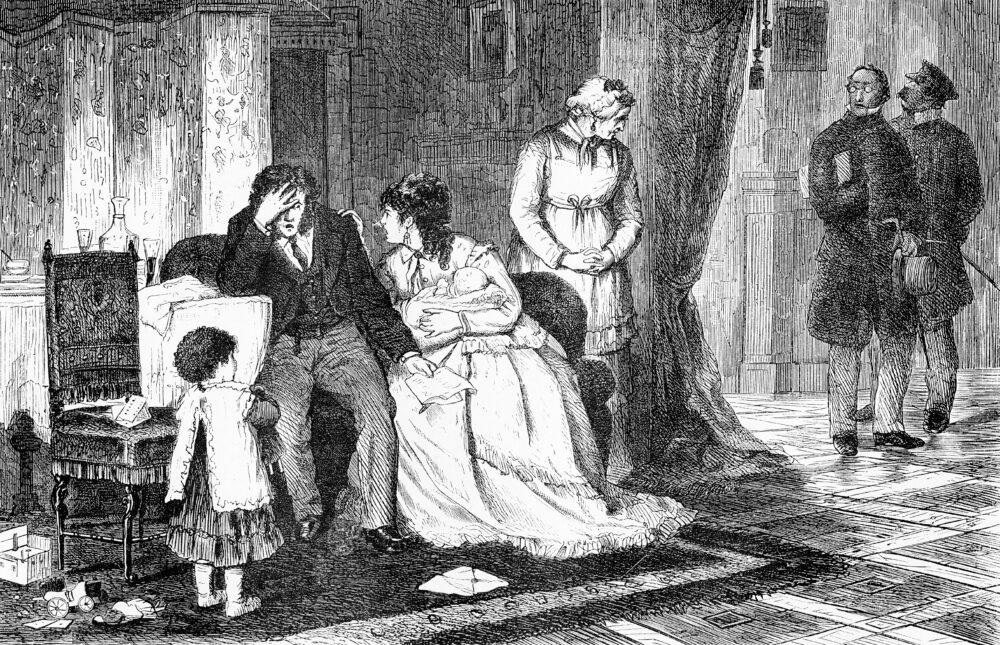
The advent of Thanksgiving brings more stories about homelessness and more debate about its causes. Some advocates emphasize housing costs, as New York’s Charles Brace did during the Civil War era (see my May 3, 2024 column.) Others emphasize substance abuse and mental illness. That also is nothing new: New York City suffered not only through draft and racist riots in 1863 but homelessness in the 1870s, often among Civil War veterans suffering from what today we call PTSD, post-traumatic stress disorder. The debate, even then, was not new. Starting early in the century, the street-level analysis was that some poor people became paupers — not just poor, but distraught and defeated — by getting drunk and staying drunk. What Read More ›

a-teenage-boy-who-ran-away-from-home-scared-stands-alone-on-671715926-stockpack-adobe_stock
a teenage boy who ran away from home, scared, stands alone on the platform,
Image Credit: Наталья Лазарева - Adobe Stock

The Winding Path of Homeless Youth

Last week I wrote about Rebecca Gomez’s criticism of foster care. She accurately notes that “a large proportion of foster children will find themselves homeless upon exiting care. The majority do not attend college; do not have stable housing; do not obtain employment that provides a living wage; do not own a car; have never managed money.” Even if they’re not yanked from house to house, Gomez writes that foster children are “surrounded by treatment professionals including foster parents, case managers, therapists, psychologists, psychiatrists, and special education departments. . . . They must gain the[ir] approval . . . to drive a car; take a trip out of state with their foster family; visit a sibling; participate in a contact Read More ›

magic-lamp-glowing-in-the-dark-with-mysterious-aura-magic-la-896668938-stockpack-adobe_stock
Magic lamp glowing in the dark with mysterious aura, magic, lamp, dark, glowing, mysterious, aura, genie, wish, mystery
Image Credit: Udomner - Adobe Stock

The Aladdin Factor: Why Troubled Kids Fare Better Than Foster Kids

Aladdin, you may remember from the Disney movie, calls himself a "street rat" and knows how to survive amid homelessness. He is competent. He has "agency," the belief that he can act to improve his circumstances. That mindset is different from what former foster child Rob Henderson describes in his good memoir, Troubled. Read More ›