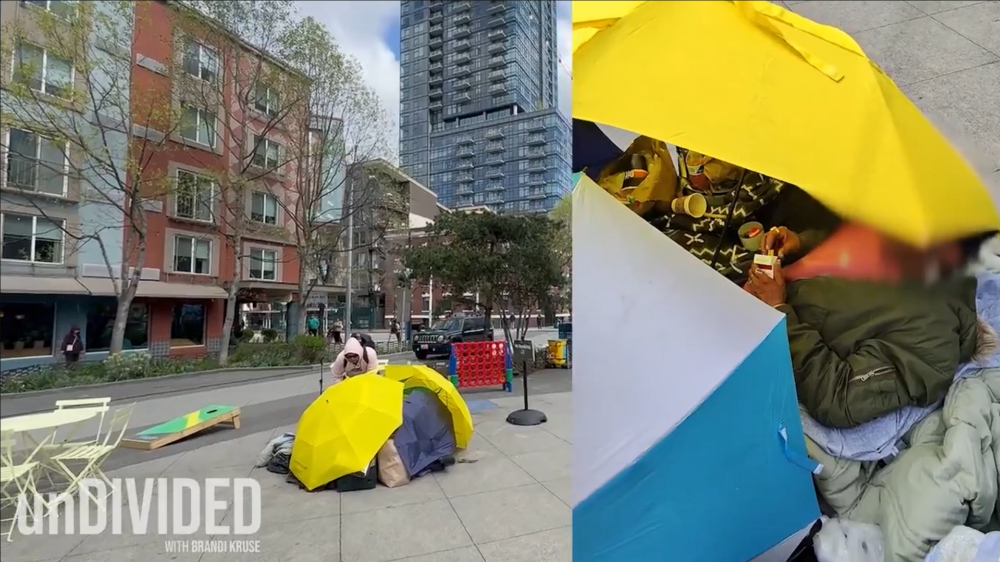
Game of Whack-A-Mole Continues After months of paralysis by the city, more than 30 drug tents are being swept out of Chinatown-ID today. Problem is, the vast majority of people here are fentanyl addicts so they are refusing to take shelter and services being offered by the city. They’re just moving down the block and the game of Whack-A-Mole continues. This is exactly why Mayor Katie Wilson’s idea to build more tiny houses to address the street crisis is a waste of taxpayer dollars. Only Homeless INC and the builders will benefit as elected officials race to clear drug encampments before the FIFA World Cup. Meanwhile, We Heart Seattle is getting people into treatment and recovery, one person at a Read More ›
Jonathan Choe and Brandi Kruse give an inside look into the open-air drug use, mental illness, and sale of drugs/stolen goods plaguing downtown Seattle streets and parks — problems city leaders now appear eager to move out of sight before hundreds of thousands of visitors arrive. An estimated ~750,000 people are expected to visit Seattle during the FIFA World Cup beginning in June 2026. In preparation, Seattle Mayor Katie Wilson is accused of pushing homeless encampments and activity out of the downtown core and into surrounding areas. Former Mayor Bruce Harrell faced criticism for similar tactics, including downtown sweeps and distributing visitor maps highlighting “safe” routes for tourists to avoid areas overwhelmed by homelessness, drug use, and crime.
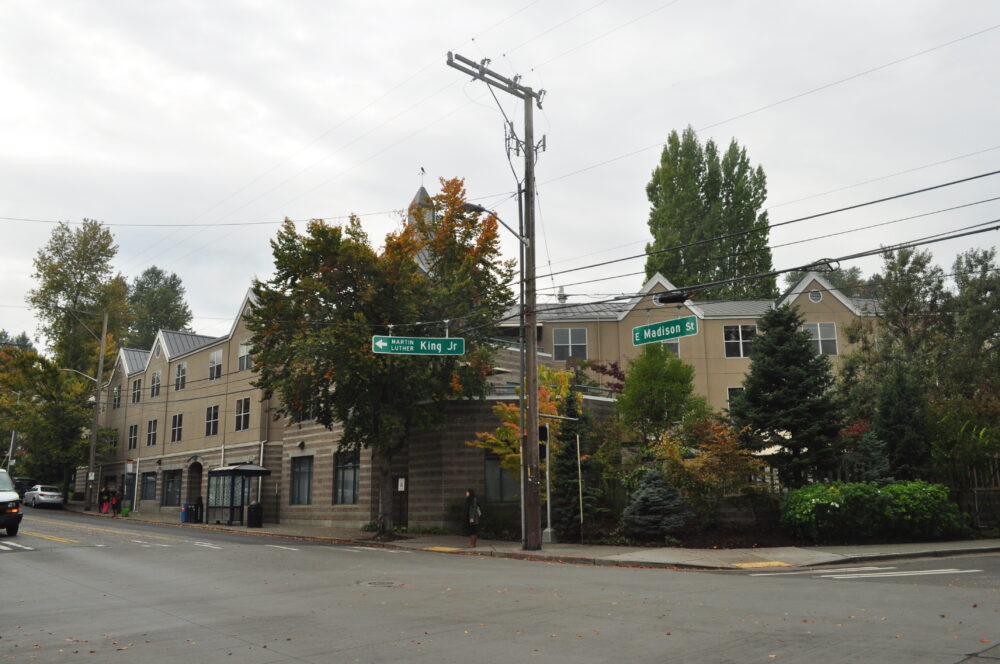
Wendy Yim is an aspiring writer, and by all measures a good one. Her first novel attracted the attention of literary agents and she was working on a second when she was forced to pivot to much less rewarding work: defending her neighborhood against the dangers posed by a low-barrier homeless shelter. Wendy’s family lives in Seattle’s picturesque, middle-class Madison Valley neighborhood, situated just east of Capitol Hill — a place filled with eclectic and colorful homes, winding streets lined with trees, and yards landscaped with flowers. Through the middle runs East Madison Street, host to about twenty small businesses, including a flower shop, bakery, music school, several ethnic restaurants, a small supermarket, and a massage clinic. Children make up Read More ›
Out of Control Seattle Mayor Katie Wilson has lost control of her streets. Parts of Chinatown-ID are packed with drug dealers slinging fentanyl, people are recklessly starting fires on sidewalks, and the black market of stolen goods is thriving. There is no way Wilson has this under control by June when FIFA World Cup games are played in the city. Remind me again what the plan is to address this disaster zone?
Out of Control Seattle’s Little Saigon neighborhood is out of control. The drug den and black market of stolen goods is thriving Thursday afternoon. Dudes are openly selling meth and also talking about buying high quality fentanyl from Honduran drug dealers nearby. Meanwhile, no cops in sight and addicts are driving a hard bargain on stolen laundry detergent. From now until the FIFA World Cup in June, I will be giving weekly updates from this Asian American community that’s now a containment zone and human dumping ground for the city. Mayor Katie Wilson has no solutions and is allowing this minority community to be victimized again.
Skid Row in Los Angeles stands as a stark example of what happens when ideology overrides reality. Spanning roughly fifty blocks, it is one of the most concentrated homeless zones in the United States, filled with people trapped in addiction and untreated, severe mental illness, often marked by psychosis — a loss of contact with reality. For years, Los Angeles has wrapped its homelessness policies in the language of empathy and housing justice. But Skid Row reveals a harsher truth. What exists there is not simply poverty. It is a concentration of addiction, untreated mental illness, disorder, and human collapse in one of America’s most visible zones of urban breakdown. Los Angeles has embraced Housing First, a model that places Read More ›
Drugs Fuel Street Crisis Listen to Seattle’s homeless fentanyl addicts. They’re now admitting illegal drugs are fueling the street crisis. But Mayor Katie Wilson and other Democrats think they can build their way out of this problem. Meanwhile, nothing will change in this city until elected officials focus on making treatment mandatory before giving away free taxpayer funded apartments and studios. That will only benefit Homeless INC and all the builders. We’ve already witnessed the failure of Housing First for more than a decade.
The Real Root Causes More startling images coming out of the Ballard drug encampment in Seattle. Multiple people are passed out with fentanyl foil in their hands. On Wednesday, I told you about an Asian American woman who was cleared out during the massive Fred Meyer sweep. I’ve learned this young woman’s name is Juliana and she’s 27 years old. She says her family is in the area but would not get into reasons why she’s on the streets. Don’t listen to Seattle Mayor Katie Wilson when she claims this is an affordable housing crisis. That narrative only benefits HOMELESS INC and the builders. This is about drugs, mental illness, and broken relationships. Those are the roots causes fueling the Read More ›
After decades of working inside homelessness services, I’ve learned that the greatest lie we tell ourselves is that we don’t know what works. We do. The problem isn’t a lack of data, innovation, or funding. The problem is that real solutions require decisions we are unwilling to make and truths we are afraid to say out loud.
It is easier to expand systems than to fix them. Easier to signal compassion than to practice it in ways that are uncomfortable. Easier to manage homelessness than to end it.
Most people assume homelessness persists because it is too complex to solve. In reality, it persists because solving it would disrupt an entire industry built around its permanence. Over time, the system stopped being accountable to outcomes and became accountable to itself. Programs are judged by how many people they touch, not how many people leave the streets. Success is defined by engagement, not transformation. In this environment, homelessness is no longer a crisis to be resolved, but a condition to be administered.
My brother Jason, who is formerly homeless, giving hope to current homeless
One of the hardest truths is that housing alone does not stabilize people who are deeply addicted, severely mentally ill, or both. I have watched housing placements fail because we insisted on treating housing as the solution rather than the setting in which recovery might occur. For people actively using fentanyl, methamphetamine, or alcohol at life-threatening levels, housing without treatment can become a slower form of self-destruction. When it collapses, we try again and call it trauma-informed care, quietly accepting failure as inevitable.
Real solutions begin with recovery, not as a moral requirement, but as a practical one. A person cannot stabilize while in the grip of serious addiction. No amount of case management, harm-reduction supplies, or wellness check-ins can substitute for sobriety when the brain itself is hijacked. Cities like Portland and Seattle know this, yet continue to build models that treat recovery as optional. We call this compassion, but too often it looks like abandonment.
Making the Problem Worse The homeless drug crisis is out of control in Seattle. And it’s now evident Mayor Katie Wilson is going to make the problem worse. During her first State of the City address, she talked about building more housing and shelter. But no solutions to deal with mental illness or drug addiction ravaging the city. Sweep, Sweep, Sweep Aside from changing some policy language, she is pretty much doing the same thing as the last mayor of Seattle. Sweep, sweep, sweep. And the game of Whack-A-Mole continues. Same Old Same Old Wilson’s spokesperson recently told the Seattle Times that, “the mayor isn’t pursuing a significant shift in encampment clearing strategies from the previous administration.” Ignoring the Service Read More ›