

Seattle Times Finally Reports on Movement of Drug Addiction from Downtown to Chinatown
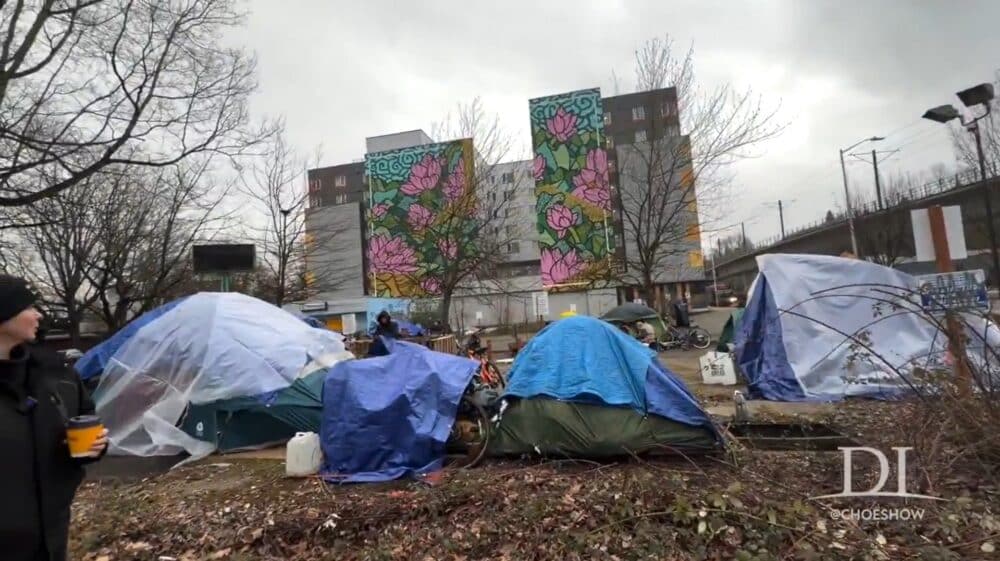
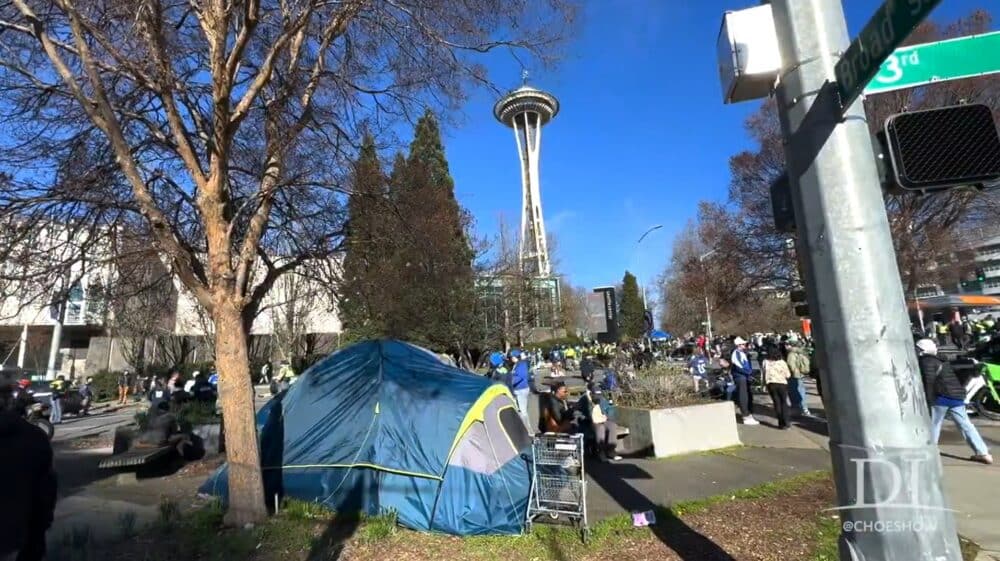
Seattle Times Finally Picks Up Story For months now I’ve been reporting on the movement of drug addicts from downtown Seattle to Chinatown-ID. The Seattle Times is finally jumping on this story. The squeeze is now on Mayor Bruce Harrell to do something about it. Councilmember Morales Quits Former Seattle Councilmember Tammy Morales left her district a mess. But she quit her post this month. So now sources say this Asian American community is getting ready to mobilize against Mayor Harrell if the crime and urban decay are not addressed.

The Rarity of Homelessness in Judaism
After two years of learning about homelessness, next month I’ll start writing a book, with columns week by week showing chapter-by-chapter development. But before leaving my week-by-week miscellaneous approach, I want to mention that Christmas Eve this year is also the beginning of Hanukkah, an eight-day Jewish festival — and Jews are less likely to be homeless than non-Jewish Americans. That’s not a new phenomenon. Between 1880 and 1914, about 1.5 million Jews (including my grandparents) emigrated from czarist Russia to North America. They lived apart from the mainly Christian charity networks, yet observers at the time noted very little Jewish homelessness. Why? One reason: The deeply engrained work ethic within Jewish culture made a big difference. Another: Men needed Read More ›

Social Media Influencer Nick Shirley Chased While Touring Seattle’s Chinatown
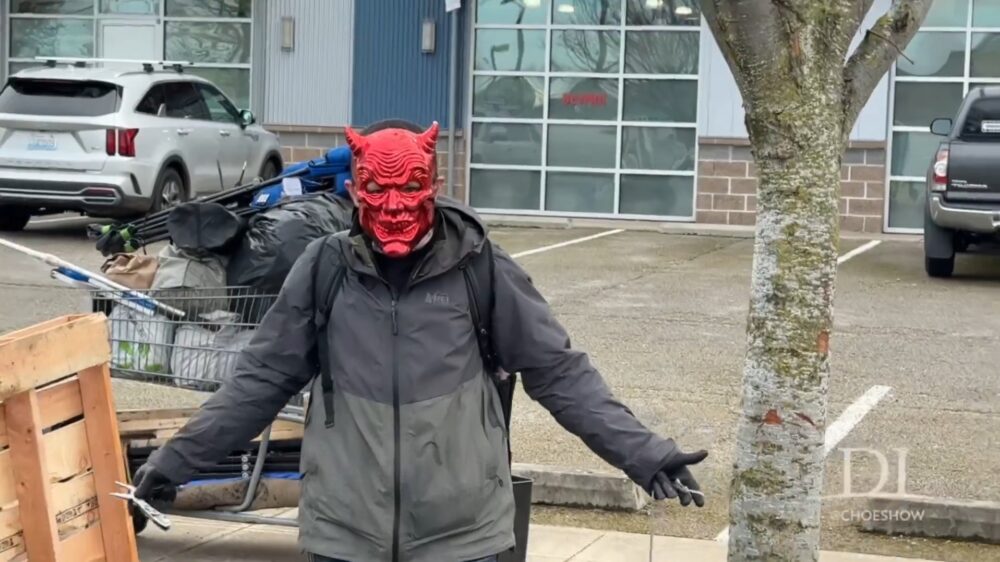
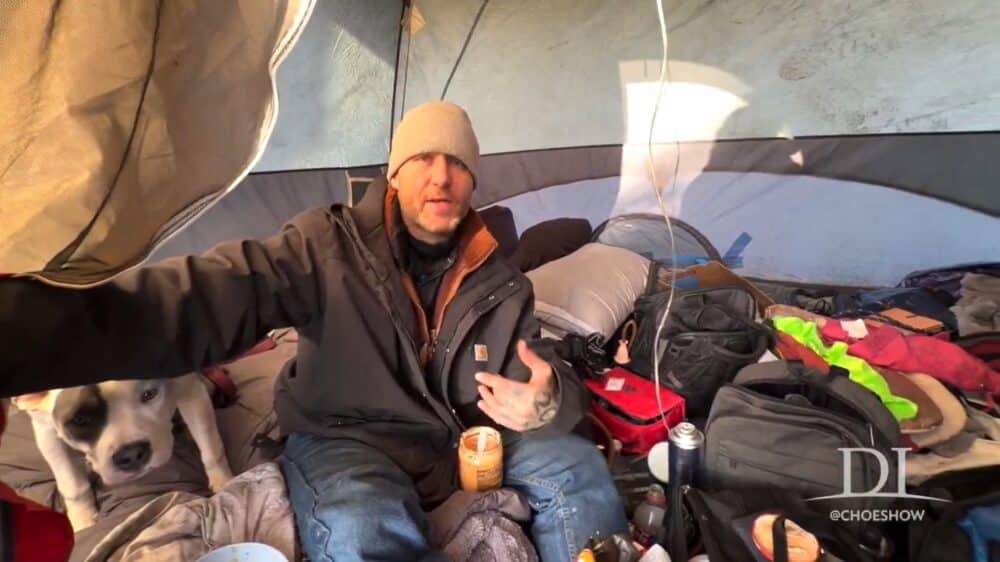
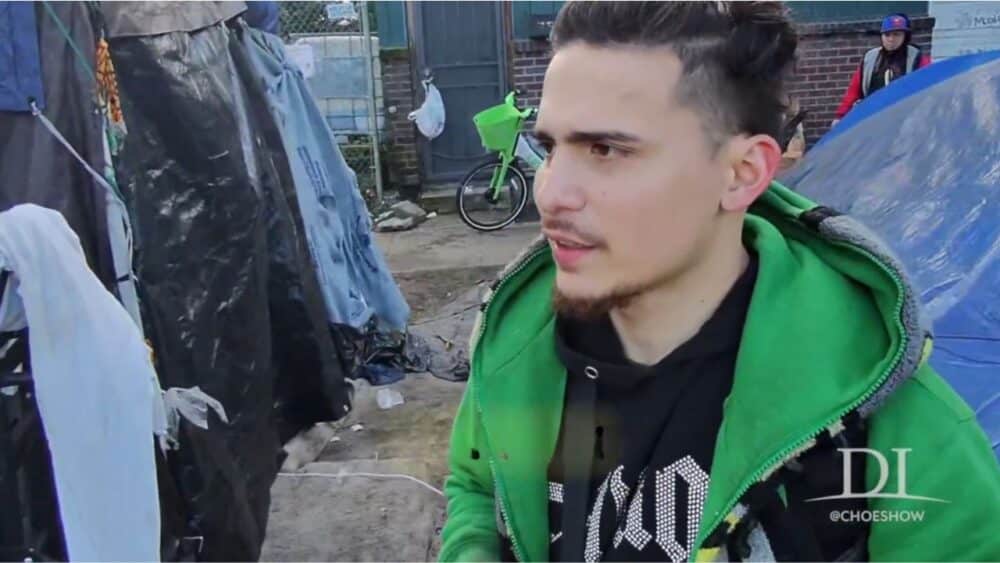
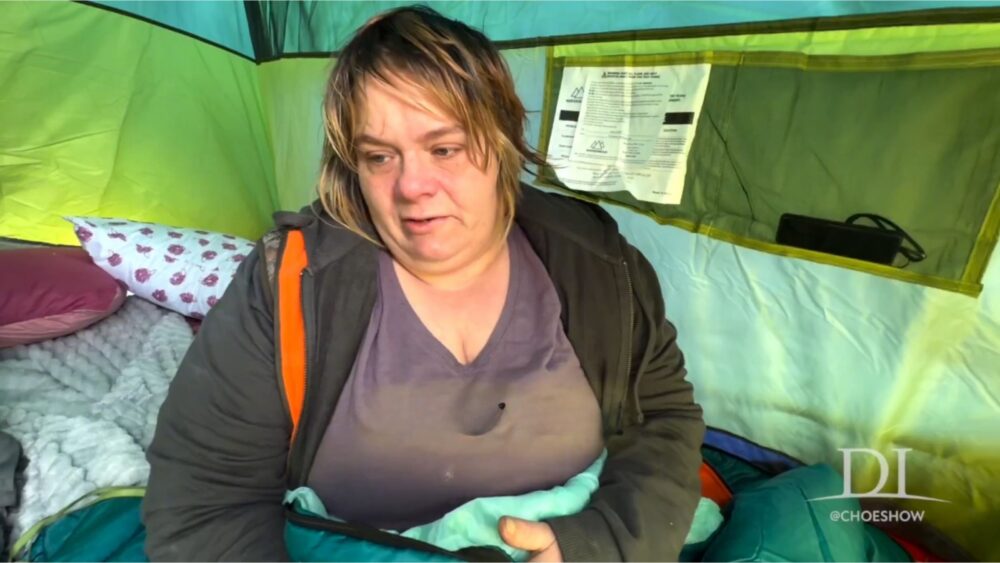
Chased Sunday evening, social media influencer Nick Shirley was chased by a broomstick wielding maniac in Seattle’s Chinatown-ID during a YouTube livestream. Then a fentanyl addict cracked my phone at the notorious 12th Ave & Jackson St drug den. We got more coverage on the way. This part of the city is dying. Here’s a preview. Open-Air Drug Use Mentally ill tweakers were also running wild through the CID this weekend. Drug Addiction and Mental Illness in Hing Hay Park Hing Hay Park is a disaster. Encampment Across from High School Homeless drug addicts have also ripped through a fence and are now setting up an encampment right across the street from Summit Sierra High School in Chinatown-ID.

Drug Use, Mental Illness, and Homelessness in Seattle’s Chinatown
Saturday evening, Hing Hay Park looks like a human dumping ground. The crown jewel of Seattle’s Chinatown-ID has been hijacked by drug addicts, the mentally ill, and homeless. The dude tweaking earlier in the day is now causing a stir at night. Since Councilmember Tammy Morales has abdicated all responsibility in her district, it’s now on Mayor Bruce Harrell to restore this Asian American neighborhood before it’s completely lost.

Drug Addicts Set Up Encampment Across from Seattle High School
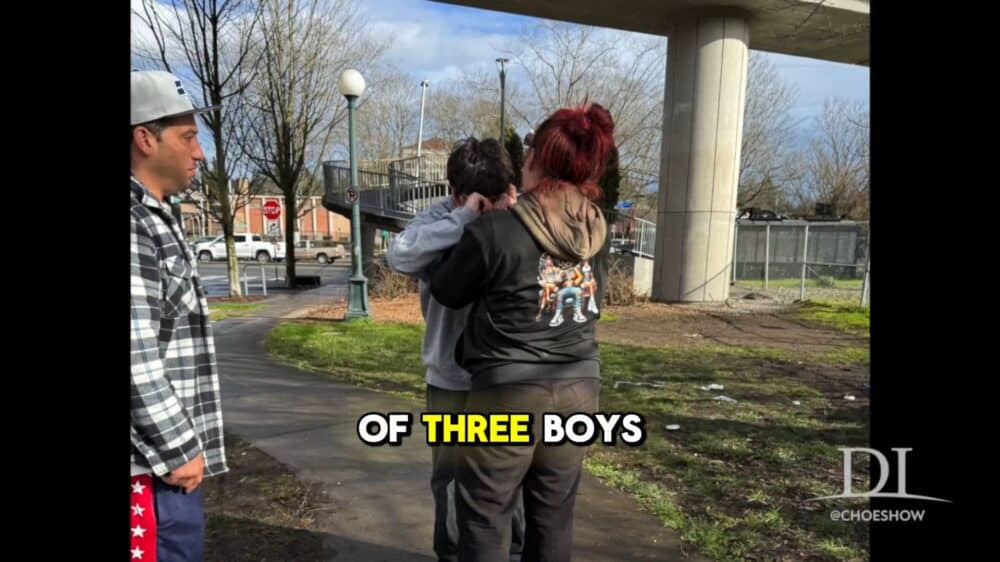
Happening Now Homeless drug addicts have ripped through a fence and are now setting up an encampment right across the street from Summit Sierra High School in Chinatown-ID. Last year, I first told you about all the open-air drug use and crime disrupting student life in the area. Sadly, nothing has changed. Councilmember Tammy Morales was MIA then. She remains MIA today. Her District-2 is a disaster. She voted against all the CID public safety amendments this year. It’s almost like she wants this neighborhood to fail.

Gurteen and Lowell: Nineteenth Century Views on True Charity
Earlier this month I reported on Rebecca Gomez’s dissertation critique of “learned helplessness,” when young people — often with foster care backgrounds — feel like puppets who move only when others move them. When we go back 150 years, to the 1870s, we find similar concerns that led poverty-fighters then to distinguish between two other “p” words: “poor” and “pauper.” One Buffalo pastor, S. Humphreys Gurteen, said poverty was a problem, but an underlying cause was not material. He worried about the “concentrated and systematized pauperism which exists in our larger cities.” Gurteen wrote regarding “paupers” — those among the poor who had given up on working — that, “If left to themselves and no kind hand is held out Read More ›

Jerry McAuley’s Nineteenth Century Homelessness Ministry
I mentioned last week the infamous Rat Pit in New York’s slums. Several Manhattan clergymen in 1868 rented it for two hours and tried to preach to the fans of battling rats. The New York Herald reported that the professionals preached over the heads of potential Water Street listeners: “What is wanted is a man of enthusiasm . . . rough language and homely bits of philosophy, who intuitively knows exactly the emotions which governs his hearers.” Answering that call was Jerry McAuley, the son of a counterfeiter who abandoned his family. McAuley’s mother, unable to control her son, sent him off to other relatives. At age 19 the riotous drunkard and local bandit went to the state penitentiary for Read More ›

One Doctor’s Prescription to Solve Homelessness Would Continue the Catastrophe
A doctor named Katherine A. Koh — who treats homeless people with Harvard Medical School’s Boston Health Care for the Homeless Program — cares deeply about her patients. But her policy prescriptions to help them become the formerly homeless will just keep the ongoing catastrophe rolling along. In the New England Journal of Medicine, she tells of the tragic death of one of her patients and the indifference of society to the tragedy. From “Invisible Deaths: Mortality Among People Experiencing Homelessness“: Jack died on a street corner. A larger-than-life figure, he stood more than 6 ft, 4 in. tall, exuded charismatic energy, and embraced the role of “king of the streets.” Then, at 49, he died without warning on a …

The War on Homelessness 150 Years Ago
The advent of Thanksgiving brings more stories about homelessness and more debate about its causes. Some advocates emphasize housing costs, as New York’s Charles Brace did during the Civil War era (see my May 3, 2024 column.) Others emphasize substance abuse and mental illness. That also is nothing new: New York City suffered not only through draft and racist riots in 1863 but homelessness in the 1870s, often among Civil War veterans suffering from what today we call PTSD, post-traumatic stress disorder. The debate, even then, was not new. Starting early in the century, the street-level analysis was that some poor people became paupers — not just poor, but distraught and defeated — by getting drunk and staying drunk. What Read More ›