Fix Homelessness How to rebuild human lives
Topic

Andrea Suarez

LIH-director-answers-questions

Tiny Home Village Director Dodges Question About Smoking Shacks on Premises

Exposed We Heart Seattle just exposed fentanyl smoking shacks inside taxpayer funded Low Income Housing Institute’s tiny house villages. But I was chasing this tip as well. Recently, I point-blank asked LIHI Executive Director Sharon Lee about these controversial “safe consumption” sites on her properties. Instead of giving me a yes or no answer, listen to what she had to say.

Plymouth-Housing-fundraiser

Seattle Dances Raises More Than $1.5 Million for Controversial Plymouth Housing

Crashing the Party Over the weekend, “Seattle Dances” raised more than $1.5 million dollars for Plymouth Housing, a controversial non-profit claiming to be solving homelessness. Organizers even managed to rope in local journalists and “celebrities” to push their agenda. But critics crashed this party with a protest, to educate Seattle’s donor class about what’s really happening inside these so called “permanent supportive housing” facilities. Just look at the 911 calls and police reports that continue to show a pattern of crime, chaos, and death whenever Plymouth buildings are built in communities. I’m dropping a more in-depth story later today. Here’s a preview. Conflict of Interest I noticed a local TV anchor and radio reporter participating in this fundraiser. Now I Read More ›

Katie-Wilson-leaving-press-conference

Seattle Mayor Leaves Press Conference Without Taking Any Questions

Running Scared Seattle Mayor Katie Wilson is once again running scared from the media. Wednesday afternoon, Wilson quietly left a press conference about homeless shelters before it even ended. One local tv station reporter could be overheard arguing with Wilson’s communications director Sage Wilson, demanding an explanation. This is straight up amateur hour. Contentious Relationship Since taking office in January, Wilson and I have had a contentious relationship. Wilson’s team tried to block me at her City Hall inauguration ceremony. Evading… Wilson has also referred to me as an “extremist influencer.” Evading… Even on the campaign trail, Wilson’s Antifa volunteer security tried to block me from asking her questions. And More Evading… All I do is ask questions for a Read More ›

Photo-Apr-13-2023-10-17-58-AM
Photo courtesy of Kevin Dahlgren

Why Housing First Isn’t the Answer to Seattle’s Homelessness Crisis

I’ve spent years working directly with Seattle’s homeless population, not studying them from university offices, or analyzing data sets from a comfortable distance, but on the streets, in the encampments, doing street-level engagement and intervention. When I read yet another opinion piece (“Homelessness in Seattle: We can’t unsee it.” Dec. 28, 2025) attributing our homelessness crisis primarily to housing costs, I have to ask: Are we really going to continue trusting consultants and researchers over what our own eyes tell us?

The December piece by Walter Hatch follows a familiar pattern in academia: Start with a conclusion, in this case, that “it’s a housing problem,” then find data to support it. However, those of us working on the ground are aware of a critical fact that these analyses consistently overlook: There’s a fundamental distinction between the “crisis population” living in visible squalor on our streets and individuals who are the working poor — couch-surfing, living with family or struggling with roommates to afford rent.

We cannot conflate these populations. They are not the same.

Read More ›
Screenshot-2026-01-23-114140

Mayor Wilson Has No Plan for the Service Resistant Homeless Community

Zero Solutions Seattle Mayor Katie Wilson is getting hammered after another disruptive sweep under her new administration. But the criticism isn’t coming from her comrades with far-left activist group Stop the Sweeps Seattle. Homeless drug addicts say her promise to do things differently from the previous administration hasn’t materialized. The vast majority of the people living at the MLK Jr. Way encampment rejected services and shelter options Wednesday morning, then fled into the deep woods. We Heart Seattle’s Andrea Suarez calls them the “service resistant.” And right now, Mayor Wilson has offered zero solutions to address this group causing the most harm to themselves and the community.

Fix-Homelessness-Title-Screen-3

Seattle Begins Renovations on Public Park Destroyed by Drug Addicts

“There’s a Big Drug Dealer Down Here” After dozens of neighbor complaints about homeless drug addicts destroying Seattle’s Dr. Jose Rizal Park, the fencing is back up and major renovations are about to get started. But We Heart Seattle’s Andrea Suarez says the dealers and addicts are now moving further into wooded areas in Beacon Hill and the city is barely enforcing public camping laws in this area. Suarez is also calling out Seattle Parks Superintendent AP Diaz for being MIA.

man-setting-up-tent-seattle

“This Is Worse Than I Have Seen Since 2020” Says Local Advocate of Tents in Seattle

Drug Addiction Overruns the City Streets Since the weekend, I have now counted more than 100 drug tents in Seattle’s Chinatown-ID and Beacon Hill neighborhoods which are next to each other. This is obviously an undercount since I can’t be everywhere. Drug addicts have also taken over Dr. Jose Rizal Park. Since outgoing Mayor Bruce Harrell has given up on the city, I am keeping a running list of encampments for Mayor-elect Katie Wilson. But it’s unclear if she will do anything about it. Btw, stop enabling these addicts by giving them free tents. The non-profits and virtue signaling Seattle residents are keeping vulnerable people on the streets. Get them into shelters, drive them to treatment, or send them home. Read More ›

Photo-Aug-21-2023-4-03-13-PM
Photo courtesy of Kevin Dahlgren

Seattle Needs Stabilization Homeless Camps

As Seattle considers sanctioned homeless camps again, we stand at a familiar crossroads. I’ve spent five years with We Heart Seattle doing boots-on-the-ground outreach and cleanup, alongside lived experience advisors who have worked in and managed prior sanctioned camps, including Share/Wheel, Nickelsville, Camp United We Stand, and run low-barrier shelters. We’ve seen what fails. More importantly, we know what could work. The skepticism about sanctioned camps is warranted. Past attempts became semi-permanent encampments with no path forward. But dismissing the concept entirely ignores a critical gap in our system: where do people go when they’re too unstable for housing but desperate to get off the streets? Seattle’s homeless crisis isn’t one problem—it’s many. The “crisis population” living on our streets Read More ›

News-Nation-Oct-report-Jonathan-Choe-Infiltrated-2

News Outlets Abuzz Over Report Detailing Relationship Between Homeless Industry and Antifa

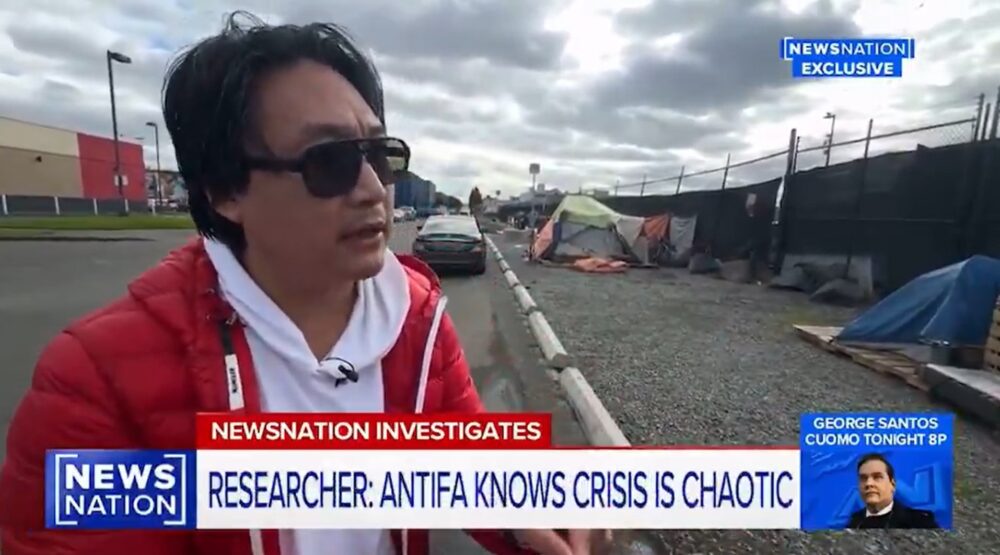
Earlier this month, and in cooperation with Discovery Institute, Capital Research Center published “Infiltrated: The Ideological Capture of Homeless Advocacy.” Since then, reporter and Senior Fellow Jonathan Choe presented the report directly to President Donald Trump, and now news outlets like Daily Mail and NewsNation are following up with their own reporting on the crisis. NewsNation NewsNation sent reporter Rich McHugh to Seattle, where he interviewed Jonathan Choe, We Heart Seattle founder Andrea Suarez, and Seattle Police Officers Guild president Mike Solan about the crossover between far-left radicals and industries purported to help the homeless. From the NewsNation report: A report from two conservative think tanks alleged that members of antifa, the decentralized antifascist movement, have embedded themselves within the Read More ›

Photo-Apr-04-2023-2-15-31-PM
Photo courtesy of Kevin Dahlgren

A Compassionate Path Forward: Street-Level Intervention Can Save Lives

Last week’s The Great Debate hosted by The Emperor’s Group and We Heart Seattle at the Washington Athletic Club was attended by hundreds of voters. And one thing was abundantly clear: Seattle’s approach to our behavioral health crisis needs immediate reinforcement. As someone working daily with the city’s most vulnerable residents, I believe we can chart a compassionate course that honors both human dignity and public safety. The solution isn’t about choosing between “Harm Reduction” drug policies and accountability—it’s about creating a comprehensive system that meets people in crisis where they are and guides them toward recovery and independence. At We Heart Seattle, our street team—composed entirely of people in recovery—connects two to three individuals to treatment every week. This Read More ›