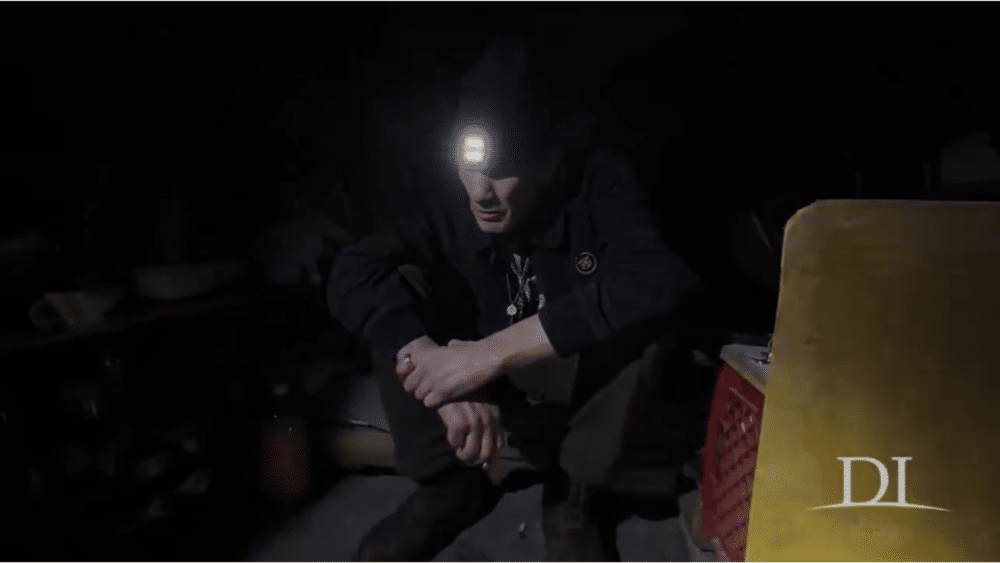
The Las Vegas Secret Las Vegas “mole people” are real. It’s the worst-kept secret in the city. In Part 1 of this investigation, Kevin Dahlgren and I are showing the problem, but also trying to figure out why elected officials want this crisis hidden instead of solved.
After decades of working inside homelessness services, I’ve learned that the greatest lie we tell ourselves is that we don’t know what works. We do. The problem isn’t a lack of data, innovation, or funding. The problem is that real solutions require decisions we are unwilling to make and truths we are afraid to say out loud.
It is easier to expand systems than to fix them. Easier to signal compassion than to practice it in ways that are uncomfortable. Easier to manage homelessness than to end it.
Most people assume homelessness persists because it is too complex to solve. In reality, it persists because solving it would disrupt an entire industry built around its permanence. Over time, the system stopped being accountable to outcomes and became accountable to itself. Programs are judged by how many people they touch, not how many people leave the streets. Success is defined by engagement, not transformation. In this environment, homelessness is no longer a crisis to be resolved, but a condition to be administered.
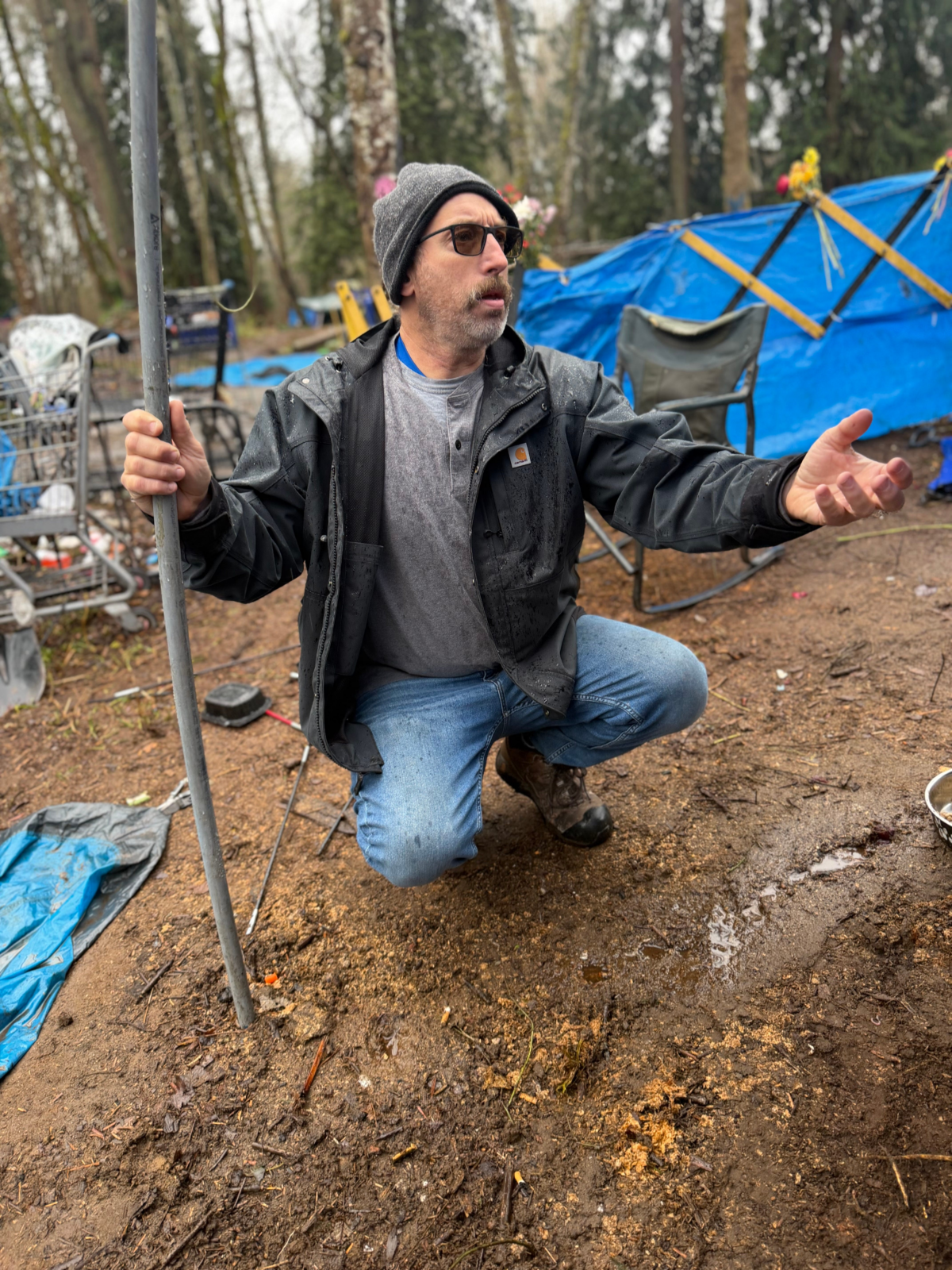
My brother Jason, who is formerly homeless, giving hope to current homeless
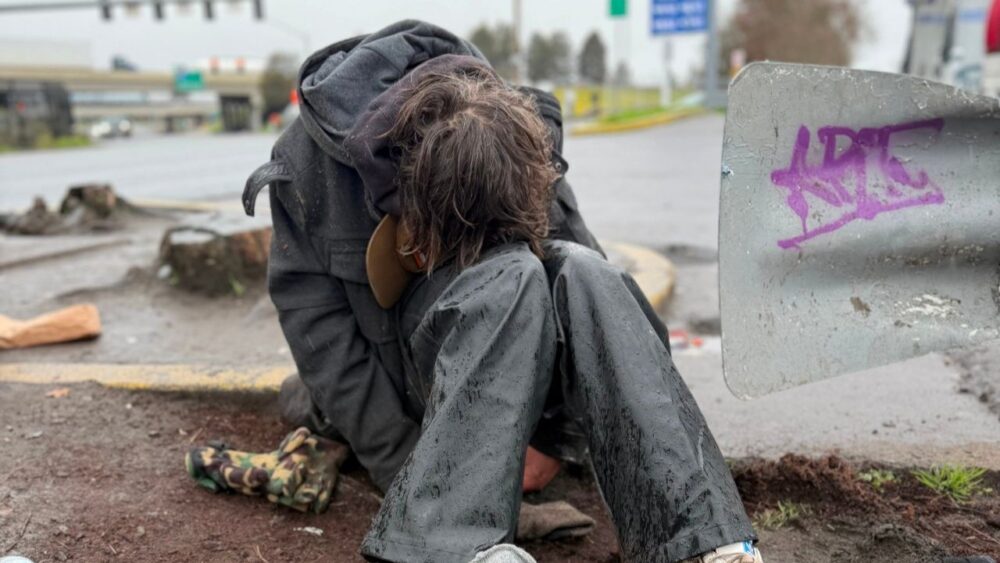
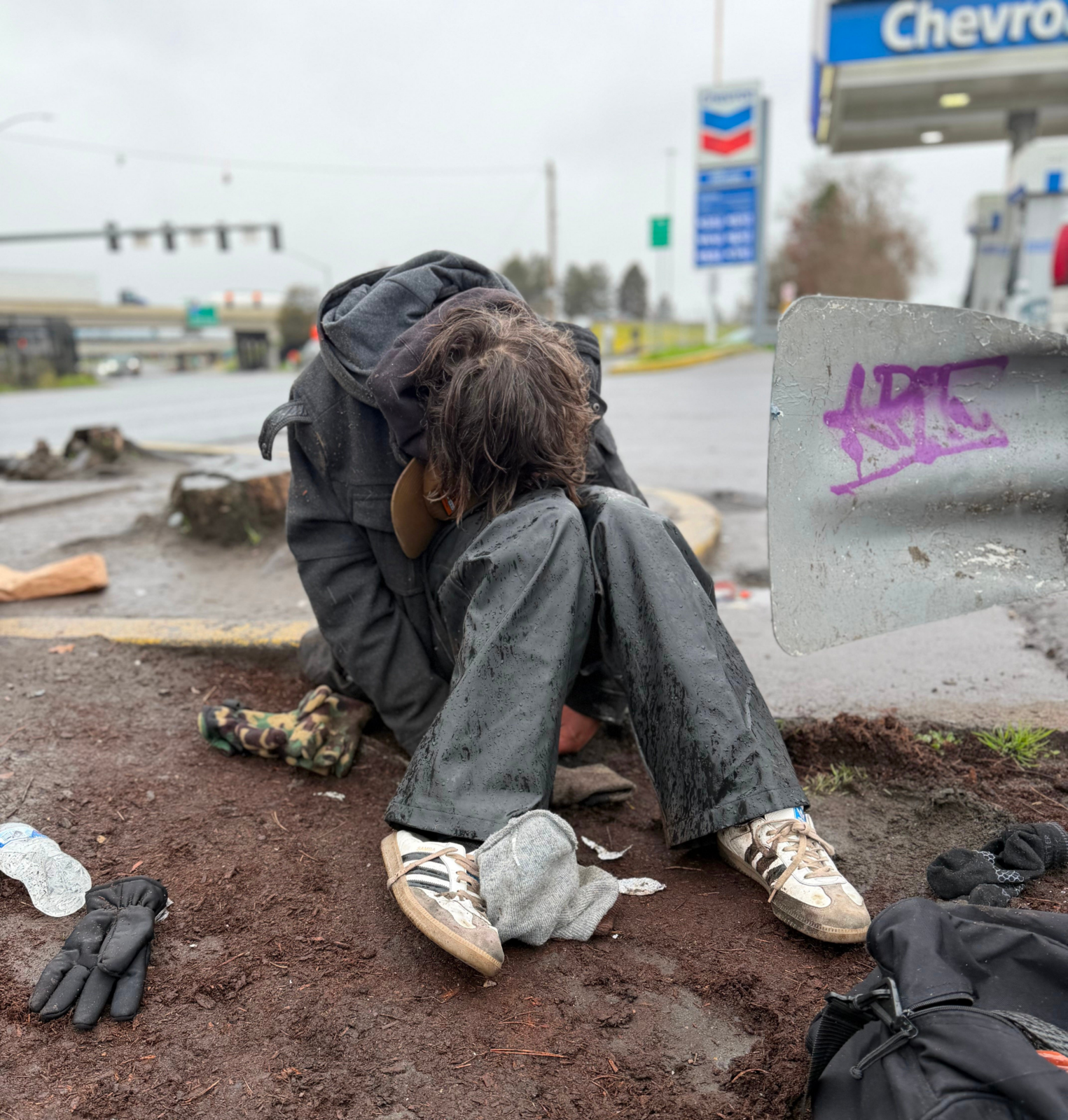
One of the hardest truths is that housing alone does not stabilize people who are deeply addicted, severely mentally ill, or both. I have watched housing placements fail because we insisted on treating housing as the solution rather than the setting in which recovery might occur. For people actively using fentanyl, methamphetamine, or alcohol at life-threatening levels, housing without treatment can become a slower form of self-destruction. When it collapses, we try again and call it trauma-informed care, quietly accepting failure as inevitable.
Real solutions begin with recovery, not as a moral requirement, but as a practical one. A person cannot stabilize while in the grip of serious addiction. No amount of case management, harm-reduction supplies, or wellness check-ins can substitute for sobriety when the brain itself is hijacked. Cities like Portland and Seattle know this, yet continue to build models that treat recovery as optional. We call this compassion, but too often it looks like abandonment.
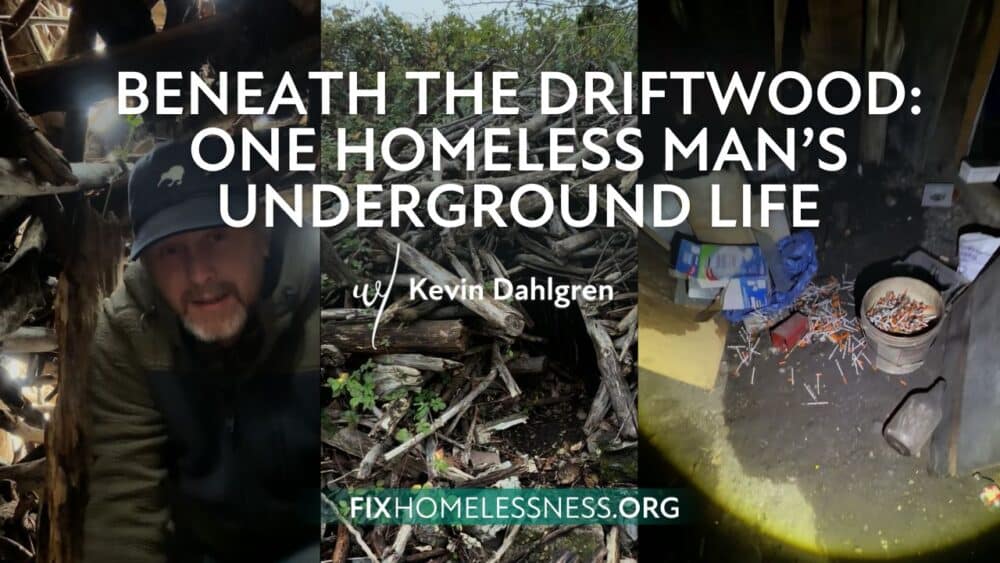
A homeless man has burrowed himself beneath thousands of pieces of driftwood and built what can only be described as an apartment. I went inside and looked around. There are two bedrooms, one still under construction, framed by uneven piles of driftwood and debris. Two small windows let in slivers of natural light through the gaps, barely illuminating the space. Shadows crawl across the walls and floor, giving the room a claustrophobic, almost surreal quality. The living area is chaotic, more workshop than home. Boards, nails, and hand tools are scattered across the dirt floor, evidence of ongoing construction and repair. Among the clutter, hundreds of used needles glint dangerously in the dim light. The smell of damp wood and Read More ›
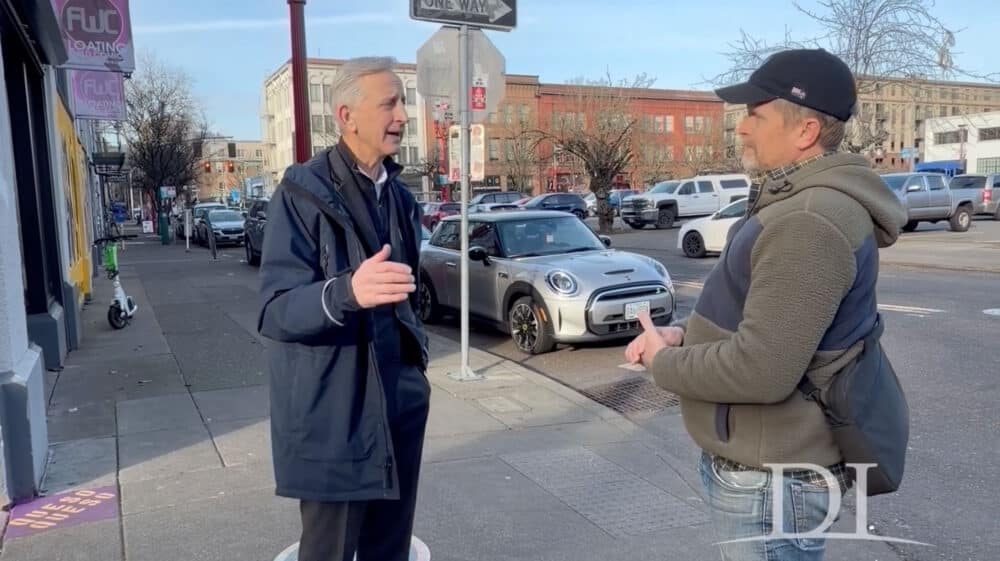
I interviewed Portland Mayor Keith Wilson on the streets of Portland about the state of the city and its response to homelessness. I asked whether his administration requires measurable outcomes from the homeless service providers it funds. In response, Mayor Wilson pointed to his new policy of ending the distribution of tents, arguing that tents do not help people exit homelessness and are not life-saving care. He cited the heightened danger faced by vulnerable women living outside, noting that women experiencing homelessness face roughly a 40% chance of being assaulted. I followed up by asking whether there are consequences for providers who fail to meet expectations or move people off the streets. Mayor Wilson said the providers are aligned with Read More ›
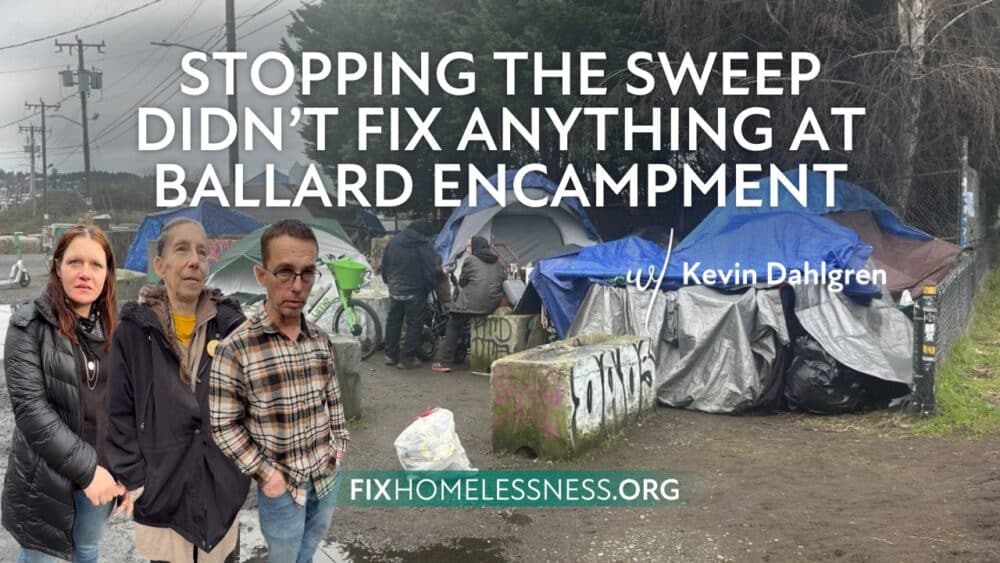
I went to the Ballard homeless encampment that has been dominating Seattle headlines, and what I found there was not clarity or compassion colliding with cruelty, but a system quietly failing almost everyone involved. Business owners and nearby residents are frustrated and exhausted. They’ve watched the encampment grow while public spaces deteriorate and safety concerns mount. On the other side, homeless advocates are fiercely defending the right of people to remain where they are, arguing that sweeps only deepen trauma and solve nothing. Caught in the middle is a city trying to signal change under new leadership, while offering very little evidence that real change is actually happening. This encampment was scheduled to be swept, but Mayor Katie Wilson halted Read More ›