Fix Homelessness How to rebuild human lives
Topic

drug addiction

new-york-usa-may-10-2020-a-homeless-man-sitting-on-the-stree-351987343-stockpack-adobestock
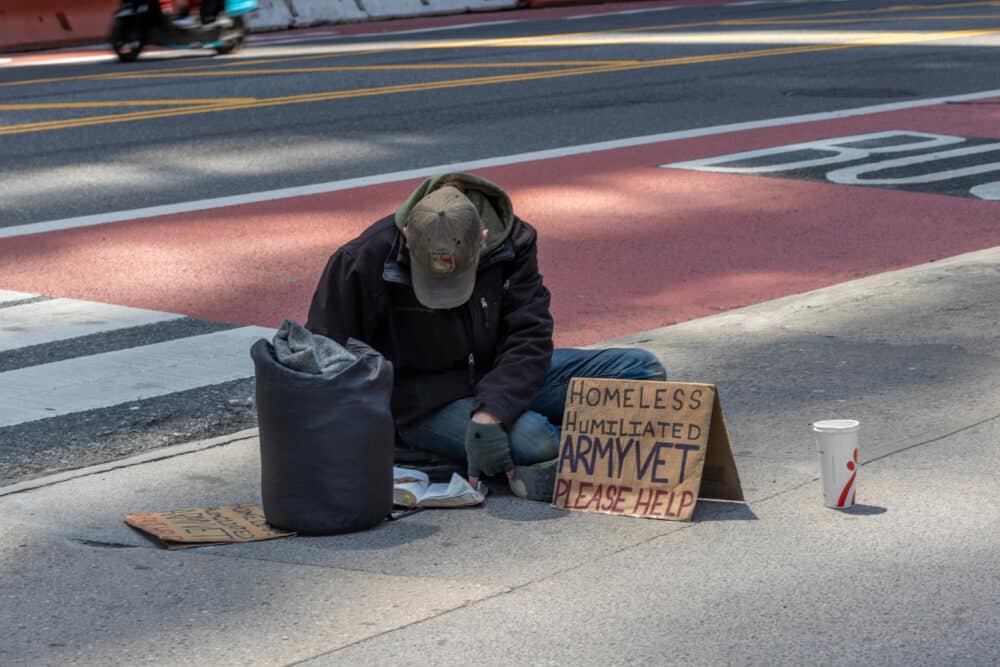
New York, USA - MAY 10, 2020: A homeless man sitting on the street asking for help
Image Credit: MISHELLA - Adobe Stock

Housing Doesn’t Solve Homelessness

California Governor Gavin Newsom regularly repeats his mantra: “Shelter solves sleep; housing solves homelessness.” Hmm. From 2022 to 2025, I wrote weekly columns about homelessness and gained insight by living for three weeks in shelters. Based on that I can say: In general, it is not true that housing solves homelessness.

Maybe it solves homelessness for people who are not addicts, alcoholics, mentally ill, or victims of abusive childhoods, but most homeless people are in one or more of those four categories. Maybe housing solves homelessness if the rest of us don’t like to see homeless people: Get them out of sight and they can be out of mind.

Invisibility benefits those who have homes. Unseen homeless folks don’t ask us for money, so we are free from giving what often goes to buy drugs or alcohol, or from not giving and feeling heartless. But for those who are out of their minds for various reasons, housing does not solve homelessness.

Augustine 1,600 years ago famously said regarding God, “Our hearts are restless until they rest in you.” The earthbound equivalent is “Our bodies are restless until they reside in a home.” For many, though, walls and a roof alone do not make a home.

Instead, hiding away addicts or alcoholics inside an apartment leaves many apart from everything except a needle or a bottle. Hiding away the severely mentally ill leaves them apart from everything except walking nightmares. People who are desperately ill need to be together with someone who can offer compassionate help.

That’s one reason a chart used at the Orange County Rescue Mission (OCRM) in Tustin, California, impressed me. It’s one of the places I lived at for a few days in 2023 and in January 2026 to gain some street-level understanding of these issues. Instead of using one marker to assess progress in coming out of homelessness—a signed apartment lease, say—OCRM evaluates a more holistic list of ten, including: “spiritual … sobriety/substance abuse (if applicable) … mental health … shelter/housing … social/family relationships … income and employment … physical health, food, and nutrition.” (This quotation and those that follow are from the OCRM “Outcome Assessments,” and I’ve seen that actions back up those words.)

Read More ›

3e217315-7fe8-4097-9c52-eb89b4ab6b4c4284x4495-Kevin-Dahlgre

Homeless, Incorporated

After decades of working inside homelessness services, I’ve learned that the greatest lie we tell ourselves is that we don’t know what works. We do. The problem isn’t a lack of data, innovation, or funding. The problem is that real solutions require decisions we are unwilling to make and truths we are afraid to say out loud.

It is easier to expand systems than to fix them. Easier to signal compassion than to practice it in ways that are uncomfortable. Easier to manage homelessness than to end it.

Most people assume homelessness persists because it is too complex to solve. In reality, it persists because solving it would disrupt an entire industry built around its permanence. Over time, the system stopped being accountable to outcomes and became accountable to itself. Programs are judged by how many people they touch, not how many people leave the streets. Success is defined by engagement, not transformation. In this environment, homelessness is no longer a crisis to be resolved, but a condition to be administered.

My brother Jason, who is formerly homeless, giving hope to current homeless

One of the hardest truths is that housing alone does not stabilize people who are deeply addicted, severely mentally ill, or both. I have watched housing placements fail because we insisted on treating housing as the solution rather than the setting in which recovery might occur. For people actively using fentanyl, methamphetamine, or alcohol at life-threatening levels, housing without treatment can become a slower form of self-destruction. When it collapses, we try again and call it trauma-informed care, quietly accepting failure as inevitable.

Real solutions begin with recovery, not as a moral requirement, but as a practical one. A person cannot stabilize while in the grip of serious addiction. No amount of case management, harm-reduction supplies, or wellness check-ins can substitute for sobriety when the brain itself is hijacked. Cities like Portland and Seattle know this, yet continue to build models that treat recovery as optional. We call this compassion, but too often it looks like abandonment.

Read More ›
Lake-City-addiction-homelessness

Lake City Residents Call on Mayor to Confront Addiction Crisis

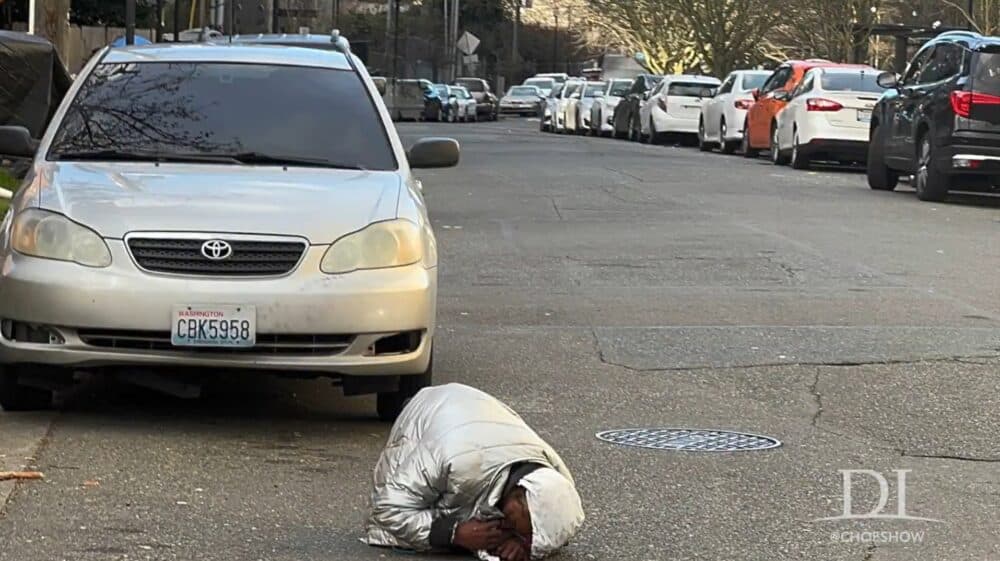
Drug-Fueled Chaos Lake City neighbors are blasting socialist Seattle Mayor Katie Wilson after her first State of the City address. They say she failed to offer solutions to combat the fentanyl epidemic destroying lives on the streets. People living on 33rd Ave NE say their hood is an absolute disaster zone and looks like a scene out of a zombie movie. Addicts are laid out on the road, kids play in a needle infested park, and drug encampments are spreading on to sidewalks. One brave resident shot this video today from his car to prove how bad it is right now. He’s challenging Mayor Wilson to show up and see the drug-fueled chaos and human suffering for herself. This community Read More ›

homeless-man-in-tent

New Seattle Mayor Continues to Pursue Failed Homeless Policies

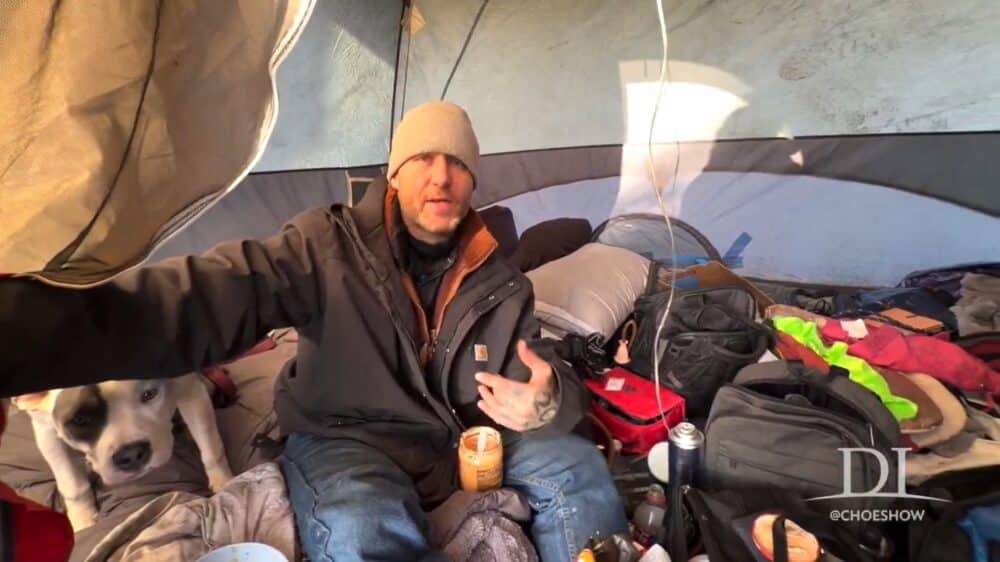
Making the Problem Worse The homeless drug crisis is out of control in Seattle. And it’s now evident Mayor Katie Wilson is going to make the problem worse. During her first State of the City address, she talked about building more housing and shelter. But no solutions to deal with mental illness or drug addiction ravaging the city. Sweep, Sweep, Sweep Aside from changing some policy language, she is pretty much doing the same thing as the last mayor of Seattle. Sweep, sweep, sweep. And the game of Whack-A-Mole continues. Same Old Same Old Wilson’s spokesperson recently told the Seattle Times that, “the mayor isn’t pursuing a significant shift in encampment clearing strategies from the previous administration.” Ignoring the Service Read More ›

man-on-drugs-at-bus-stop

Mayor Wilson Doubles Down on Housing First, Ignores the Service Resistant

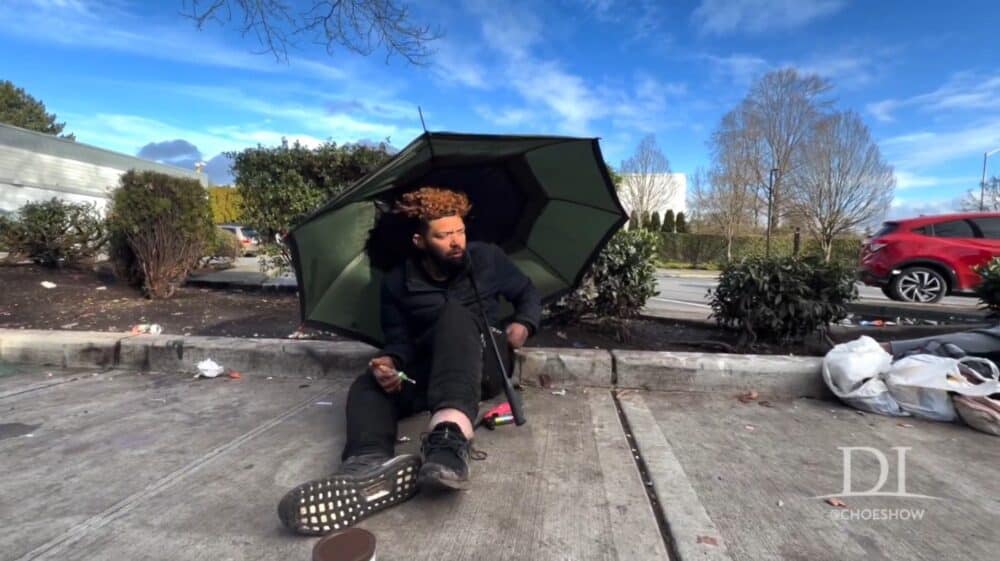
Repeating Mistakes During Tuesday’s State of the City address, Seattle Mayor Katie Wilson will say she is building more affordable housing to address the city’s homeless crisis. But she’s doubling down on the same “Housing First” policies that have failed this region for more than a decade and it won’t work. Not until she figures out how to deal with the “service resistant” class of people living on the streets. These are the men and women who are heavily addicted to drugs and refuse all shelter and treatment services currently available. Just drive down Rainier Ave S and you will find them everywhere. All the encampment sweeps under her watch have forced many people to move to this part of Read More ›

Untitled-design-6

Marsha Michaelis Talks Homelessness on The Earthvox Podcast

Marsha Michaelis appeared on The Earthvox Podcast with Ryan Keogan. After discussing Michaelis’ journey from the Evergreen Freedom Foundation to homeschooling to her current position at Discovery Institute’s Fix Homelessness initiative, they then discuss her recent article exploring the kinds of solutions society could offer a family in acute distress, homelessness, and drug addiction. The conversation continues with problems with the Housing First approach to homelessness, how the Trump administration is addressing homelessness, the nature of compassion, and more.

Ballard-encampment

New Seattle Mayor Cancels First Major Encampment Sweep

Canceled Seattle Mayor Katie Wilson abruptly canceled the first major encampment sweep of the year. It was scheduled for Wednesday morning in Ballard. Neighbors are furious and some in the outreach community are questioning this decision. But Wilson’s risky call could be a long-term blessing in disguise. Other Sweeps Continue Wilson’s spokesperson sent me a statement saying this is a one-off and that the mayor “believes a better resolution is possible at that location.” We are still waiting on those details. Meanwhile other encampment sweeps are still happening across the city. Blessing in Disguise? As for how this could be a blessing in disguise, Mayor Wilson could set a new precedent by personally going to this encampment and meeting the Read More ›

Screenshot-2025-12-17-135506

HUD Secretary: We Must “Treat the Root Cause,” Not Just House the Homeless

Tackling the Root Causes HUD Secretary Scott Turner takes direct aim at America’s “homeless industrial complex” and says the the days of “warehousing people” are over. The Trump administration is reallocating federal dollars to tackle the root causes of homelessness like drug addiction and mental illness. This plan could cripple so called Housing First programs that do not require people to find jobs or enter drug treatment. Many of these understaffed facilities under Housing First also trigger the most 911 calls in cities, allow drug use behind closed doors, and attract an inordinate amount of crime to neighborhoods. California and WA are ranked in the top three for overall homelessness in the nation. But elected officials in these states are Read More ›

Jonathan-Choe-Images-1

Community Members Step Up to Stop Drug Addiction Thefts at Bellevue QFC

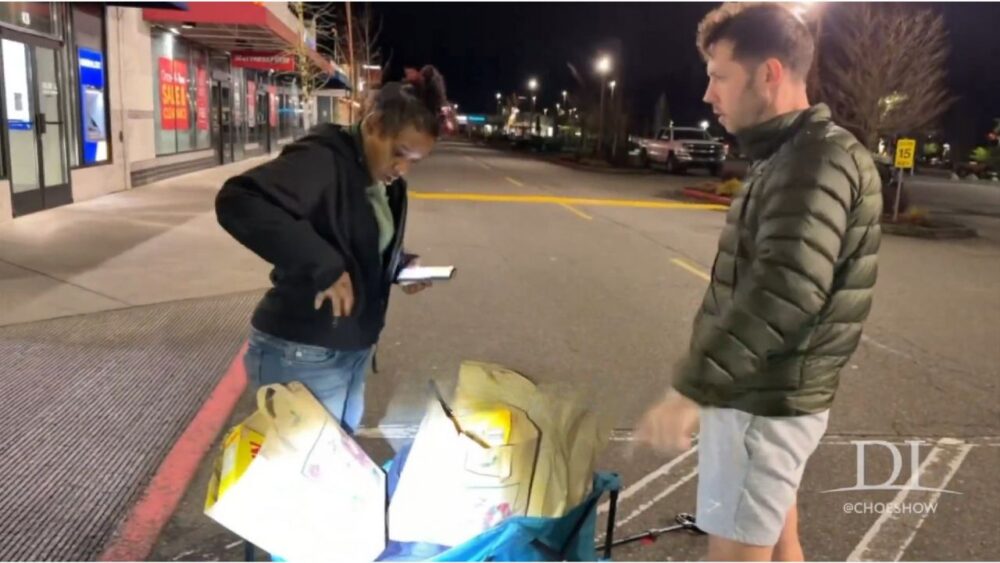
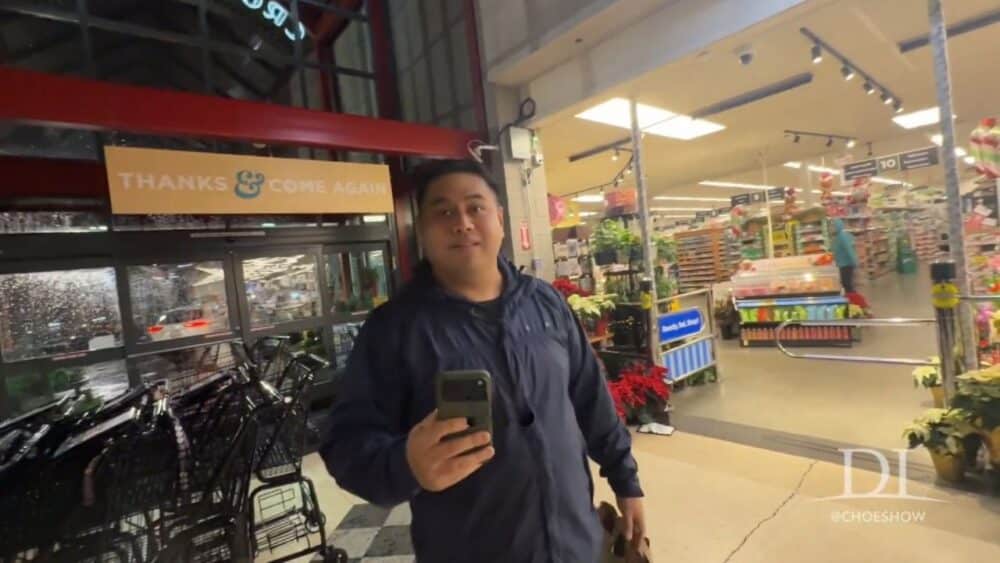
Under Siege Bellevue is under siege. A steady flow of criminals from outside the city are targeting local stores. In many instances homeless drug addicts get around using the bus, ransack businesses, then sell the items for pennies on the dollar in Seattle to purchase fentanyl. This has been going on for years. But community watch members now say it’s getting worse. Here is one of several incidents Monday evening at the QFC grocery store in the Crossroads neighborhood. Good Samaritans stepped in and forced an alleged crook to return stolen items. After being confronted, this Black woman kept saying, “I’m a n*gger. I’m a n*igger.” Some may call this vigilante justice. But there is limited security and not enough Read More ›

Untitled-design-3

Bellevue Citizens Tired of Supermarket Thefts, Step in Themselves to Deter Crime

Taking Matters into Their Own Hands Bellevue resident Quintin Chi and concerned neighbors have started a community watch at local grocery stores in the city. They say places like Walgreens, Fred Meyer, and QFC supermarkets are being ransacked every night by homeless drug addicts. Chi says the crooks then board a bus to Seattle and sell the stolen items at the notorious 12th Ave & Jackson St. drug den in Chinatown-ID. While store workers commend these good samaritans, Chi says he’s frustrated because Bellevue PD calls them vigilantes and recently advised them not to get involved in criminal apprehensions.